
Scenic Drives Planning Checklist
📖 Table of Contents
I remember the first time I took a scenic drive along the Pacific Coast Highway — the way the sun dipped into the ocean at sunset, casting a golden glow over the cliffs and waves, made me realize how little I knew about planning a truly immersive journey. It wasn’t just about the views; it was about the rhythm of the road, the unexpected detours, and the moments that only happen when you’re not rushing to a destination. A scenic drives planning checklist is more than a list of things to do — it’s a roadmap to creating a trip that feels like a story you’ll want to revisit again and again.
For years, I’ve been compiling a personal checklist for every trip. The most rewarding ones were the ones where I focused on the details — the right times to travel, the best stops to make, and the quiet moments that often get overlooked. Planning a scenic drive isn’t just about picking a route and driving; it’s about choosing the right season, understanding the local culture, and ensuring that every mile traveled feels purposeful. That’s why I’ve created this scenic drives planning checklist, designed to help you make the most of your journey, no matter where it takes you.
This checklist is grounded in real experience — from the time I spent driving through the Swiss Alps with a group of friends, where we missed the best viewpoint because we didn’t plan ahead, to the time I took a solo drive through New Zealand’s South Island and found a hidden waterfall that was only accessible by foot. These moments taught me that preparation is key, and that with the right planning, even the most unexpected discoveries can become the highlights of your trip. This article is for anyone who wants to plan a scenic drive that feels both seamless and unforgettable.
Why You'll Love This Scenic Drives Planning Checklist
- Avoid common pitfalls like poor timing or missing hidden gems.
- Create a trip that feels curated and meaningful, not rushed.
- Discover the best times to visit, must-see stops, and off-the-beaten-path locations.
- Save time and money by planning ahead, not winging it.
Choosing the Right Season
As of August 2026, the best time to take a scenic drive often depends on the location, but spring is a universal favorite. It’s when the flowers are in full bloom, the weather is temperate, and the roads are less crowded. In regions like the Pacific Northwest, spring means wildflowers carpeting the hillsides, while in the Swiss Alps, it’s the thaw that makes higher elevation routes passable again. I once planned a drive in October and found myself stuck in a rainstorm that turned a peaceful journey into a struggle — don’t make that mistake.
I’ve found that summer brings its own perks, especially in places like the American Southwest, where the desert is in full color and the sun sets at a perfect angle for photography. However, summer can also bring sweltering heat and overcrowded highways, so it’s worth checking the average temperatures and traffic patterns in your chosen region before you go. Fall is ideal for foliage lovers, but it can be unpredictable — one year I missed the peak colors in Vermont by just a week.
The key is to research the local climate, peak seasons, and any special events that might affect your journey. For example, some roads in New Zealand are closed during winter for safety reasons, and some scenic routes are better suited for spring or early summer. Once you’ve got a season in mind, you can start building the rest of your plan around it.[1]
Check the average temperatures and weather patterns for your destination before booking. Spring is often the sweet spot, but it’s not always the right season for every location.
Part of our Scenic drives budget planning guide.
Mapping Out Your Route
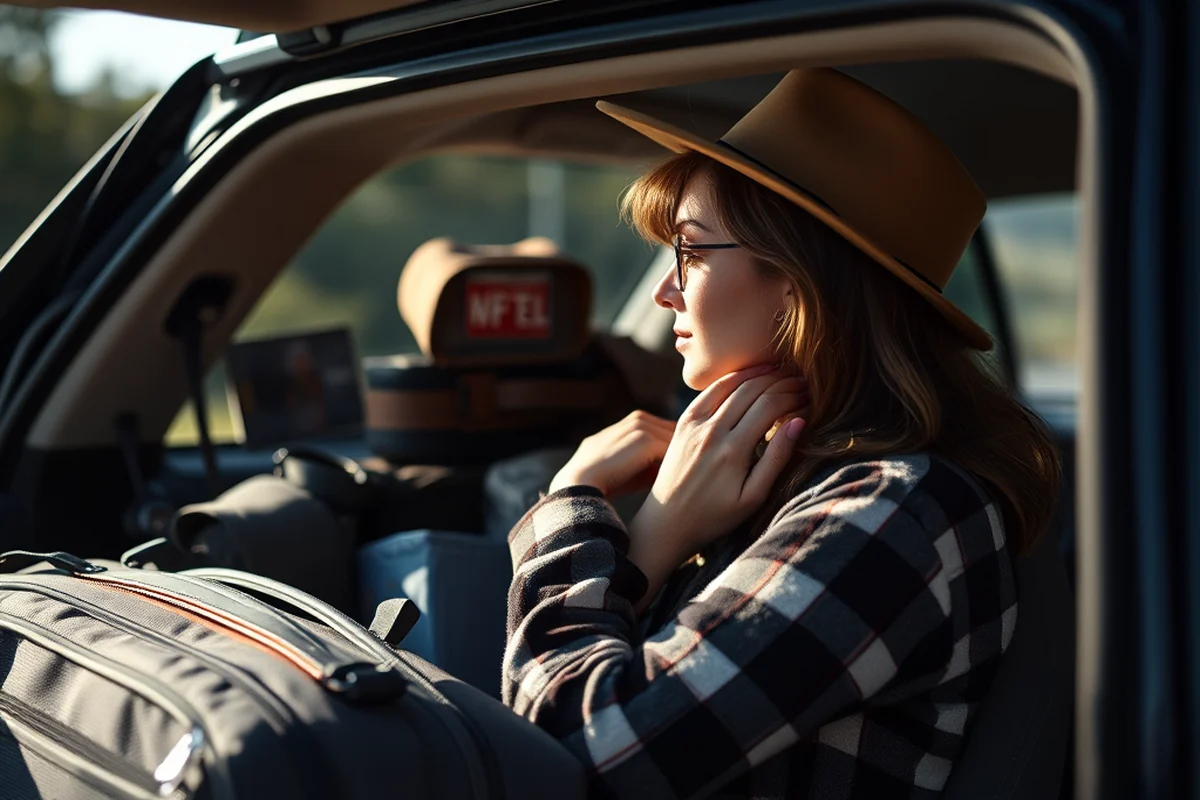
Mapping your route is more than just plotting points on a map — it’s about understanding the flow of the journey. I’ve learned the hard way that trying to hit too many stops in one day can lead to exhaustion and missed opportunities. Instead, I like to break my drive into manageable segments, each with a couple of key stops. That way, I can take in the scenery without feeling rushed.
Use a tool like Google Maps or a specialized travel app to plan your stops, but don’t rely solely on digital maps. I always carry a physical map in my car, just in case the GPS fails or I need to navigate without internet. It’s also a good idea to mark the driving times between stops so you know how long it’ll take to get from point A to point B. For example, on my last trip through the Swiss Alps, I mapped out each stop with exact driving times — and that helped me avoid getting stuck in unexpected delays.
Another tip I’ve picked up is to look for roads that offer a variety of landscapes. Don’t just go for the most scenic route — consider the rhythm of the drive. I once took a winding coastal road that was beautiful, but it had so many sharp turns and narrow lanes that I felt nervous the whole time. The next time I planned a drive, I chose a route that was scenic but also smooth and easy to navigate — a much better experience.
A mapped route isn’t just about where you go — it’s about how you feel while you’re there.
Related: Diy scenic drives budget
Related: Scenic drives budget planning checklist
Related: Budget scenic drives planning
Related: Scenic Drives Gear Checklist
Related: How to scenic drives budget planning
Selecting the Perfect Stops
The stops you choose can make or break your scenic drive. I’ve had trips where I picked the most popular viewpoints and left feeling underwhelmed, and others where I stumbled upon hidden gems that I’ll remember forever. The key is to balance between the must-see spots and the lesser-known ones that offer a unique perspective.
I usually start by researching the top-rated stops for the area, but I also look for recommendations from locals or travelers who’ve been there before. I once found a hidden waterfall in New Zealand by following a local’s tip, and it was absolutely worth the detour. Another tip is to prioritize stops that offer variety — a mix of natural beauty, cultural sites, and local experiences can make your drive more engaging.
I also consider the time of day when visiting each stop. Some spots are best seen at sunrise, others at sunset. I once missed the best viewpoint on a drive through the Grand Canyon because I arrived too late — the sun had already set. Now, I always plan my stops around the golden hours to ensure I get the best views.
Don’t just go for the most popular spots — explore the local recommendations and hidden gems that offer a more unique experience.
“I remember the first time I took a scenic drive along the Pacific Coast Highway — the way the sun dipped into the ocean at…”— Prettyroads editors
Packing for the Road
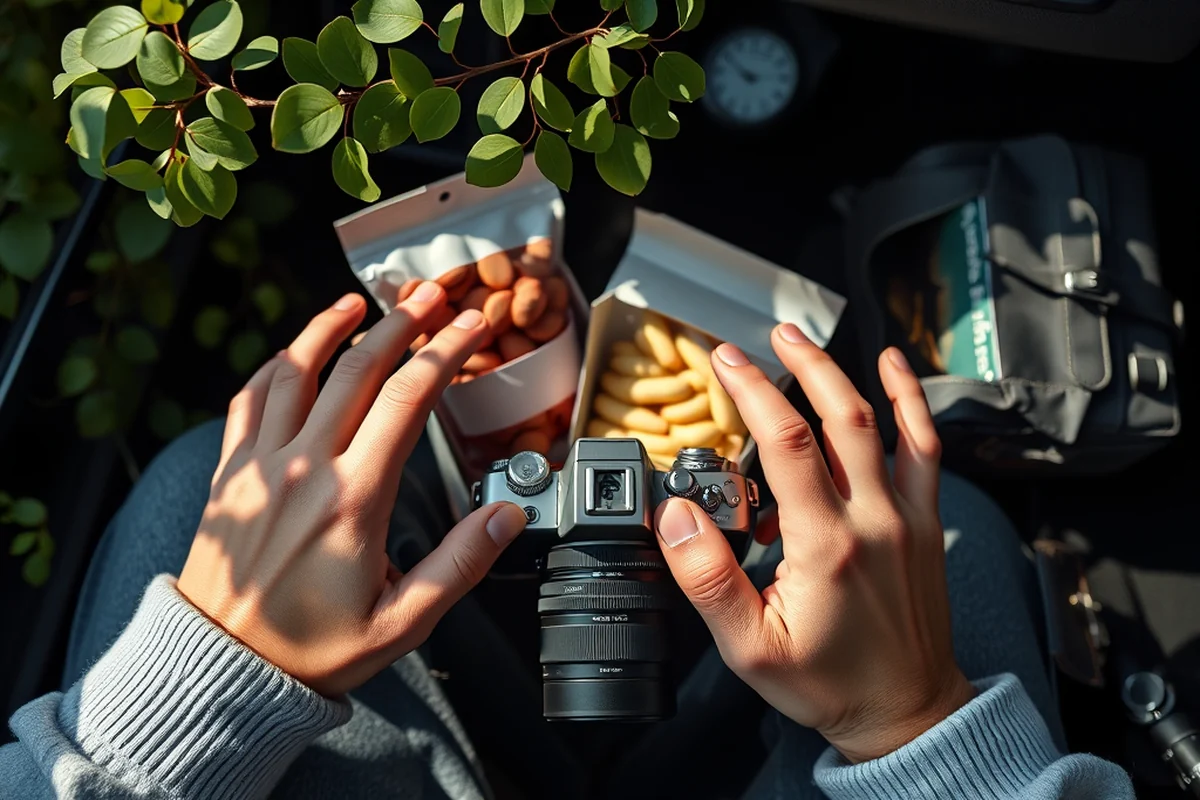
Packing for a scenic drive is different from packing for a city trip — you need to be prepared for the elements, whether it’s a sudden rainstorm or a long stretch of road with no services nearby. I always pack a first-aid kit, a flashlight, and extra water — even if I’m not planning on hiking, it’s better to be safe than sorry. I once got stranded on a remote road in the Australian outback because I forgot to bring enough water, and it was a humbling experience.
Clothing is another important consideration. I always pack layers, even if I think it’ll be warm — the weather can change quickly on the road. I once drove through the Swiss Alps during the day and thought it was going to be a pleasant experience. By the time I got to the highest point, the temperature had dropped by 20 degrees, and I was unprepared. Now, I always pack a lightweight jacket and a waterproof layer, just in case.
I also make sure to bring items that keep me entertained during long drives, like a good book, a puzzle, or a playlist of my favorite songs. It’s easy to get bored on the road, especially if you’re driving for several hours at a time. I’ve found that having a few things to keep me occupied can make a big difference in the overall enjoyment of the trip.
Making the Most of the Journey
One of the best things about a scenic drive is that it gives you time to slow down and appreciate the world around you. I’ve learned that it’s important to leave room for spontaneity — sometimes the best experiences come from unexpected detours. I once took a wrong turn on a drive through the Pacific Northwest and ended up discovering a small coastal village that I wouldn’t have otherwise visited. It turned out to be one of the highlights of the trip.
I also find that taking breaks is essential — even if you have a full itinerary, it’s important to pace yourself. I once tried to hit every stop in one day and ended up feeling exhausted and missing the true beauty of the drive. Now, I make sure to schedule in time for rest, meals, and even a short walk at each stop. It makes a big difference in how much you can take in.
Lastly, I always make an effort to connect with the places I visit. Whether it’s by talking to locals, visiting a small café, or simply taking a few minutes to sit and watch the world pass by, these moments can be some of the most meaningful on the trip. A scenic drive isn’t just about the views — it’s about the experiences that make the journey feel real and lasting.
💰 Budget Adventure
A scenic drive on a budget — focusing on free stops, local eateries, and affordable accommodations.
🚗 Long Weekend Getaway
A quick, well-planned scenic drive perfect for a short break from daily life.
👨👩👧👦 With Kids
A scenic drive tailored to families, with kid-friendly stops and activities.
❄️ Off-Season Escape
A scenic drive in the off-season — fewer crowds, lower prices, and unique experiences.
💎 Luxury Road Trip
A scenic drive with all the comforts — luxury accommodations, gourmet meals, and private guides.
| The mistake | Why it happens | The fix |
|---|---|---|
| Trying to hit too many stops in one day | Overloading your itinerary can lead to exhaustion, missed experiences, and a less enjoyable drive. | Break your drive into manageable segments with a couple of stops per day to allow for rest and proper appreciation of the scenery. |
| Forgetting to pack essentials | Not having the right items can make the journey uncomfortable or even unsafe, especially if you’re on a remote route. | Always pack a first-aid kit, extra water, layers of clothing, and entertainment to make the journey more comfortable. |
| Ignoring local recommendations | Missing out on hidden gems and unique experiences can leave your trip feeling generic and unmemorable. | Look for local recommendations or travel blogs that highlight the best stops and experiences in your chosen area. |
Scenic Drives Planning Checklist
Common Questions
What should I do if I get lost on the road?
How can I ensure I don’t miss any key stops on my route?
What if I don’t have a car — can I still take a scenic drive?
How do I know which season is best for my chosen scenic drive?
References
Cite this guide
Prettyroads (2026). Scenic Drives Planning Checklist. https://prettyroads.com/scenic-drives-planning-checklist/
Feel free to cite or share this guide.