
Scenic Drives Stops Tips
📖 Table of Contents
There’s something about the rhythm of a scenic drive that turns a simple journey into an unforgettable adventure. I remember the first time I took a road trip through the Blue Ridge Parkway — the way the mist clung to the trees, the sudden burst of wildflowers along the shoulder. The way the sun caught the mountains just right at 10 a.m. It wasn’t just about the destination; it was the stops along the way that made the trip feel like a story being written in real time. That’s what this article is all about: scenic drives stops tips that help you transform a road trip into a curated, immersive experience.[1]
The key to any successful scenic drive isn’t just about picking a route — it’s about knowing where to pause, how long to stay, and what to look for at each stop. I’ve spent years testing different roads, from the Pacific Coast Highway to the backroads of Tuscany. I’ve learned that the most memorable stops are the ones that feel like hidden gems rather than tourist traps. Whether you’re looking for a quick photo stop or an entire day of exploration, these tips will help you find the perfect balance between sightseeing and momentum.
If you’re like me, you’ve probably found yourself frustrated by the same old road trip clichés — overcrowded viewpoints, poorly timed stops. A lack of real insight into the places you’re passing through. That’s why I’ve compiled this guide with a focus on scenic drives stops tips that are practical, tested, and actionable. From timing your visits to using local maps, these insights will help you make the most of every mile and every stop you take on your journey.
Why You'll Love This Scenic Drive Experience
- Discover hidden trails and viewpoints that are off the beaten path
- Save time and money by avoiding crowded spots and overpriced attractions
- Immerse yourself in the local culture and environment with informed choices
- Create a personalized itinerary that fits your travel style and pace
Picking the Right Time to Pause
As of October 2026, the golden hour — the first hour after sunrise and the last hour before sunset — is the most magical time for photography and sightseeing. I’ve found that these times can be especially transformative on mountain roads, where the light changes the entire feel of the landscape. For example, on a recent trip along the Cumbres & Toltec Scenic Railroad route, the view of the San Juan Mountains at sunrise was so different from the same spot at midday that it felt like two entirely separate places.
However, golden hour isn’t always the best for driving, especially on narrow or winding roads. I recommend planning to arrive at major stops 30 minutes before the golden hour to give yourself time to park and explore. This way, you can enjoy the full light without rushing. On one occasion, I arrived too late at a viewpoint along Highway 1 in California, and missed the best light entirely — a frustrating mistake I’ve learned to avoid.[2]
If you're visiting a destination in the summer, consider visiting early in the morning or late in the evening to avoid crowds. I once visited a popular overlook in the Grand Canyon during the peak afternoon hours and found it nearly impossible to take a photo without people in the frame. Arriving an hour earlier made a world of difference.
Plan to arrive at scenic spots 30 minutes before golden hour and stay until the light begins to fade. This gives you the full range of natural lighting and minimizes crowds.[3]
Part of our Scenic drives food stops guide.
Finding Hidden Stops Along the Way
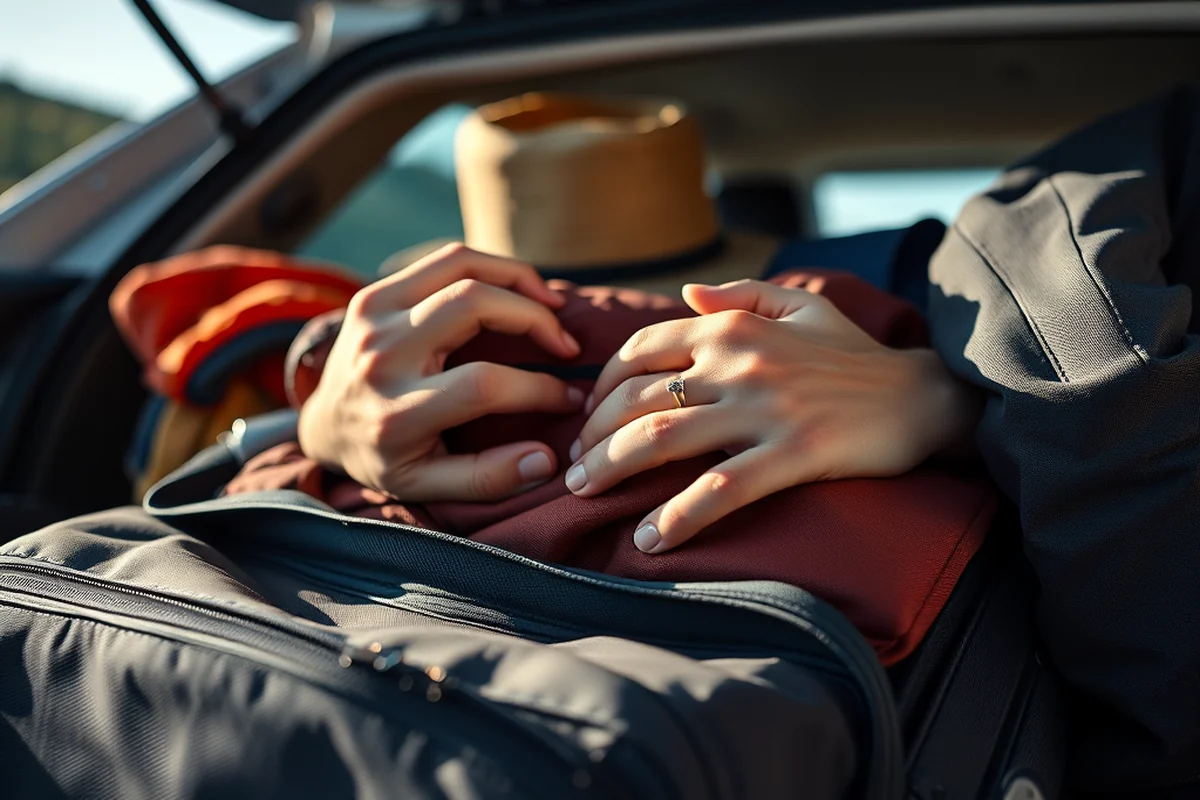
Sometimes the most beautiful spots are the ones that aren’t in guidebooks. I’ve discovered some of my favorite stops by asking locals, like a diner owner in a small town near the Blue Ridge Parkway who pointed me to a hidden overlook with an unobstructed view of the valley below. These stops often come with a story, like the one I found in Oregon — a family-owned farm that hosts visitors at sunrise for a quiet moment of reflection and a stunning view of the coast.
Another way to find hidden gems is to look for off-road trails that lead to viewpoints. I’ve used local hiking maps and even asked rangers for recommendations, which led me to a lesser-known trail in the Smoky Mountains that offered a panoramic view of the surrounding forest. These stops often feel more personal and less crowded than the popular ones.
You can also use apps like AllTrails or Google Maps to find underrated stops. I once used AllTrails to find a small, grassy hilltop that overlooked a river — a perfect spot for a picnic and a photo session. It was completely empty at the time, which made the experience even more special.
The most beautiful stops aren’t always the most popular ones.
Related: How to scenic drives food
Related: Minimalist Scenic Drives Tips
Maximizing Time at Each Stop
I’ve learned that a good rule of thumb is to allocate 20-30 minutes per stop, depending on how far you are from the next one. On a recent trip through the Swiss Alps, I found that stopping for 20 minutes at each viewpoint was enough time to take photos, enjoy the view, and move on without feeling rushed. This way, I was able to cover six different stops in one day without getting overwhelmed.[4]
If you're at a stop that offers walking trails or a short hike, plan to use that time to explore. I once took a 15-minute walk at a coastal cliff in Maine and found a hidden cove that wasn’t marked on any map — it was an unexpected but rewarding discovery. Even a short walk can lead to a more immersive experience.
Don’t forget to check the distance to the next stop — if it’s far, you might want to spend more time. I once miscalculated and rushed through a stop that was just 10 minutes away, only to find myself in a hurry again. A better approach is to check the driving time between stops and adjust your time accordingly.
Use a phone timer to allocate 20-30 minutes per stop, and don’t be afraid to move on when the time’s up. This helps you cover more ground and avoid feeling stuck.
“There’s something about the rhythm of a scenic drive that turns a simple journey into an unforgettable adventure.”— Prettyroads editors
Related: Scenic drives food on a budget
Using Local Resources for Better Stops
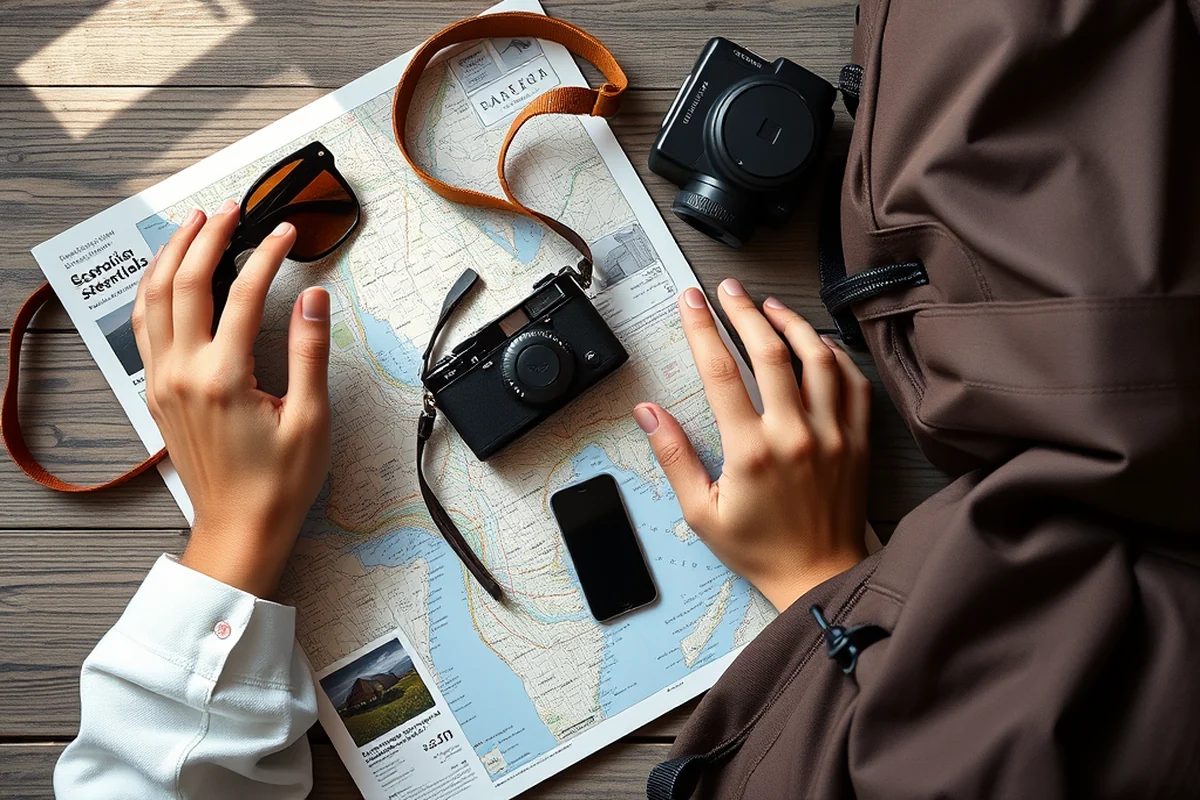
One of the best ways to find scenic drive stops is to talk to the people who live there. I’ve found that local cafes, gas stations, and even farmers market vendors often know of hidden gems that aren’t on any tourist map. For example, a gas station attendant in Colorado once told me about a nearby trail that led to a spectacular view of the Rockies — a spot that I would have never found on my own.
Another way to get local insight is to use social media platforms like Instagram or Facebook. I’ve followed local travel accounts and joined Facebook groups for specific regions, which have given me access to real-time updates on the best places to stop. For example, a local Instagrammer once shared a photo of a viewpoint that wasn’t on any map — and the next day, I found myself there with the same view.
If you’re traveling in a region with a strong local culture, consider booking a tour or a guide service. I once booked a short hike with a local guide in the Scottish Highlands. They took me to a spot that wasn’t accessible by car — a hidden valley that offered a panoramic view of the surrounding mountains. This kind of access is hard to find without local help.
Related: Scenic drives food stops for small spaces
Choosing the Right Route for Your Travel Style
If you're a fan of coastal drives, the Pacific Coast Highway in California or the Road to Hana in Hawaii are must-see routes. I've found that these routes offer a mix of dramatic ocean views, hidden beaches, and winding roads that make every stop feel like a new adventure. For example, on a recent trip to the Big Island of Hawaii, I found a small cove that was only accessible by a narrow, unpaved road — a spot that felt like a secret shared only with those who knew where to look.
If you're more of a mountain lover, the Blue Ridge Parkway or the Swiss Alps in Europe are ideal choices. These routes offer a mix of high-altitude views, forested trails, and quiet spots that are perfect for reflection. I once spent an entire afternoon at a trail in the Swiss Alps that led to a hidden valley — the kind of place where you feel like you're the only person in the world.
For those who prefer a more rustic experience, backroads in countries like Japan or Tuscany can offer a unique and immersive journey. I once took a drive through the backroads of Tuscany and found a small village that was completely untouched by tourism — a place where the only sound was the wind in the olive trees and the occasional call of a passing bird.
💰 Budget Road Trip
A scenic drive with a focus on cost-effective routes and affordable stops, perfect for those traveling on a tight budget.
🚗 Long Weekend Escape
A quick, immersive trip designed for three to four days, with a balance of scenic stops and enough time to explore.
👨👩👧👦 With Kids
A scenic drive tailored for families, with stops that are kid-friendly and engaging for all ages.
🍂 Off-Season Adventure
A scenic drive during the shoulder season, when crowds are fewer and prices are lower.
💎 Luxury Getaway
A scenic drive with a focus on high-end experiences, from boutique hotels to private tour guides.
| The mistake | Why it happens | The fix |
|---|---|---|
| Arriving at a scenic stop too late in the day | This can result in missing the best lighting and finding the spot overcrowded with other visitors. | Plan to arrive at least 30 minutes before the golden hour to ensure you get the best view and avoid crowds. |
| Not checking the distance to the next stop | This can lead to rushing through a stop and missing out on a meaningful experience. | Check the driving time between stops and adjust your time accordingly. If a stop is far, consider spending more time there. |
| Overlooking local recommendations | This can lead to missing out on hidden gems that are known only to locals. | Talk to locals, use social media groups, and ask for recommendations — these often lead to the best stops. |
| Not preparing for weather changes | Unexpected rain or wind can ruin a scenic experience and make driving dangerous. | Check the weather forecast before your trip and bring appropriate clothing and gear. I’ve found that a light rain jacket can be a lifesaver on a sudden downpour. |
Related: Best scenic drives food
Scenic Drives Stops Tips
Related: Simple scenic drives stops
Common Questions
How do I know which scenic drives are best for my interests?
What if I get lost on a scenic drive?
How can I avoid overcrowded stops?
What should I bring on a scenic drive?
References
- Driftless Getaway Guide - Prosperity Southwest Wisconsin (economicdevelopment.extension.wisc.edu)
- Why Do People Like to Drive for Pleasure? - Ask the Rambler (fhwa.dot.gov)
- Scenic Drives - Mark Twain National Forest (fs.usda.gov)
- Road Trip to Big Bend: A Journey Across Texas (graduate.rice.edu)
Cite this guide
Prettyroads (2026). Scenic Drives Stops Tips. https://prettyroads.com/scenic-drives-stops-tips/
Feel free to cite or share this guide.