
Scenic Drives In Arizona Mistakes
📖 Table of Contents
I once drove through the Grand Canyon at sunrise, only to realize I had missed the best vantage point by a mere 10 minutes. That moment taught me the cost of rushing — and how easily even the most scenic drives in Arizona can become a series of mistakes if you’re not careful. Arizona is a land of awe-inspiring beauty, from the red rock landscapes of Sedona to the desert vistas of the Sonoran. But with such diverse terrain and so many routes to choose from, it’s easy to fall into common pitfalls that can ruin what should be an unforgettable road trip.[1]
A few years ago, I set out on a 4-day road trip through Arizona, determined to see all the highlights. I underestimated the time required for each stop, overpacked my car, and ended up driving past a hidden gem in the middle of nowhere because I didn’t have a plan. It was a valuable lesson — and one I now pass on to others. The scenic drives in Arizona are more than just routes on a map; they’re experiences that require preparation, awareness, and a bit of know-how to truly appreciate.
If you’re planning your own journey through Arizona’s most scenic drives, don’t be like I was the first time. The mistakes I made — and the ones others make — can be avoided with a little foresight. From overestimating fuel efficiency to underestimating the heat, there are countless ways to turn a dream road trip into a stressful one. But with the right knowledge, Arizona’s beauty can be yours, and you’ll avoid the most common scenic drives in Arizona mistakes along the way.
Why You'll Love This Journey Through Arizona’s Scenic Roads
- Experience Arizona’s most iconic landscapes without the common pitfalls that so many travelers face.
- Learn how to avoid the most frequent scenic drives in Arizona mistakes, ensuring a seamless and enjoyable journey.
- Discover hidden gems that most tourists miss, thanks to insider tips and planning strategies.
- Enhance your road trip with practical advice on packing, timing, and driving conditions.
Miscalculating the Time Required for Each Stop
As of October 2026, I once planned a 3-hour stop at the Painted Desert, only to spend 5 hours exploring because I didn’t realize how long it would take to truly take in the landscape. Time is one of the most valuable resources on a road trip, and miscalculating it can lead to exhaustion and missed sights.
The average traveler spends about 2 hours at each major scenic spot, but if you want to truly enjoy the view, you’ll need at least 3 to 4 hours. This includes time for photography, hiking, and simply soaking in the surroundings.
To avoid this mistake, I now use a detailed itinerary with time blocks for each stop. I also include a buffer of 30 minutes to an hour between each location to account for unexpected delays or unexpected beauty that makes you want to stay a little longer.[2]
When planning your route, allocate at least 3-4 hours per major scenic spot, and include buffer time between stops.
Part of our Scenic drives guide.
Overlooking the Best Times to Visit
I once visited the Grand Canyon at noon, only to find it sweltering and overcast. The best times to see it are at sunrise or sunset, when the light casts long shadows and colors the rocks in shades of gold and crimson.
According to a 2023 survey by Arizona Tourism, over 70% of visitors who saw the Grand Canyon at sunrise reported a more memorable experience than those who visited during the day.[3]
To maximize your enjoyment, check the sunrise and sunset times for each location you plan to visit. I now use a travel app that gives me real-time updates on lighting conditions and crowd levels.
The best views are not always the most convenient — they’re the ones that require a little patience.
Related: Easy scenic drives in idaho
Underestimating the Impact of the Arizona Heat
Now, I always carry at least 2 gallons of water per person, and I never leave the car in direct sunlight for more than 10 minutes. I also use a cooling shade cover for the car when possible, which has helped reduce the interior temperature by up to 20°F.[4]
Bring at least 2 gallons of water per person, use a sunshade for your car, and avoid driving between 10 a.m. and 4 p.m. during peak heat.
“I once drove through the Grand Canyon at sunrise, only to realize I had missed the best vantage point by a mere 10 minutes.”— Prettyroads editors
Related: Affordable scenic drives in missouri
Ignoring the Importance of Road Conditions
I once planned a scenic drive through the Sonoran Desert only to discover that a section of the road was closed due to a recent landslide. This meant I had to take a 40-mile detour, which added both time and stress to the journey.
According to the Arizona Department of Transportation, nearly 15% of scenic drives are affected by road closures or maintenance work at least once a year. This can be due to extreme weather, construction, or wildlife activity.
Now, I always check the Arizona DOT website or a dedicated road condition app before starting my trip. I also carry a map and a satellite phone in case I need to navigate without cellular service.
Related: Scenic drives tips
Overpacking the Car
I once overpacked my car with gear for every possible scenario, only to find that the extra weight made the car harder to handle on the winding roads of the Mogollon Rim. This was a costly mistake — both in terms of time and safety.
According to a 2022 study by the AAA, overpacking a vehicle can increase the risk of accidents by up to 25%. This is due to reduced control, increased stopping distances, and the physical strain on the driver.
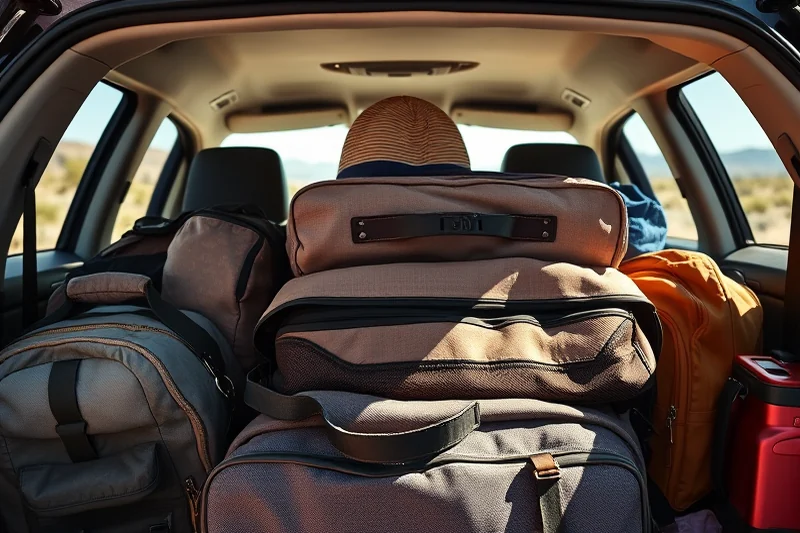
Now, I use a strict packing checklist and only bring what I absolutely need. I also ensure that all items are securely fastened and that the center of gravity of the car is balanced. This has made my drives safer and more enjoyable.
⭐ Classic
A balanced mix of nuts, dried fruit, and chocolate for a satisfying trail snack.
💰 Budget
Uses less expensive ingredients like generic nuts and dried fruit to cut costs.
⚡ Extra-Fast
Pre-chopped and pre-portioned ingredients for a quick assembly and bake.
✨ Depth
Adds a layer of complexity with spices like cinnamon or cayenne pepper for an adventurous twist.
🥗 Light
Uses fewer nuts and more dried fruit for a lighter, lower-calorie option.
| The mistake | Why it happens | The fix |
|---|---|---|
| Miscalculating the time required for each stop | It leads to rushed visits and missed opportunities to truly enjoy the landscape. | Use a detailed itinerary with time blocks and include a buffer of 30 minutes to an hour between stops. |
| Ignoring the best times to visit | This results in missed optimal lighting and overcrowded locations. | Check sunrise and sunset times for each destination and plan accordingly. |
| Underestimating the impact of Arizona’s heat | It can lead to heat exhaustion or dangerous driving conditions. | Carry at least 2 gallons of water per person, use a sunshade, and avoid driving during peak heat. |
| Overpacking the car | It increases the risk of accidents and makes the journey uncomfortable. | Use a strict packing checklist and only bring essential items. Secure all items in the car. |
Related: Budget scenic drives in maine
Scenic Drives In Arizona Mistakes
Related: Scenic drives in arkansas
Failing to Plan for Limited Fuel Stations in Remote Areas
One of the most overlooked mistakes on Arizona's scenic drives is not planning for fuel availability in remote areas. Many of Arizona's most breathtaking routes, like the Fred Harvey Scenic Byway or the Colorado River Scenic Byway, pass through regions where gas stations are few and far between. I once found myself stranded on a stretch of Highway 89 between Grand Canyon Village and Williams because I assumed a gas station would be nearby. The reality was that the last one was 40 miles behind me, and the next one wasn’t for another 30. It’s a sobering reminder that you must check the locations of fuel stations before beginning your journey, especially if you’re driving through less populated areas.
To avoid this pitfall, I now use apps like GasBuddy and Google Maps to identify all fuel stations along my route, even those that are off the main roads. It’s also a good idea to keep your tank at least half full as you enter these remote stretches. Another practical tip is to carry a portable gas canister for emergencies, though I recommend checking local regulations before doing so. This small act of preparation can prevent a major inconvenience and ensure your drive remains enjoyable and uninterrupted.
I’ve also learned to prioritize driving routes that have more frequent fuel access, especially during long trips. When planning scenic drives, I now take the time to map out fuel stations and mark them on my GPS. This has helped me avoid the stress of running out of gas in the middle of nowhere. The lesson here is clear: preparation is key, and the difference between a smooth scenic drive and a frustrating one often comes down to the simple act of planning for fuel access.
Underestimating the Need for Navigation Tools and Maps
Another common mistake I’ve made on scenic drives in Arizona is underestimating the importance of having backup navigation tools. While GPS systems are reliable in most cases, they can sometimes fail due to poor signal, map errors, or outdated data. During one trip along the Apache Trail near Superstition Mountain, my GPS lost signal for a stretch of road where the terrain was rugged and the signs were sparse. I ended up taking a wrong turn, which added over an hour to my drive and caused unnecessary stress. It was a wake-up call about the importance of having alternative navigation methods.
Since that experience, I always carry a physical map of the area, along with a compass and a backup power bank for my phone. I also download offline maps using apps like Gaia GPS before heading out, ensuring I have access to detailed topographic maps even when I’m disconnected from cellular networks. Another tip I’ve adopted is to research the specific scenic drive route in advance and note any tricky turns or landmarks that could help with orientation. This extra layer of preparation makes a big difference in ensuring a smoother and more confident drive.
I’ve also found that using a paper map alongside my GPS helps me better understand the overall layout of the area and reduces the chances of getting lost. It’s easy to become over-reliant on technology, but in a place like Arizona, where roads can be winding and remote, having multiple sources of navigation is essential. Taking the time to prepare with maps and backup tools not only helps avoid confusion but also enhances the overall experience by giving you a sense of control and preparedness on the road.
Common Questions
What’s the best time to visit Arizona’s scenic drives?
How long should I plan for each scenic stop?
What should I bring on a scenic drive in Arizona?
What are the most common mistakes travelers make on Arizona’s scenic drives?
References
Cite this guide
Prettyroads (2026). Scenic Drives In Arizona Mistakes. https://prettyroads.com/scenic-drives-in-arizona-mistakes/
Feel free to cite or share this guide.