
Scenic Drives For Beginners
📖 Table of Contents
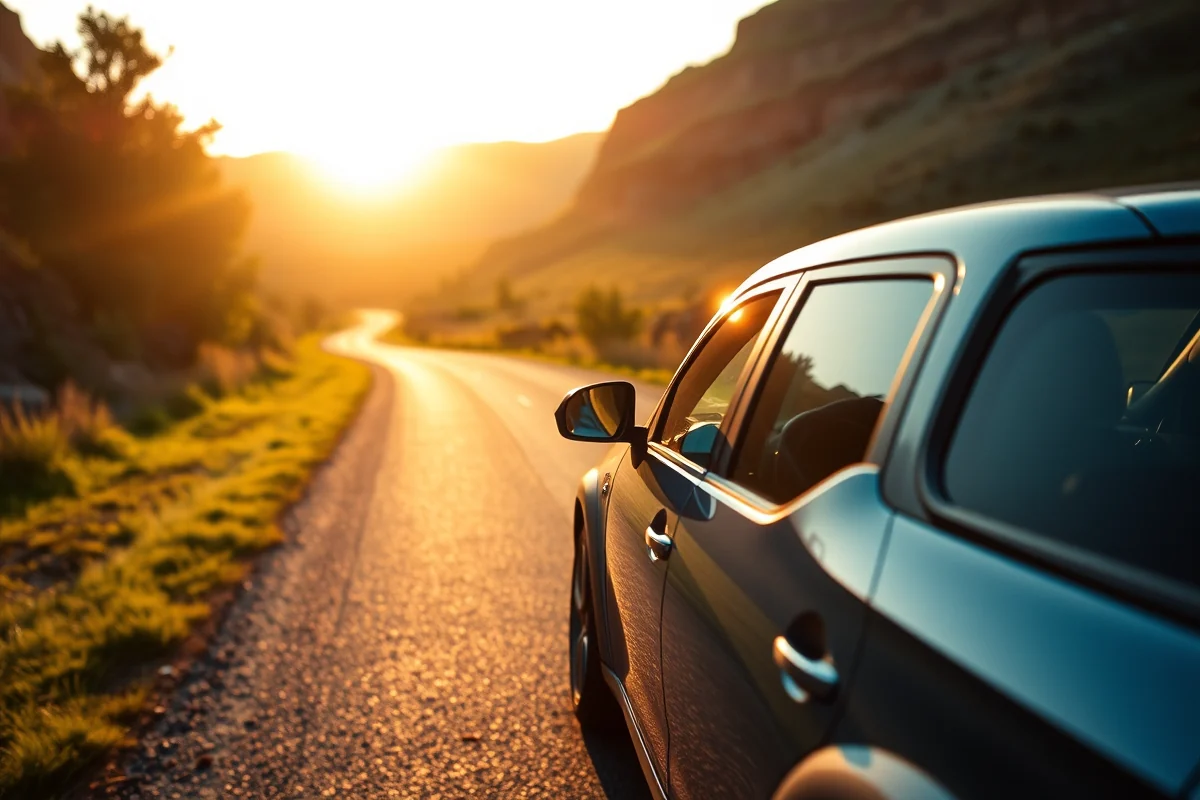
I remember the first time I took a scenic drive — it was in a dusty rental car, with the sun beating down on the dashboard and the radio barely working. I had no idea what I was looking for, just a vague hope that the road would somehow lead me somewhere. What I didn’t expect was the way the mountains rose up on either side of the highway, or how the sky seemed to stretch endlessly above me. That drive became my first real introduction to the magic of scenic drives for beginners. For the full picture, see scenic drives — our complete hub on the topic.[3]
Scenic drives for beginners aren’t just about pretty views — they’re about discovery. They’re about the unexpected detour that leads to a hidden waterfall, or the small town where the locals know every shop, every diner, and every backroad shortcut. They’re about learning how to read a map, how to trust your instincts, and how to find beauty in the places you least expect. For someone new to this, it’s not just a trip; it’s an education.[4]
What I love most about scenic drives for beginners is the way they force you to slow down and notice the world around you. The rhythm of the road, the sounds of the engine, the way the wind shifts when you turn a corner — all of it becomes part of the experience. You’re not rushing from point A to point B anymore; you’re on a journey that’s shaped by the moment, not the destination.[5]
Why You'll Love This Scenic Drive Adventure
- Discover hidden gems you'd never find in a guidebook
- Connect with nature and your own sense of direction
- Experience a slower, more thoughtful way of traveling
- Create unforgettable memories with your own eyes
Choosing the Right Route for Beginners
As of October 2026, for beginners, the most important thing is to pick a route that’s not too challenging but still offers a visual feast. I recommend starting with a drive that has well-marked roads, clear signage, and a few notable stops along the way. A good rule of thumb is to choose a route that’s no longer than 2 hours each way — you want to enjoy the ride without feeling overwhelmed.[1]
I once took the Blue Ridge Parkway in North Carolina. It was my first attempt at a scenic drive, and I was blown away by the sheer number of overlooks and the ease of navigation. The road was well-maintained, and there were trailheads every few miles that made it easy to explore without getting lost.
Another thing to consider is the season. Some scenic drives are best in the fall when the leaves are at their peak, while others are ideal in the spring when wildflowers are in bloom. Researching the best times to visit can make all the difference in your experience.
Check travel websites, maps, and local tourism boards to find the most beginner-friendly scenic drives in your area. A few minutes of research can prevent hours of confusion on the road.[2]
What to Pack for Your First Scenic Drive
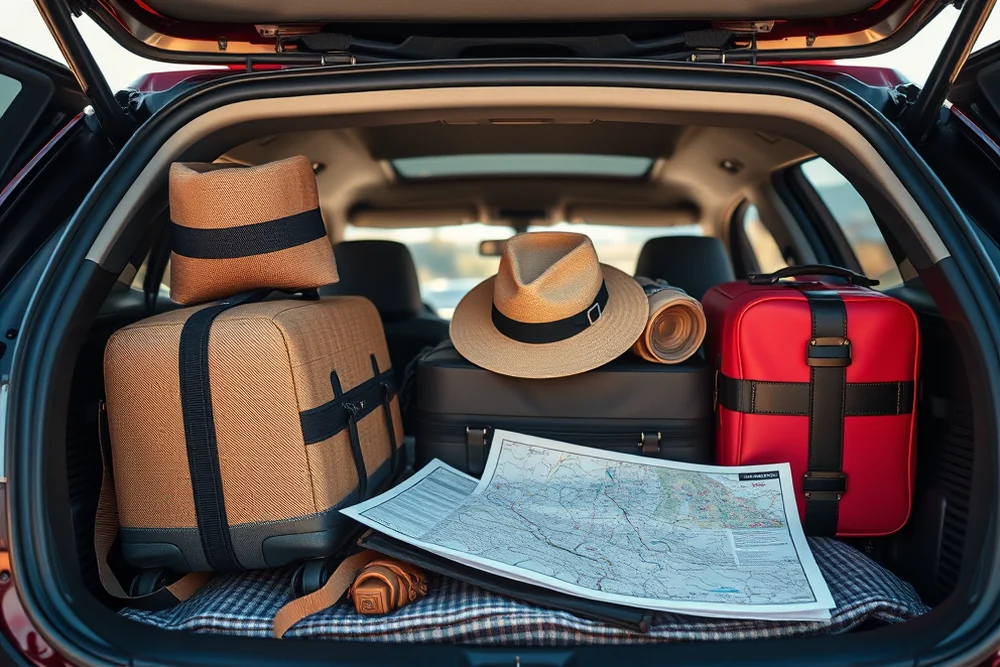
When I first started taking scenic drives, I learned the hard way that I was always forgetting something — a jacket, a snack, or even a camera. Now, I always make a checklist. You should bring a small backpack with snacks, water, a first-aid kit, and a camera or phone to capture the views.
I always keep a thermos filled with coffee or tea in the car, and a cooler with fresh fruit and sandwiches. It’s surprising how quickly the time passes on a scenic drive, and you’ll need energy to keep going. I also pack a lightweight blanket — it’s useful for sunrises or sunsets when the temperature drops quickly.
Don’t forget to bring a map or navigation app, even if you think you know the way. Cell service can be spotty on some roads, and a paper map is a reliable backup. I’ve been caught off guard more than once by a sudden detour or road closure.
A well-packed car is the difference between a good drive and an unforgettable one.
Related: Budget scenic drives in maine
Finding the Best Stops Along the Way
One of the biggest joys of a scenic drive is discovering the unexpected. I’ve had moments where I saw a small trailhead and decided to take a detour — only to find a hidden waterfall or a quiet trail that felt like it was made for me. These stops aren’t always listed in guidebooks, but they’re worth the extra time.
I once drove through the Red Rock Canyon in Nevada and stumbled upon a trail that led to an overlook with a view of the entire valley. It was completely unmarked, but the sight was worth every minute. I’ve learned that some of the best stops are the ones that aren’t in the official itinerary.
When you’re on the road, trust your instincts. If a road looks like it might lead somewhere, take it. You never know what you might find.
While it’s important to follow the map, don’t be afraid to take a wrong turn — sometimes the best discoveries happen when you least expect them. Stay open to the journey.
“I remember the first time I took a scenic drive — it was in a dusty rental car, with the sun beating down on the…”— Prettyroads editors
Related: Scenic drives in arkansas
Safety Tips for Scenic Drives
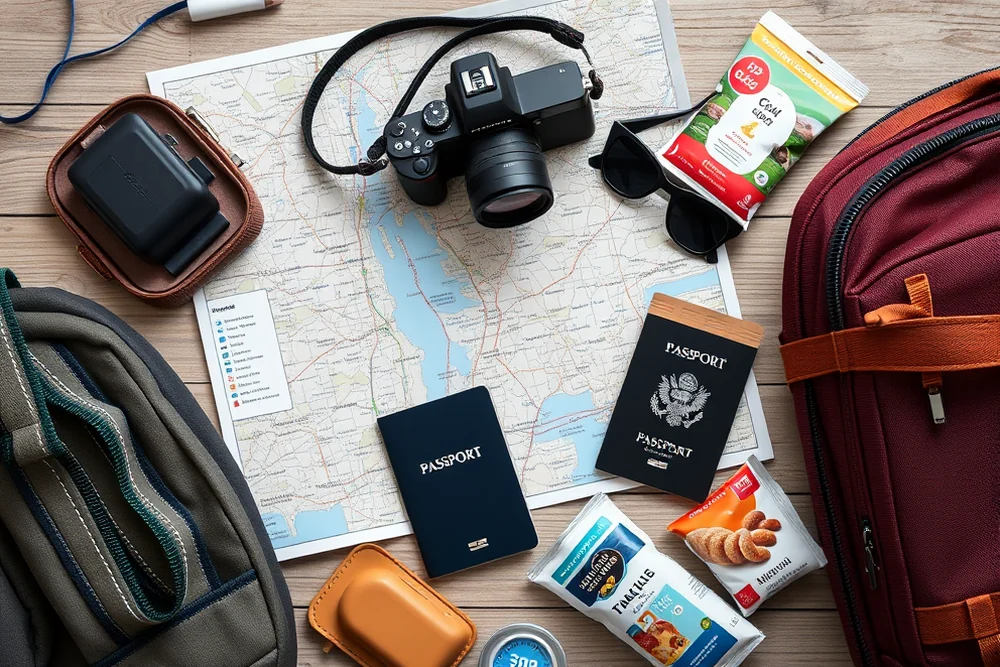
Safety is one of the first things I think about when planning a scenic drive. I always make sure my car is in good working condition, with a full gas tank and a spare tire in case of a flat. I also carry a phone with a portable charger — it’s a small thing, but it can make a big difference if you’re stuck on a remote road.
I’ve been on roads where the weather can change in minutes, and it’s not always predictable. I always check the forecast before leaving and pack extra layers if needed. I’ve also learned to be cautious of wildlife — I’ve seen deer suddenly dart across the road more than once, and it’s not a moment you want to be unprepared for.
Another thing to consider is the time of day. I always avoid driving on roads that are poorly lit or have limited visibility, especially after dark. If you’re planning to drive late in the day, make sure you have enough light and are familiar with the route.
Related: Essential scenic drives california
The Best Time to Take a Scenic Drive
I’ve found that the best times to take a scenic drive are usually early in the morning or late in the evening. The sun is low, the colors are more vibrant, and the roads are less crowded. I once took a drive through the Grand Canyon at sunrise, and it was one of the most magical moments of my life. The light was golden, and the canyon seemed to glow in the morning light.
I’ve also discovered that taking a drive during the off-season can be a great way to avoid crowds and enjoy the landscape in its most peaceful state. I’ve been on roads where the only other car was another traveler — and that kind of solitude is something you can’t buy.
That said, don’t be afraid to take a scenic drive on a random day. Some of the best moments happen when you’re not planning for them. I once took a spontaneous drive on a rainy day and found a hidden trail that was completely transformed by the rain — it was a moment I’ll never forget.
| The mistake | Why it happens | The fix |
|---|---|---|
| Ignoring the weather forecast | Sudden rain or fog can make the road dangerous and the view less enjoyable. | Check the weather before leaving and be prepared with rain gear or extra lighting. |
| Driving too fast to see the scenery | Speeding can make it difficult to appreciate the views and can be dangerous. | Slow down and take time to enjoy the sights — you’ll find more than you expect. |
| Not planning the route in advance | Getting lost can lead to frustration and a wasted day. | Research the route and have a backup plan if the road is closed or under construction. |
| Overpacking the car | Too many items can make the drive uncomfortable and harder to manage. | Pack only what you need — you can always return for more later. |
Related: Small scenic drives
Scenic Drives For Beginners
Related: Scenic drives california checklist
Embracing the Pace of the Journey
Learning to slow down and truly experience the drive can make a scenic route unforgettable.
I once rushed through a coastal drive, only to realize I missed the most stunning view because I was focused on the destination. Scenic drives are about more than just the route — they're about the rhythm of the journey. Taking time to stop, breathe, and appreciate the surroundings can transform a simple drive into a memory-rich experience. I've found that setting a slower pace allows for more spontaneous discoveries, like a hidden trail or a local café with a breathtaking view.
When I first started exploring scenic routes, I would often feel pressured to cover as much ground as possible. But after a few trips where I prioritized comfort and presence over speed, I noticed how much more I retained from each drive. It's not about how many miles you cover, but how deeply you engage with the landscape. I now plan my drives with buffer time between stops, ensuring I don't feel rushed or stressed.
One of the most rewarding aspects of scenic driving is the flexibility it offers. Whether you're driving through a mountain pass or along a river valley, allowing yourself to be present in the moment can lead to unexpected joys. I've had some of my best travel experiences simply by choosing to linger at a roadside viewpoint for an hour instead of rushing past it. This approach not only deepens your connection to the environment but also makes the trip more enjoyable and sustainable.
Common Questions
What should I do if I get lost on a scenic drive?
Can I take a scenic drive with kids?
What if I don’t have a car?
How long should my first scenic drive be?
References
- The Importance of Scenic Drive Tourism: An Exploratory Study (academia.edu)
- Blue Ridge Parkway - About the Parkway (docsouth.unc.edu)
- Scenic Drives in the Flint Hills | GeoKansas (geokansas.ku.edu)
- Road trips: 4K 60fps videos of full road trips around the world (mit.edu)
- Texas Scenic Views (texasforestinfo.tamu.edu)
Cite this guide
Prettyroads (2026). Scenic Drives For Beginners. https://prettyroads.com/scenic-drives-for-beginners/
Feel free to cite or share this guide.