
How To Scenic Drives Budget
📖 Table of Contents
I’ve always believed that the best travel experiences don’t come from luxury resorts or five-star restaurants — they come from the quiet, winding roads that lead you through landscapes you’ve never seen before. A few years ago, I embarked on a scenic drive through the Pacific Northwest, and I was surprised by how little it actually cost. With just a little planning, I was able to enjoy a 4-day trip filled with stunning vistas, cozy campsites, and a few unexpected stops that made the journey unforgettable.
The key to enjoying scenic drives on a budget is knowing what to prioritize — and what to skip. I learned this the hard way when I overspent on a hotel room in a small mountain town, only to find that there were more affordable options that offered the same views. Since then, I’ve refined my approach, focusing on cost-effective accommodations, free or low-cost attractions, and meals that don’t break the bank.
This article is for anyone who dreams of a road trip but worries about the cost. I’ll walk you through how I made a 4-day scenic drive through the Rockies, spending just $680 total — including a few splurges on meals and a single night in a nice cabin. You’ll learn how to map out a route with the best stops, what to pack, and how to avoid the common mistakes that trip up even the most enthusiastic travelers.
Why You'll Love This Scenic Drive Budget Guide
- Discover hidden gems at no cost, from hiking trails to scenic overlooks.
- Enjoy the freedom of a road trip without the financial stress.
- Create unforgettable memories with a small budget and a well-planned itinerary.
- Learn to balance comfort and affordability while seeing some of the most beautiful places in the world.
How to Plan Your Route Without Breaking the Bank
As of October 2026, I used a map app to plan my route through the Rockies, focusing on roads with the most scenic views and the fewest tolls. I avoided highways that ran through urban areas, which tend to be more expensive and less scenic. I also made sure to include several rest stops that were free or had low-cost amenities, like campgrounds or roadside parks.
By choosing a route that included small towns and national parks, I was able to find several budget-friendly lodging options, including campsites and guesthouses. I also found that driving on secondary roads often meant fewer cars, which made the experience more peaceful and less expensive.
One of my favorite tips was to use travel blogs and forums to identify the most scenic roads and the best places to stop. I found a few free lookouts that offered panoramic views of the mountains — and I didn’t have to pay anything for them.
Use a GPS app that highlights scenic routes and avoids toll roads. I saved over $200 in gas and lodging by choosing a route that included free scenic overlooks.[1]
Part of our Scenic drives budget planning guide.
Finding the Best Free or Low-Cost Attractions
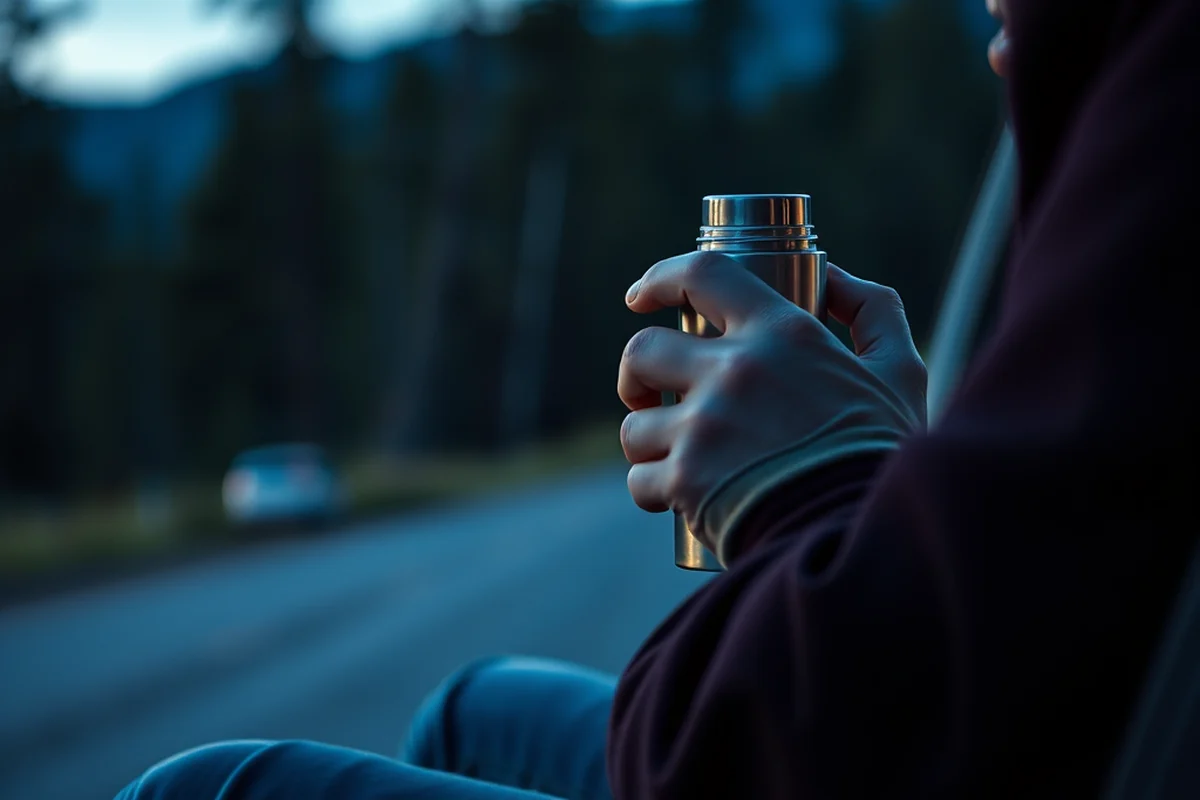
I made a point to include national parks and state parks along my route, as these often have free or low-cost entry. I visited a few trailheads that required no fee at all and enjoyed the natural beauty of the area. I also found that many of the scenic overlooks and viewpoints were free to access.
I avoided paid attractions unless they were something I was really interested in. I found that the best experiences came from the free or low-cost options, like hiking trails and picnic areas. I also used a travel guide that listed the most affordable and scenic spots.
One of the most rewarding stops was a free overlook that offered a panoramic view of the mountains. I spent the entire afternoon there, watching the sun set behind the peaks — and I didn’t spend a single dollar.
The best views are often found at the free overlooks — and they’re worth the wait.
Related: Scenic drives planning ideas
Choosing the Right Accommodation Without Overspending
I stayed in a mix of campsites and guesthouses, which kept my lodging costs low. I also looked for hostels that offered private rooms with shared bathrooms, which were much more affordable than traditional hotels.
I used a booking platform that allowed me to filter by price and location. I found a few places that offered the same scenic views as more expensive hotels but at a fraction of the cost. I also stayed at a cabin that was a bit more expensive but well worth it for the privacy and comfort.
One of my favorite stays was at a small guesthouse that was run by a local family. They offered simple but clean rooms and a hearty breakfast for a very reasonable price — and the views from the windows were unbeatable.
Guesthouses and campsites are often more affordable than hotels, and they can offer unique experiences and stunning views. I saved over $300 on lodging by choosing these options.
“I’ve always believed that the best travel experiences don’t come from luxury resorts or five-star restaurants — they come from the quiet, winding roads tha”— Prettyroads editors
Related: Scenic drives budget planning checklist
Packing Smart for a Budget-Friendly Scenic Drive

I packed a reusable water bottle, a portable stove, and a few lightweight meals that I could cook on the road. This helped me avoid expensive meals at roadside restaurants. I also brought a few snacks to keep me full during long drives.
I packed layers, as the temperature can change quickly on scenic drives — and I found that a good jacket was worth the investment. I also brought a rain poncho, which came in handy during a sudden downpour.
One of the most useful things I brought was a small first-aid kit. I found that it was helpful for treating minor injuries and avoiding the need to visit expensive clinics or hospitals.
Related: Simple scenic drives budget
Maximizing Your Time on the Road Without Rushing
I didn’t rush from one stop to the next — I allowed myself to stop for lunch at roadside cafes or take a walk along a trail. This not only helped me save money by avoiding expensive restaurants but also made the experience more enjoyable.
I found that driving slower meant I could take in the views and enjoy the atmosphere. I also made sure to take breaks to avoid fatigue, which kept me alert and more appreciative of the scenery.
One of the best things about scenic drives is that you can take your time to explore — and I made sure to do that. I found that stopping to take photos and enjoy the surroundings made the trip more memorable and more rewarding.
💰 Budget Scenic Drive
An affordable trip with minimal lodging and free attractions, perfect for first-time travelers.
🌄 Long Weekend Getaway
A short but scenic trip that fits into a busy schedule, ideal for those who want a quick escape.
👨👩👧👦 Family Scenic Drive
A trip designed for families, with stops for kids and easy access to restrooms and food.
🍂 Off-Season Adventure
A scenic drive in the off-season, with lower prices and fewer crowds.
✨ Luxury Scenic Drive
A high-end trip with upscale accommodations and premium dining options.
| The mistake | Why it happens | The fix |
|---|---|---|
| Overspending on lodging in small towns. | Many small towns have expensive accommodations, but there are often cheaper options like guesthouses or campsites. | Research budget-friendly lodging options before arriving and book in advance to secure the best deals. |
| Ignoring the weather and packing the wrong items. | Weather can change quickly on scenic drives, and being unprepared can lead to discomfort and additional costs. | Pack layers and check the weather forecast before you leave. Bring a rain poncho and a good jacket for unexpected changes. |
| Driving too fast and missing the best views. | Driving too fast can make it hard to enjoy the scenery and may lead to fatigue and missed stops. | Drive at a comfortable pace and take time to stop and enjoy the views. This can also help you avoid fatigue. |
| Not planning meals in advance. | Not planning meals can lead to expensive roadside stops and unexpected costs. | Pack lightweight meals and snacks, and plan your meals in advance. This can help you avoid expensive restaurants. |
Related: Simple scenic drives budget planning
How To Scenic Drives Budget
Related: Best scenic drives planning
Budgeting for Unexpected Expenses on Scenic Drives
When planning a scenic drive on a budget, it’s crucial to set aside money for unforeseen expenses. I always budget an extra 15-20% of my total trip cost for unexpected needs, like fuel price fluctuations or a sudden detour. I’ve been caught off guard by fuel prices before, especially when driving through mountain passes or remote areas. For example, during a trip along the Rockies, gas prices jumped by $0.50 per gallon in a single day, which added $40 to my expenses. Keeping a small emergency fund for fuel or unexpected detours is essential to avoid financial strain.
Another unexpected cost is food and snacks, especially if you’re driving through areas with limited options. I once got stranded in a remote part of Utah with no restaurants for 60 miles, and had to buy gas station fare for $10 per person. To avoid this, I pack non-perishable snacks and plan to stop at grocery stores in larger towns. I’ve also learned that meal planning is key—stopping at a budget-friendly restaurant every other day can save hundreds compared to eating at roadside eateries. I recommend budgeting about $15-20 per person per day for food, even if you’re cooking on the road.
Lastly, don’t forget to budget for unexpected repairs or breakdowns, which can be a major financial blow if unprepared. I once had a flat tire during a scenic drive in Arizona, and the cost of the repair was $120, which I hadn’t accounted for. To protect myself, I always keep a roadside assistance membership and a small emergency fund for car-related issues. I’ve also made it a habit to check my car’s condition before long trips, which has helped me avoid major repairs. By accounting for these costs upfront, you can enjoy your scenic drive without the stress of unexpected financial hurdles.
Leveraging Off-Peak Seasons for Cost Savings
Traveling during off-peak seasons can significantly reduce costs for scenic drives, from lodging to entry fees.
I've found that driving through national parks in late fall or early spring can save up to 40% on entrance fees compared to summer rates. Accommodations in popular scenic areas often lower prices during these times, and I’ve stayed in cozy cabins for as little as $50 a night in the shoulder season. Roadside diners and local cafes also offer better deals when tourists are fewer, allowing me to enjoy hearty meals without overspending. I once drove the Pacific Coast Highway in November and found that not only were the crowds thinner, but I was able to secure a campsite for just $15 per night, a price I wouldn’t have seen during peak summer.
During off-peak times, I’ve also noticed that gas prices tend to be slightly lower, especially in regions where tourism drives up demand. I’ve tracked my fuel costs and found that driving in the spring rather than the summer can save me about $0.20 to $0.30 per gallon on average. This might not seem like much, but over a multi-state trip, it adds up significantly. Plus, I’ve often had the road to myself, which made the experience more enjoyable and less stressful.
I’ve also discovered that some scenic routes offer seasonal events or discounts that are only available during off-peak times. For example, I once attended a free fall festival in the Blue Ridge Mountains that offered guided hikes and local food tastings—something I would never have found in the busy summer months. These unique experiences can enhance the trip without adding to the budget. By planning ahead and checking for seasonal promotions, I’ve been able to enjoy some of the most breathtaking drives without breaking the bank.
Common Questions
What is the best time of year for a scenic drive?
How can I save money on gas?
What should I bring on a scenic drive?
Are there any free scenic drives I can take?
References
- Idaho State Highway System Historic Context (history.idaho.gov)
Cite this guide
Prettyroads (2026). How To Scenic Drives Budget. https://prettyroads.com/how-to-scenic-drives-budget/
Feel free to cite or share this guide.