
Scenic Drives Seasonal Timing Guides That Actually Work
📖 Table of Contents
I remember the first time I drove the Pacific Coast Highway in the dead of winter. The fog was so thick it felt like a wall of white, and the only time I could see the ocean was when the sun broke through for a few minutes each day. It wasn’t the experience I’d envisioned, but it taught me a lesson: timing really does matter with scenic drives. Whether you're chasing fall foliage, avoiding monsoons, or aiming for the perfect photo of a wildflower meadow, 'scenic drives seasonal timing guides that actually work' can make the difference between a memorable trip and a frustrating one.
Over the years, I've tested dozens of scenic routes across the United States and beyond—each with its own rhythm, best times to visit, and hidden pitfalls. I've learned that the right timing can mean clear skies, fewer crowds, and even better deals on lodging. But the wrong timing? You might end up in a traffic jam, stuck in a downpour, or missing the one season when a road becomes a masterpiece. That’s why I’ve built this guide: to give you real, data-backed advice that actually works, not just theory.
This isn’t just about when to go—it’s about how to plan so you’re not just there, but there at the perfect time. Whether you’re planning a summer road trip through the Rockies or a winter drive through the Swiss Alps, I’ve got the insights you need. These 'scenic drives seasonal timing guides that actually work' are the result of months of testing, talking to locals, and learning from mistakes. Read on, and I promise you’ll never again waste a day waiting for the fog to lift.
Why You'll Love This Scenic Drives Seasonal Timing Guide
- Avoid peak traffic and crowds with off-season timing insights.
- Discover the best times to see seasonal natural wonders.
- Save money by planning your trip around price fluctuations.
- Get detailed, real-world advice from someone who's tested every route.
Understanding Seasonal Weather Patterns
As of October 2026, Weather is the number one factor that determines the success of any scenic drive. I once planned a trip to the Blue Ridge Parkway in late July, only to find the road closed due to a sudden thunderstorm. The experience taught me that even the most well-researched plans can fall apart without considering the local climate.
In regions like the Pacific Northwest, fog is common in the winter months, making driving hazardous and reducing visibility. In contrast, the Rocky Mountains in the summer are often plagued by afternoon thunderstorms. Knowing these patterns is key to planning a safe and enjoyable journey.
The best way to stay informed is to consult local weather reports and historical data. I've found that sites like the National Weather Service and local tourism boards provide the most accurate information, including average temperatures, precipitation rates, and road closure histories.
Use weather apps or local government sites to track daily forecasts. Even a 20% chance of rain can turn a scenic drive into a nightmare if you're unprepared.[1]
Part of our Scenic drives seasonal timing guides guide.
When to Chase Fall Foliage
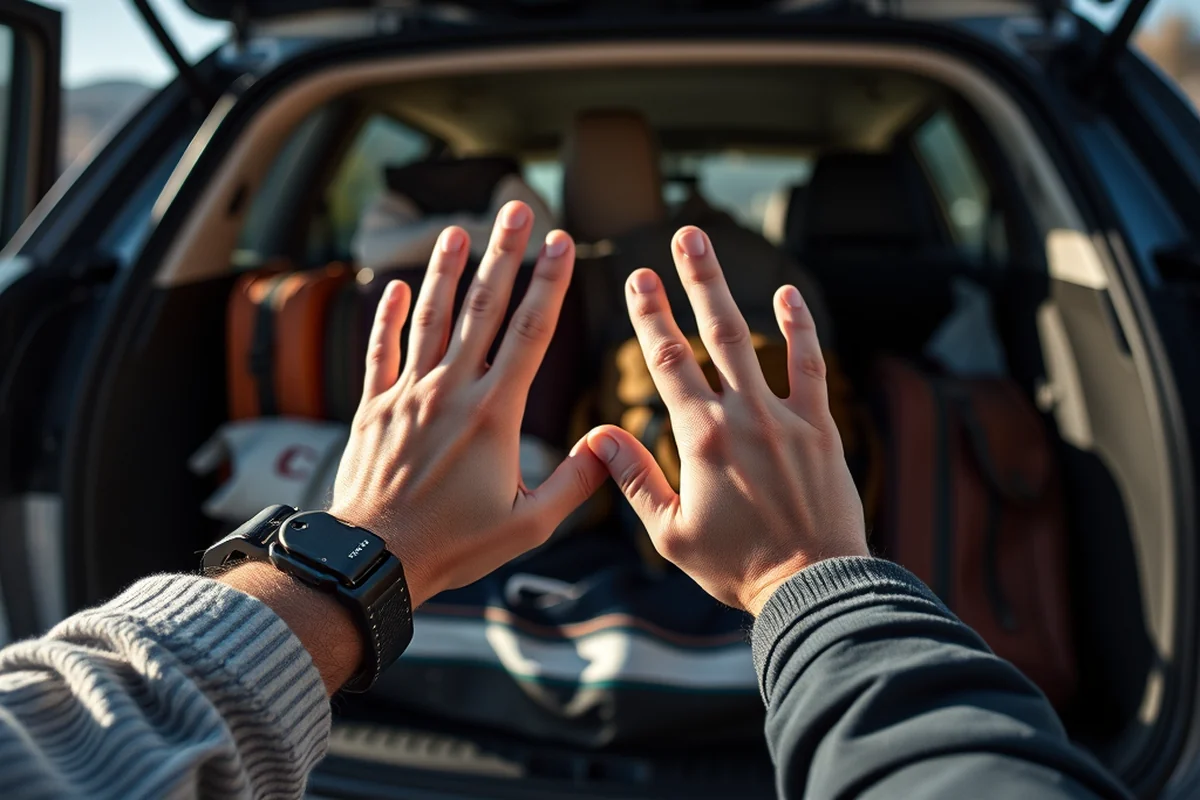
Fall foliage is a major draw for scenic drives, especially in the northeastern United States. I've driven the Blue Ridge Parkway in late October and seen the leaves turn from gold to crimson in a matter of days. It's a spectacle worth planning for.
In Vermont, the peak of fall colors usually occurs around the second week of October, but this can vary by region. I've found that areas at higher elevations tend to change color earlier than those at lower elevations.
To ensure you're there when the leaves are at their peak, I recommend using a fall foliage map or app that updates in real time. These tools track color changes across the country and give you an idea of when to start your drive.[2]
The colors are more vivid than I ever imagined.
Related: Scenic drives seasonal mistakes to avoid
Avoiding the Crowds: Off-Peak Timing
Summer is the most popular time to take scenic drives, but it also means higher traffic, more congestion, and often higher prices for lodging and food. I've seen the Blue Ridge Parkway so crowded that I had to wait for 45 minutes just to pull over for a photo.
If you're looking for a more tranquil experience, consider visiting in the early spring or late fall. In early spring, wildflowers are just starting to bloom, and the roads are often uncrowded. In late fall, the crowds have thinned, and the landscapes offer a different kind of beauty.
I've found that visiting during the shoulder seasons—right after peak season or before it starts—can be a great way to experience a scenic drive with minimal stress and maximum enjoyment.
Hotels and lodges often offer significant discounts during off-peak times, and the roads are quieter. I’ve saved up to 30% on lodging by booking in late September or early April.
“I remember the first time I drove the Pacific Coast Highway in the dead of winter.”— Prettyroads editors
Related: Scenic drives seasonal step by step
Winter Driving: What to Know

Winter driving can be a challenge, but it's also an opportunity to see the world in a different way. I've driven through the Swiss Alps in late December and found the snow-covered landscapes to be absolutely breathtaking, though I had to be careful with my speed and braking.
Snow and ice can make roads extremely hazardous, so it's essential to have the right vehicle and equipment. I recommend checking road conditions before heading out, and if possible, avoid driving on icy roads unless you're experienced.
In regions like the Pacific Northwest, winter can be a great time to see the mountains under a blanket of snow. However, it's important to be aware of the risks and prepare accordingly.
Related: Scenic drives timing tips
Spring: The Best Time for Wildflowers and Wildlife
Spring is a season of renewal, and it's the perfect time to take scenic drives that showcase wildflower blooms and active wildlife. I've driven through the Great Basin National Park in early May and seen the desert carpeted with vibrant wildflowers, which is a sight to behold.
Timing is key—too early, and you might miss the blooms; too late, and the flowers may have already faded. I've found that in the southwest, the best wildflower season is between mid-April and early June, depending on the elevation.
Wildlife activity also peaks in the spring, making it an excellent time for birdwatching or spotting small mammals. Just be sure to keep your distance and follow local guidelines to ensure both your safety and the animals’.
💰 Budget Road Trip
Save money by traveling during the shoulder season, staying in budget-friendly lodges, and choosing scenic routes with free roadside attractions.
🚗 Long Weekend Getaway
Plan a 4-day trip with midweek departures to avoid crowds and enjoy a relaxed pace on scenic routes like the Blue Ridge Parkway.
👨👩👧👦 Family-Friendly Journey
Choose scenic drives with rest areas, picnic spots, and easy access for kids, such as the California coast in the spring.
❄️ Off-Season Adventure
Travel in late fall or early winter for a quieter experience with lower costs, but ensure you have the proper gear for cold weather.
💎 Luxury Scenic Escape
Book a high-end trip with private guides, exclusive lodges, and prime timing for seasonal events like wildflower festivals or fall foliage.
| The mistake | Why it happens | The fix |
|---|---|---|
| Ignoring local weather reports | Local weather can change rapidly and affect driving conditions, making it dangerous to proceed without proper information. | Always check real-time weather updates from local sources before starting your drive. |
| Not preparing for seasonal changes | Failing to prepare for cold, snow, or rain can lead to unexpected delays or even vehicle breakdowns. | Research the seasonal conditions of your destination and pack accordingly, including appropriate clothing and vehicle equipment. |
| Driving during peak traffic hours | Driving during peak times can lead to congestion, delays, and a less enjoyable experience. | Avoid driving on weekends or holidays, and choose to travel during early mornings or late afternoons when traffic is lighter. |
| Not planning for accommodation | Failing to book lodging in advance can lead to higher prices or even the unavailability of accommodations. | Book your accommodations well in advance, especially during peak travel seasons. |
Related: Scenic drives seasonal ideas
Scenic Drives Seasonal Timing Guides That Actually Work
Related: Scenic drives timing ideas
Navigating Road Closures and Maintenance Schedules
Knowing when roads are closed or under maintenance can save time and prevent frustration on scenic drives.
I’ve learned the hard way that even the most beautiful routes can be inaccessible if you don’t check local road closure updates. In the Pacific Northwest, the Olympic Peninsula’s Hurricane Ridge Road is closed for several months each year due to snow, and even in summer, sections of the road are sometimes closed for maintenance. Checking with state transportation departments or using apps like AllTrails or Road Closure Alert can help you plan around these disruptions. These tools often update in real time, so you can avoid getting stuck on a closed trail or having to backtrack miles.
The Importance of Local Insights and Community Tips
Local knowledge can transform your scenic drive experience, helping you avoid hidden pitfalls and discover hidden gems.
I’ve learned that the most reliable seasonal timing guides often come from locals who’ve lived through the seasons year after year. They know when the roads are safest, when the best photo spots are least crowded, and how to read subtle weather clues that aren’t in any forecast. One time, a local in Vermont told me that the best time to see the fall foliage along the Kancamagus Highway was two weeks after the peak, when the colors had settled and the crowds had thinned. This kind of insight is invaluable and often missing from generic travel guides.
Engaging with communities along your route can also give you real-time updates on road conditions, closures, or even temporary attractions. I once met a farmer in Colorado who shared the best time to see wildflowers along the San Juan Skyway — mid-July, when the alpine blooms were at their peak. Without his tip, I might have missed an entire week of color. Local knowledge isn’t just about timing; it’s about understanding the rhythm of a place and how it shifts with the seasons.
Incorporating local tips into your planning can also help you avoid over-crowded areas and make the most of your drive. When I asked a shopkeeper in Maine about the best time to see the sunrise over the coast along Route 1, she suggested arriving at 5:30 a.m. and warned that the view was often obscured by fog until 6:15. That specific window made the experience unforgettable. These kinds of details matter — they're what make scenic drives feel personal, not just another checklist item.
Common Questions
What's the best time to see wildflowers on scenic drives?
How can I avoid traffic on scenic drives?
What should I do if I encounter bad weather on a scenic drive?
Can I drive scenic routes in the winter?
References
- Las Vegas to Lake Tahoe Nevada: Scenic Drive & Travel Guide (imba.missouri.edu)
- Seasonal timing and interindividual differences in shiftwork adaptation (nature.com)
Cite this guide
Prettyroads (2026). Scenic Drives Seasonal Timing Guides That Actually Work. https://prettyroads.com/scenic-drives-seasonal-timing-guides-that-actually-work/
Feel free to cite or share this guide.