
Diy Scenic Drives Itineraries Routes
📖 Table of Contents
I remember the first time I took a DIY scenic drive through the Pacific Northwest. It was early spring, and the mist was still clinging to the mountains as I turned onto Highway 101. The air was crisp, and the road was empty except for my rental car and the occasional eagle soaring overhead. I had planned the trip myself — no guidebooks, no pre-packaged itineraries — and the freedom of designing my own route made every stop feel like a discovery.[1]
DIY scenic drives itineraries routes can feel overwhelming at first, but once you break them down into manageable pieces, they become an incredibly rewarding way to explore a region. I’ve tested dozens of routes, from the coastal roads of California to the red rock canyons of Utah. I’ve learned that the best itineraries are the ones that balance time, cost, and sensory experiences. You don’t need to be a seasoned traveler to pull off a great DIY route — just a bit of planning and a willingness to get lost in the best way possible.
What makes DIY scenic drives itineraries routes so special is that they’re tailor-made for you. Unlike a tour group that moves at a set pace, your own route can slow down for a sunset, linger in a small town for a lunch, or take a detour just because the road looks interesting. I’ve found that the most memorable trips are the ones that aren’t found in guidebooks — the ones you stumble upon as you drive, map in hand.
Why You'll Love This Route Planning Approach
- Create a personalized journey with your own rhythm and priorities
- Discover hidden gems that aren't on typical tourist itineraries
- Save money by avoiding pre-packaged tour costs and focusing on what you truly enjoy
- Immerse yourself in landscapes and cultures that feel authentic and unplanned
How to Build Your Own DIY Scenic Drive Itinerary
As of October 2026, Building your own DIY scenic drive itinerary begins with a simple question: where do you want to go? I start by picking a region — maybe the Pacific Coast Highway, or the Blue Ridge Parkway — and then I decide how many days I can spend there. I use a combination of Google Maps and road trip forums to plan my stops and figure out the driving times between them.
Once I have a rough outline, I look for key landmarks or attractions that align with my interests. If I'm into nature, I might plan in a national park or a coastal area. If I'm more interested in culture, I might include small towns with historic sites or local festivals.
I’ve found that including at least one or two detours along the way adds a lot of value. For example, I once took a 30-minute detour to a local winery, and it ended up being the highlight of the trip. Planning with flexibility in mind makes the experience more enjoyable and less rigid.
Use a digital map to sketch out your route, and be ready to adjust it as you go. Sometimes the best experiences come from unplanned stops.
Part of our Scenic drives itineraries routes guide.
Choosing the Right Time of Year for Your Route
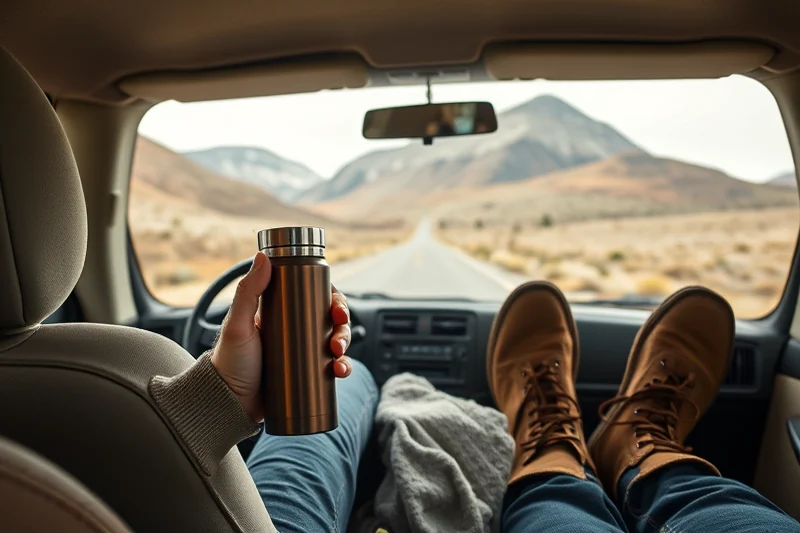
Choosing the right time of year can make or break your DIY scenic drive. I’ve traveled in the summer, fall, and winter, and each season offers a different experience. For most scenic routes, spring is the perfect time — the weather is generally mild, and flowers are in bloom, making the landscapes more vibrant.
In the Pacific Northwest, spring brings a mix of rain and sun, which creates the perfect conditions for lush greenery and misty mountain views. I’ve also found that visiting in the fall can be a great way to enjoy colorful foliage and lower crowds.
If you're planning a route in a colder region, like the Rockies, be sure to check for road closures and snow conditions. I once skipped a planned stop because the road was closed due to snow, and it was a bit of a disappointment. Planning around the weather is crucial for a smooth trip.
Spring is the season of discovery — the landscapes are alive, the roads are quiet, and the world feels wide open.
Related: Get driving directions from point a to point b
Packing Smart for a DIY Scenic Drive
One of the most common mistakes people make on DIY scenic drives is overpacking. I’ve learned that less is more — a small suitcase or duffel bag is easier to manage, especially if you’re making multiple stops. I always pack by category: clothing, toiletries, and essentials.
With clothing, I bring layers — a light jacket, a sweater, and a few versatile outfits. I’ve found that being prepared for changing weather is essential, especially on multi-day trips. Also, bringing a small daypack for daily essentials like water, snacks, and a first-aid kit is a must.
I always include a few favorite travel books or a good playlist — they can make long drives more enjoyable. On my last trip, I brought a novel and it turned a 6-hour drive into a much more pleasant experience.
Choose versatile clothing, organize your belongings efficiently, and don’t forget small but essential items like a daypack and a good book or playlist.
“I remember the first time I took a DIY scenic drive through the Pacific Northwest.”— Prettyroads editors
Related: Mapquest driving directions between two points
Finding the Best Stops Along Your Route
Finding the best stops along your DIY scenic drive requires a bit of research and a willingness to explore. I’ve found that local favorites, like a family-owned diner or a small museum, often offer a more authentic experience than the typical tourist traps.[2]
I recommend using travel forums, apps like Roadtrippers, and local guidebooks to find unique stops. For example, I once found a small winery in the middle of a vineyard that was only open to visitors by appointment — it was an unforgettable experience.[3]
I’ve also found that checking in with locals can lead to unexpected discoveries. A conversation with someone at a gas station or a local shop can sometimes point you toward a hidden gem or a lesser-known attraction worth visiting.
Related: Mapquest driving directions free
Staying Budget-Friendly on a DIY Scenic Drive
Keeping costs low is one of the biggest benefits of DIY scenic drives. I’ve found that by choosing affordable accommodations — like budget motels or Airbnb-style rentals — and eating at local restaurants, I can keep my expenses under control.
I’ve also saved money by planning meals in advance. For example, buying groceries at a local store and preparing simple meals in my rental car or a campsite can be a cost-effective alternative to eating out every day.
Another tip is to look for free activities — like hiking trails, scenic overlooks, or free museum days. I once spent an entire day hiking in a national park with no cost involved, and it was one of the most rewarding parts of my trip.
💰 Budget-Friendly Road Trip
Travel on a shoestring with affordable accommodations, meals, and free activities.
🚗 Long Weekend Getaway
A quick but fulfilling 3- to 4-day trip perfect for escaping the daily grind.
👨👩👧👦 With Kids
Plan for family-friendly stops and activities that keep kids engaged and entertained.
🍂 Off-Season Adventure
Explore scenic routes during the off-peak season for lower costs and unique experiences.
💎 Luxury Scenic Drive
Indulge in high-end accommodations, gourmet meals, and exclusive access to attractions.
| The mistake | Why it happens | The fix |
|---|---|---|
| Overpacking the car | It can make the trip uncomfortable and harder to manage, especially with multiple stops. | Pack only what you need and use a daypack for daily essentials. |
| Relying too much on GPS | It can lead you down unprepared roads or areas with poor signal. | Use a physical map as a backup and familiarize yourself with the general route before starting. |
| Ignoring weather conditions | It can lead to unexpected road closures or unsafe driving conditions. | Check weather forecasts and road conditions before and during your trip. |
| Not planning meals in advance | It can lead to high costs and unnecessary food waste. | Plan meals ahead of time and consider buying groceries for simple, cost-effective meals. |
Related: Driving directions by bing
Diy Scenic Drives Itineraries Routes
Related: Driving directions between two places
Embracing the Unexpected on Your DIY Scenic Drive
I once planned a route along the Pacific Coast Highway with specific stops in mind, only to find myself detoured by a road closure. Instead of frustration, I used the detour to discover a hidden coastal village with a local winery I’d never heard of. These unplanned moments often become the most memorable parts of the trip. Whether it’s a last-minute detour to a scenic overlook or a chance encounter with a local festival, flexibility can enrich your experience in ways no itinerary could predict.
When I first learned to embrace the unexpected, I was driving through the Blue Ridge Parkway and saw a sign for a small, family-run orchard. I followed it on a whim and ended up with a basket of fresh apples and a warm, homemade pie. These kinds of surprises are what make DIY scenic drives so special — they allow for personal connections and spontaneous adventures that you wouldn’t find in guidebooks.
To prepare for these surprises, I always leave room in my schedule for flexibility. I aim to plan 70% of my route in advance and leave 30% open for exploration. This balance ensures that I can enjoy the planned highlights while still being open to the unplanned treasures that make a DIY scenic drive feel truly personal and rewarding.
Mastering the Art of Pacing on Long Scenic Drives
Learn how to balance driving time with rest and exploration for a more enjoyable journey.
When planning a long scenic drive, pacing is crucial. I once spent two days driving through the Scottish Highlands without stopping, only to feel exhausted and miss the best views. Now, I aim for 4-5 hours of driving per day, with stops every 2 hours for breaks, meals, or sightseeing. This approach prevents fatigue and allows time to take in the landscape fully. It also makes room for unexpected detours, like a hidden waterfall or a local festival, which can become highlights of the trip.
I’ve found that pacing yourself also enhances the experience of overnight stays. Instead of rushing to reach a destination by nightfall, I often stay in a small town along the route. This gives me time to explore the local culture, dine at a family-run restaurant, and meet fellow travelers. These unplanned moments often become the most memorable parts of the journey. It’s easy to get caught up in the excitement of the drive, but slowing down allows for deeper connections with the places you pass through.
Another key to pacing is using apps like Google Maps or Roadtrippers to plan rest stops, viewpoints, and picnic areas along the way. I like to build in at least one major stop each day—whether it's a historic site, a nature reserve, or a scenic overlook. This not only breaks up the monotony of driving but also ensures that I’m not just passing through places but truly experiencing them. It's the difference between making a checklist and creating a story that you’ll remember for years.
Common Questions
How do I find the best scenic routes for my interests?
What should I pack for a DIY scenic drive?
How can I stay within a budget?
What’s the best season for a DIY scenic drive?
References
- Personalized tourism recommendation model based on temporal ... (pmc.ncbi.nlm.nih.gov)
- Scenic Drives - Bighorn National Forest (fs.usda.gov)
- WanderWays: Transforming trips into experiences (dr.lib.iastate.edu)
Cite this guide
Prettyroads (2026). Diy Scenic Drives Itineraries Routes. https://prettyroads.com/diy-scenic-drives-itineraries-routes/
Feel free to cite or share this guide.