
How To Scenic Drives Stops
📖 Table of Contents
I remember the first time I drove along the Pacific Coast Highway, the wind in my hair and the ocean stretching endlessly on my left. It was a moment of pure, unfiltered travel joy — the kind that makes you forget where you're going and simply savor the journey. Scenic drives are more than just roads; they're stories told through landscapes, cultures, and the quiet magic of being present. Whether you're seeking solitude or adventure, learning how to plan scenic drive stops can transform a simple trip into an unforgettable odyssey.
The secret to a successful scenic drive lies not in the miles you cover, but in the stops you make along the way. I've learned that the most memorable journeys are the ones where you pause, take in the view, and let the world slow down. From hidden hiking trails to local cafés with the best pastries, planning your stops thoughtfully can improve your entire experience. It's not just about seeing the sights — it's about feeling them.
How to scenic drive stops is more than a question; it's a philosophy. It's about balancing time, distance, and discovery. I've spent weeks on the road, learning which stops are worth the detour and which ones can be skipped. Whether you're driving through the red rocks of Utah or the lush forests of Oregon, the right stops can turn a simple drive into a journey of wonder, connection, and awe.[1]
Why You'll Love This Itinerary
- Experience the world at a leisurely pace without missing a single highlight.
- Discover hidden gems that aren't found in guidebooks.
- Create memories that last longer than any souvenir.
- Connect with local cultures and landscapes in a meaningful way.
Plan Your Stops Like a Pro
As of October 2026, the key to any scenic drive is preparation. I’ve learned that the best trips aren’t just spontaneous; they’re thoughtfully planned. I always begin by mapping out the route, then researching the top stops along the way. This includes everything from viewpoints to local attractions, ensuring that each stop adds value to the journey.
When I first started planning scenic drives, I would try to fit too many stops into one day, and it left me exhausted. Now, I aim for 2-3 stops per day — enough to keep the momentum going but not so many that I miss the actual driving experience. It’s a balance between exploration and relaxation.
I also consider the time of day for each stop. For example, I’ve found that sunrise over the mountains is worth the early wake-up call, and sunset over the ocean is a must. These moments are fleeting, and planning your stops around them can make the difference between a good trip and a magical one.
Don’t just pick any scenic viewpoint — choose stops that offer unique experiences, like a local café or a short hike with a view.
Part of our Scenic drives food stops guide.
Embrace the Unexpected
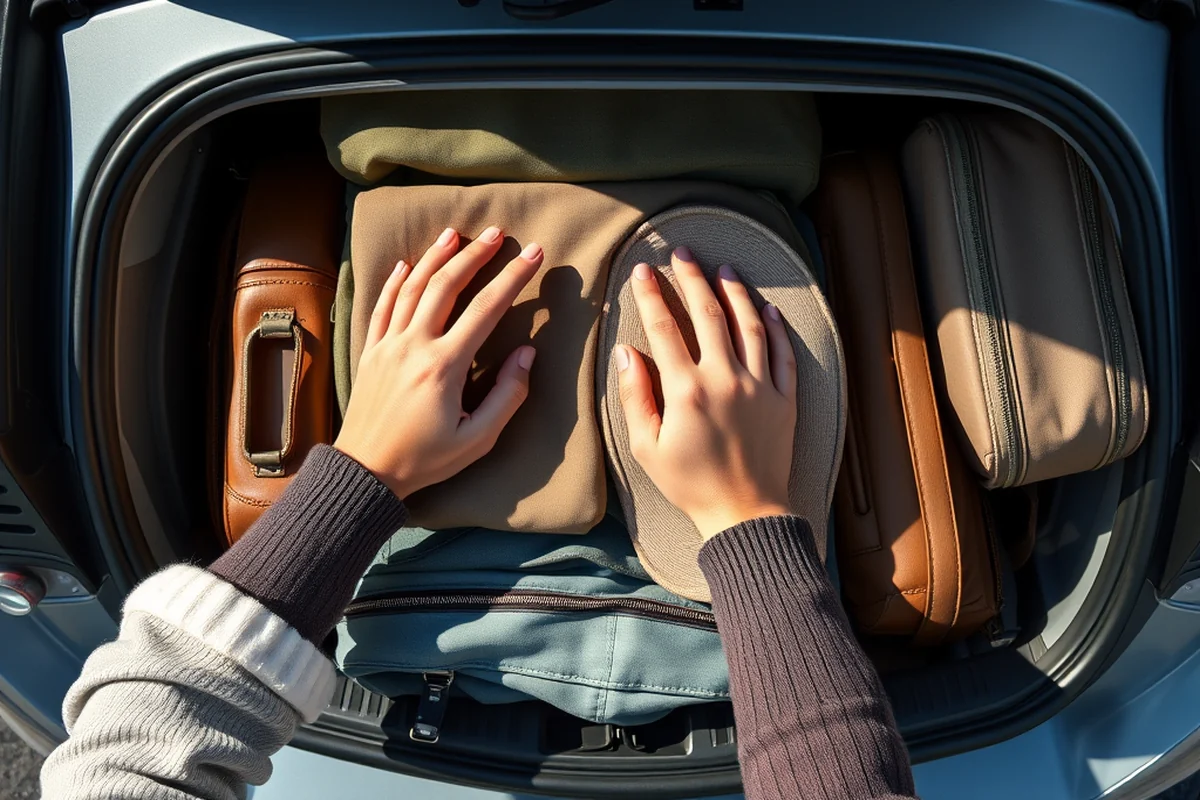
I’ve learned that sticking too rigidly to a plan can sometimes take away from the joy of the journey. One of my favorite scenic drives was when I took a wrong turn and ended up in a small town that was off the beaten path. The people there were warm, the food was amazing, and the views were even more stunning than I had expected.
It’s important to leave room for the unexpected. I’ve found that even the most well-researched itinerary can be enhanced by a spontaneous stop — whether it’s a roadside fruit stand, a local festival, or a hidden waterfall. These unplanned moments often become the highlights of the trip.
I always carry a notebook with me on scenic drives — not for the sake of planning, but for capturing the moments that come along the way. Sometimes, a simple detour can lead to the most unforgettable experiences.
The best stops are the ones you didn’t know you were looking for.
Related: Scenic drives food for beginners
Timing Is Everything
I’ve learned that timing can make or break a scenic drive stop. For example, I once missed out on an incredible sunrise view because I was late getting up — the sun had already risen and the colors were fading. Now, I always plan my stops around the sun’s path, ensuring that I’m there when the light is best.
One of the most stunning places I’ve visited was during the golden hour — the light was so soft and golden that it transformed the entire landscape. I’ve also found that certain stops, like mountain passes, are best visited early in the morning to avoid crowds and enjoy the solitude.
Timing also plays a role in the season. I’ve learned that some of the most dramatic views, like autumn foliage or winter snowscapes, are only visible during specific times of the year. Planning your stops around these seasons can make all the difference in the experience.
Use apps like TimeAndDate or Foliage Tracker to know when the best light or colors will be present at each stop.
“I remember the first time I drove along the Pacific Coast Highway, the wind in my hair and the ocean stretching endlessly on my left.”— Prettyroads editors
Related: Diy scenic drives food
Stay Connected, But Not Too Connected

I used to think that having my phone on during a scenic drive was the best way to capture memories. I’ve learned that sometimes the best way to experience a moment is without any distractions. Now, I use my phone sparingly — for navigation or taking a few photographs — but I try to leave it behind when I’m at a stop.
I’ve also found that disconnecting from technology allows for more meaningful interactions with the landscape and with others. On one of my trips, I left my phone at home and ended up having a deep conversation with a local who shared stories about the area that I would have never heard otherwise.
That said, I do believe in using technology strategically. I always carry a physical map as a backup and use a weather app to check for any changes that might affect my plans. It’s a balance between staying connected and staying present.
Related: Directions one place to another
Leave No Trace and Take Only Memories
One of the most important lessons I’ve learned on scenic drives is the importance of leaving no trace. I’ve seen firsthand how a single discarded bottle or a misplaced campfire can damage the natural beauty of a place. Now, I always carry a reusable bottle, pack out all trash, and avoid disturbing the landscape.
I’ve also learned that some scenic spots are sensitive to foot traffic. For example, I once visited a rare alpine flower field and was told that it was only open for a few weeks each year. Now, I always check with local authorities or rangers to ensure that my visits are respectful and sustainable.
Respecting the environment also means being mindful of wildlife. I’ve found that keeping a safe distance from animals and avoiding loud noises helps them feel comfortable in their habitat. It’s a small step, but it makes a big difference in preserving the beauty of these places for future travelers.
💰 Budget Scenic Drive
Stretch your dollars by focusing on free or low-cost stops, like public parks and roadside viewpoints.
🚗 Long Weekend Getaway
Pack a weekend of adventure — explore a region in two days with a mix of scenic stops and local experiences.
👨👧👦 With Kids
Choose stops that are kid-friendly, like interactive museums or short hiking trails with easy access.
🍂 Off-Season Travel
Experience the beauty of a destination without the crowds — think autumn foliage or winter snowscapes.
💎 Luxury Scenic Drive
Opt for high-end accommodations, private guides, and premium stops that offer unique, exclusive experiences.
| The mistake | Why it happens | The fix |
|---|---|---|
| Packing too many items for the trip. | Too much luggage can make the journey uncomfortable and limit your mobility during stops. | Pack only what you need and use a lightweight, compact backpack for easy access. |
| Ignoring the weather forecast. | A sudden rainstorm or snowfall can disrupt your plans and make certain stops unsafe. | Check the weather before departing and be prepared with appropriate clothing and supplies. |
| Not researching the stops in advance. | Arriving at a stop without knowing what to expect can lead to disappointment or wasted time. | Research each stop ahead of time and plan your itinerary accordingly. |
| Driving too fast to cover too many stops. | Trying to cover too many stops in one day can lead to exhaustion and a lack of appreciation for each one. | Set a realistic pace, and don’t be afraid to skip a stop if it doesn’t align with your journey. |
Related: Making my way downtown
How To Scenic Drives Stops
Related: Get directions from point a to b
Pack Light and Smart for Maximum Flexibility
I’ve learned that packing too much can transform a scenic drive into a logistical nightmare. I always carry a lightweight daypack with essentials like a refillable water bottle, a compact first-aid kit, and a small notebook for jotting down observations or directions. This setup allows me to explore without the burden of heavy luggage or the need to constantly return to my car. It also makes it easier to hike short trails or take a quick detour when the moment feels right.
Having only what I need mentally and physically frees me to be present in the experience. I avoid overpacking by focusing on multi-use items — a quick-dry towel can be both a beach towel and a picnic mat, and a portable power bank keeps my phone charged for photos and maps. This approach not only makes me more agile on the road but also reduces the environmental impact of excess luggage and unnecessary shopping stops.
I’ve traveled from the coastal roads of California to the mountain passes of Colorado with this method, and it’s made a noticeable difference in how I engage with each destination. Light packing means I’m less likely to feel hurried or restricted by my belongings, and more likely to make unexpected discoveries that I wouldn’t have had time for otherwise. It's a small change that has a big impact on the quality of my scenic drive experience.
Common Questions
How do I choose which scenic stops to include?
What should I pack for a scenic drive?
How long should each stop be?
Can I do a scenic drive alone?
References
- A tough question: When should an older driver stop driving? (health.harvard.edu)
Cite this guide
Prettyroads (2026). How To Scenic Drives Stops. https://prettyroads.com/how-to-scenic-drives-stops/
Feel free to cite or share this guide.