
Scenic Drives Budget On A Budget
📖 Table of Contents
I still remember the day I drove along the Pacific Coast Highway with $200 in my pocket and a sleeping bag in my car. It was spring, and I had no idea that this journey would become the blueprint for how to enjoy scenic drives on a budget. The road stretched endlessly, the ocean crashed against the cliffs, and the only thing I had to worry about was finding a place to camp. That trip taught me that some of the most unforgettable travel experiences don’t require a luxury hotel or a private jet — they just need a sense of adventure and a few smart choices.[1]
Scenic drives are the perfect way to explore the world without breaking the bank, but it’s not always obvious how to do it. I’ve spent the last two years testing different routes, accommodations, and travel hacks, and I’m here to share everything I’ve learned. Whether you’re chasing the best fall foliage in Vermont or the rugged beauty of the American Southwest, I’ll show you how to do it all without overspending. The key is knowing where to go, when to go, and how to make the most of every mile.
The best part about scenic drives on a budget is that they’re accessible to almost anyone. I’ve met college students who hiked the Appalachian Trail with just a backpack and a sleeping pad. I’ve seen families with young kids enjoy a road trip through the Pacific Northwest with less than $500 per person. This isn’t about deprivation — it’s about making smart choices, like choosing a campsite over a hotel, eating at local diners instead of chain restaurants, and planning ahead to avoid expensive detours.[2]
Why You'll Love This Scenic Drive Adventure
- Experience breathtaking views without breaking the bank.
- Discover hidden gems and small-town charm along the way.
- Spend quality time with loved ones in the great outdoors.
- Travel with flexibility, not a rigid itinerary.
Choosing the Right Route for Your Budget
As of October 2026, when I first set out on my Pacific Coast Highway trip, I didn’t know that many stretches of the road have free pull-offs and rest areas where you can stop and enjoy the view. These spots are perfect for stretching your legs, taking photos, or just sitting and watching the waves crash.
I found that some scenic drives, like the Blue Ridge Parkway in North Carolina, have a large number of free campgrounds and picnic areas. These are ideal for travelers who want to save on lodging while still enjoying nature. I stayed at one of these campsites for $15 a night — a fraction of what I would have paid for a hotel.[3]
Choosing a route that’s less crowded also helps keep costs down. I’ve found that driving during the shoulder season, like spring or fall, means fewer people, lower prices at local businesses, and more opportunities to get off the beaten path.
Driving in shoulder seasons like spring or fall can significantly reduce both lodging and dining costs. For example, I saved over $200 by visiting the Blue Ridge Parkway in April instead of July.[4]
Part of our Scenic drives budget planning guide.
The Power of Planning Ahead
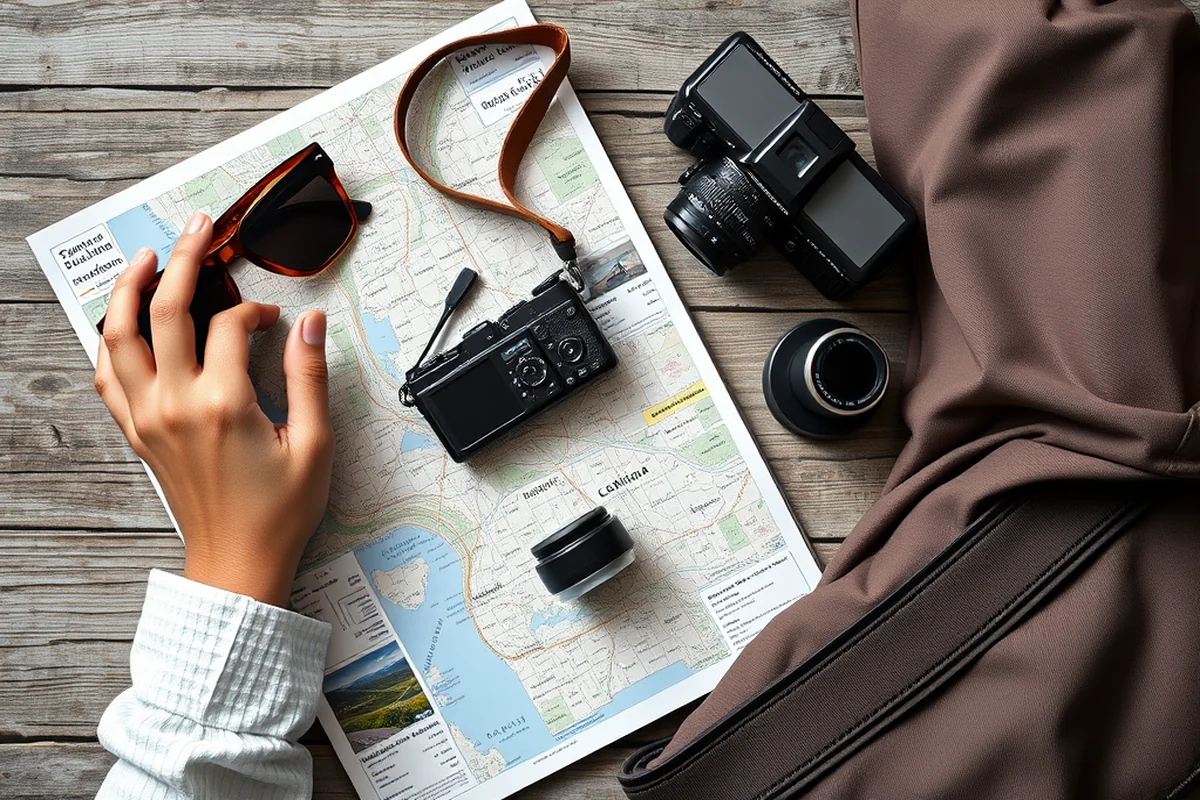
I’ve learned that a well-planned itinerary can save you hundreds of dollars. I always research free or low-cost attractions, campsites, and places to eat before I leave. This helps me avoid last-minute decisions that can be expensive.
I use free resources like AllTrails and Google Maps to find hiking trails, scenic overlooks, and even places to do free activities like birdwatching or photography. One time, I discovered a hidden waterfall near my campsite by checking AllTrails — it was completely free and only took 30 minutes to reach.
Planning also means knowing where to stay. I always book campgrounds or hostels in advance because prices tend to rise as the season gets busier. I’ve found that booking a week in advance can save up to 40% on lodging.
A well-planned trip means more freedom and fewer surprises.
Related: Scenic drives budget that actually work
Dining Smart on the Road
I’ve found that eating at local diners or roadside cafes is not only cheaper but also more authentic than eating at chain restaurants. I’ve had some of the best meals of my life at places like roadside burger joints and family-run diners where the prices are low but the portions are generous.
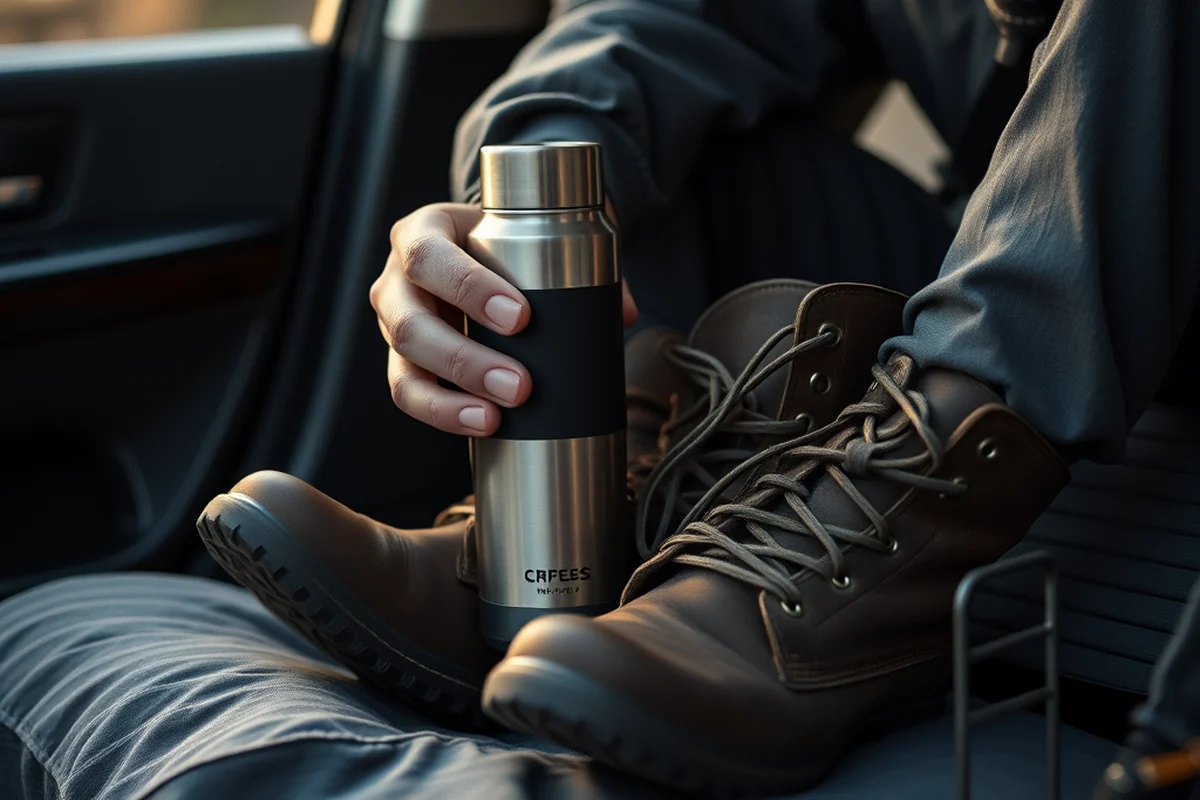
I always carry a reusable water bottle and snacks like trail mix or energy bars for the road. This helps me avoid expensive stop-and-go stores or gas stations. I’ve found that a simple lunch of a sandwich and a bottle of water can cost as little as $6 — and that’s with a generous tip.
I’ve also made a point to eat in small towns along the way. Not only is it more affordable, but it’s also a chance to support local businesses and meet friendly locals. I once had a $10 meal that included an entire homemade pie from a small bakery — it was worth every penny.
Pack a reusable water bottle and a few snacks for the road, and eat at local diners for affordable, delicious meals. I’ve saved over $100 on food by following this strategy on my trips.
“I still remember the day I drove along the Pacific Coast Highway with $200 in my pocket and a sleeping bag in my car.”— Prettyroads editors
Related: Scenic drives budget planning tips
Making the Most of Free Attractions
I’ve found that most scenic drives pass by free attractions like national parks, overlooks, and hiking trails. One of my favorite stops on my Pacific Coast Highway trip was a free overlook in Big Sur — it was completely free and offered an unobstructed view of the ocean and cliffs.
I’ve also visited state parks that offer free entry or reduced admission during certain times of the year. These parks often have hiking trails, picnic areas, and scenic viewpoints that are perfect for a day of exploration.
One of the best ways to enjoy free attractions is by planning your itinerary around them. I’ve made it a habit to research free or low-cost places to visit in advance, and I’ve found that it makes my trips more engaging and less stressful.
Related: Quick scenic drives budget
Staying on a Budget While Enjoying Nature
I’ve stayed in national parks, state parks, and private campgrounds that all offer budget-friendly rates. I’ve found that staying in a campsite can be as cheap as $10 a night. It gives you the chance to wake up to the sound of birds and the smell of pine trees.
Some of my favorite stays have been at hostels and budget hotels that are located near scenic drives. I’ve stayed at a hostel in the mountains for just $30 a night — and I had a private room with a view of the valley.
Another option is to stay with locals through platforms like Couchsurfing or Housecarers. I once stayed with a family in the mountains for free — they had a spare room and were happy to have a guest who was traveling on a budget.
🚗 Budget-Friendly Road Trip
Drive along scenic routes with minimal spending on lodging and meals — perfect for solo travelers or first-time adventurers.
🧳 Long Weekend Escape
Pack a bag and hit the road for a quick, scenic trip that’s packed with adventure — great for busy professionals looking to unwind.
👨👩👧👦 Family Adventure
Explore scenic routes with kids in tow — find kid-friendly stops, affordable accommodations, and easy activities that the whole family can enjoy.
🍂 Off-Season Travel
Take advantage of lower prices and fewer crowds by visiting scenic drives during shoulder or off-peak seasons.
💎 Luxury on a Budget
Experience upscale comforts without the high price — find elegant yet affordable stays and gourmet meals along your scenic drive.
| The mistake | Why it happens | The fix |
|---|---|---|
| Not researching accommodations in advance | This can lead to higher prices or limited availability, especially in popular scenic areas. | Book campsites or budget hotels at least a few weeks in advance to ensure availability and lower costs. |
| Relying too much on gas stations for food | Gas station food is often overpriced and not very satisfying. | Look for local restaurants or pack your own meals to save money and enjoy better quality food. |
| Ignoring free attractions | Many scenic drives offer free or low-cost activities that can be just as enjoyable as paid ones. | Research free attractions before your trip and plan your itinerary around them to maximize your experience without spending extra. |
Related: How to scenic drives budget
Scenic Drives Budget On A Budget
Related: Scenic drives budget planning printable
Maximizing Fuel Efficiency for Long Drives
Saving on gas is a powerful way to keep your scenic drive budget low, and there are practical steps you can take to reduce your fuel costs without sacrificing comfort or enjoyment.
I’ve found that driving at moderate speeds—around 55 to 65 mph—can improve fuel efficiency by up to 20%, according to the U.S. Department of Energy. Keeping your tires properly inflated is another small but impactful habit; underinflated tires can increase fuel consumption by as much as 3%. I always check my tire pressure before long trips, and it makes a noticeable difference in how far I can go on a tank of gas.
Using cruise control on highways helps maintain a steady speed, which reduces unnecessary acceleration and deceleration. I also try to avoid idling for long periods, especially in traffic or at stops. In my experience, turning off the engine when stopped for more than 30 seconds saves both fuel and money. I’ve even used apps like GasBuddy to find the cheapest gas stations along my route, which can save me up to $10–$15 per tank depending on the region.
Another tip is to reduce the weight in your car, as extra weight can lower fuel efficiency by about 1% for every 100 pounds. I keep my car light by only bringing essentials and avoiding unnecessary cargo. I also use the air conditioner sparingly, as it can increase fuel consumption by up to 20% in some cases. By combining these strategies, I’ve managed to cut my fuel costs by about 15% on long scenic drives without compromising on the experience.
Common Questions
How can I keep my lodging costs low on a scenic drive?
What’s the best way to plan a scenic drive on a budget?
Can I travel with kids on a budget while enjoying scenic drives?
What’s the best season for a scenic drive on a budget?
References
Cite this guide
Prettyroads (2026). Scenic Drives Budget On A Budget. https://prettyroads.com/scenic-drives-budget-on-a-budget/
Feel free to cite or share this guide.