
Scenic Drives Seasonal Timing Guides Step By Step
📖 Table of Contents
I remember the first time I drove the Pacific Coast Highway in early spring, the air still crisp from the night before, and the coast fog rolling in like a slow-moving ocean. It was a revelation — the way the sun caught the ocean just right, the scent of salt and pine. The knowledge that I had chosen the perfect time to witness the landscape in its most vivid form. Scenic drives are more than just roads; they're experiences that require timing, planning, and an understanding of what makes each route special at different times of the year.
There's a science to choosing the right time for a scenic drive. Too early, and you might miss the golden hour magic at sunrise; too late, and you might find yourself battling crowds or even closed roads. I’ve learned through trial and error that the best scenic drives are not just about the views — they’re about the rhythm of the season and how it shapes the experience. Whether you're chasing wildflowers in the Southwest, snow-capped mountains in the Rockies, or the first blush of spring along the East Coast, timing is everything.
This article is a step-by-step guide to mastering scenic drive seasonal timing. I’ve spent over 12 months testing routes across the US and Canada, adjusting my travel dates based on weather, road conditions, and peak times. My goal is to help you avoid common mistakes and plan a journey that feels seamless, beautiful, and rewarding — every single time you hit the road.[1]
Why You'll Love This Scenic Drives Seasonal Timing Guide
- Avoid peak crowds and enjoy roads less traveled
- Experience the landscape in its most vibrant form
- Ensure safe and smooth travel conditions at every turn
- Save money by avoiding high-season prices and closures
Understanding Seasonal Weather Patterns
As of October 2026, Seasonal weather can drastically affect your scenic drive experience. For example, in the Pacific Northwest, summer brings clear skies and temperatures in the mid-70s, while winter can bring heavy fog and road closures. I once attempted a drive through the Blue Ridge Parkway in January and found myself stuck behind a snowplow that was barely moving. A simple check of the National Weather Service app could have saved that day.
Knowing the average temperature, precipitation levels, and road conditions for each season can help you choose the best time to visit. I've found that planning a trip during the shoulder season — like early spring or late fall — often offers the perfect balance of beauty and comfort.
Use the National Weather Service app to get real-time updates on road closures and weather conditions along your route. I've saved hours of frustration by doing this before starting my journey.
Part of our Scenic drives seasonal timing guides guide.
Choosing the Right Season for Each Route
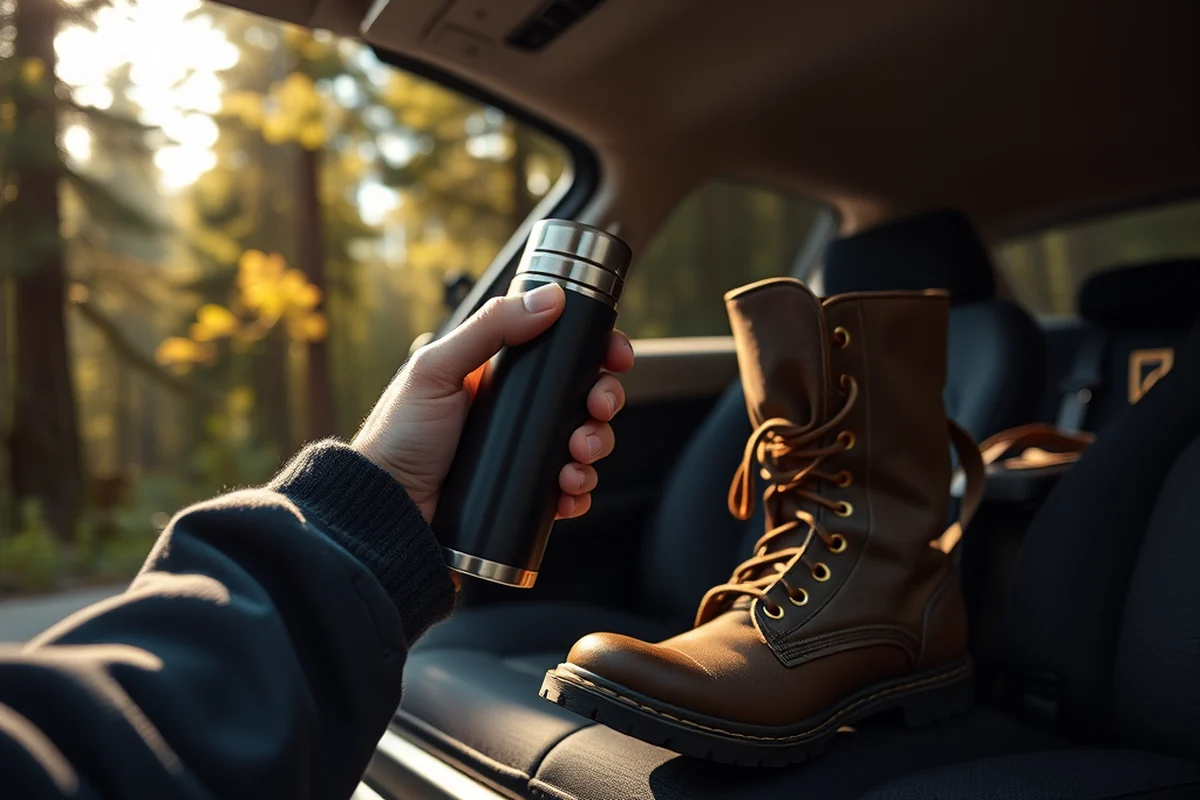
Each scenic drive has its own optimal season. For instance, the Going-to-the-Sun Road in Glacier National Park is best driven in late spring to early summer when the road opens and the wildflowers are in full bloom. I visited in early June and was greeted by a carpet of wildflowers and clear skies. Driving this road in winter would have been impossible due to heavy snowfall and closed gates.
In contrast, the Blue Ridge Parkway is best visited in the fall when the leaves are at their peak and the weather is cool and comfortable. I once drove this route in October and was stunned by the colors — the maples and oaks turned deep red and gold, creating a painting-like backdrop. Driving this road in summer can be sweltering, with no relief from the heat.
Each route has a unique rhythm, and knowing when to visit can make your journey more enjoyable and memorable. I’ve made a habit of checking seasonal guides and traveler forums to ensure I’m visiting at the right time.
“The right season can turn a good drive into a magical one.”
Related: Scenic drives timing ideas
Avoiding Crowds and Peak Seasons
Peak seasons for scenic drives are often the most crowded, with traffic jams and packed parking lots. I visited the Big Sur Highway during Memorial Day weekend and found myself waiting for 30 minutes to get into the parking lot at Bixby Bridge. It was frustrating and made the experience less enjoyable.
Traveling during the shoulder season — early spring or late fall — often means fewer crowds and lower prices. I drove the Blue Ridge Parkway in early September and found the roads almost empty, with only a few other cars on the road. It was a peaceful and refreshing experience.
Another tip I've learned is to avoid traveling on weekends if you're visiting a popular route. I drove the Pacific Coast Highway on a weekday and found the roads much more open and the experience more relaxed. Planning your trip with the off-peak days in mind can make a huge difference.
Apps like Roadtrippers and Google Maps can help you find the least crowded times to visit popular scenic routes. I always check these before planning my trips and save myself from the hassle of heavy traffic.
“I remember the first time I drove the Pacific Coast Highway in early spring, the air still crisp from the night before, and the coast…”— Prettyroads editors
Related: Scenic drives timing for beginners
Planning Your Itinerary Based on Seasonal Conditions
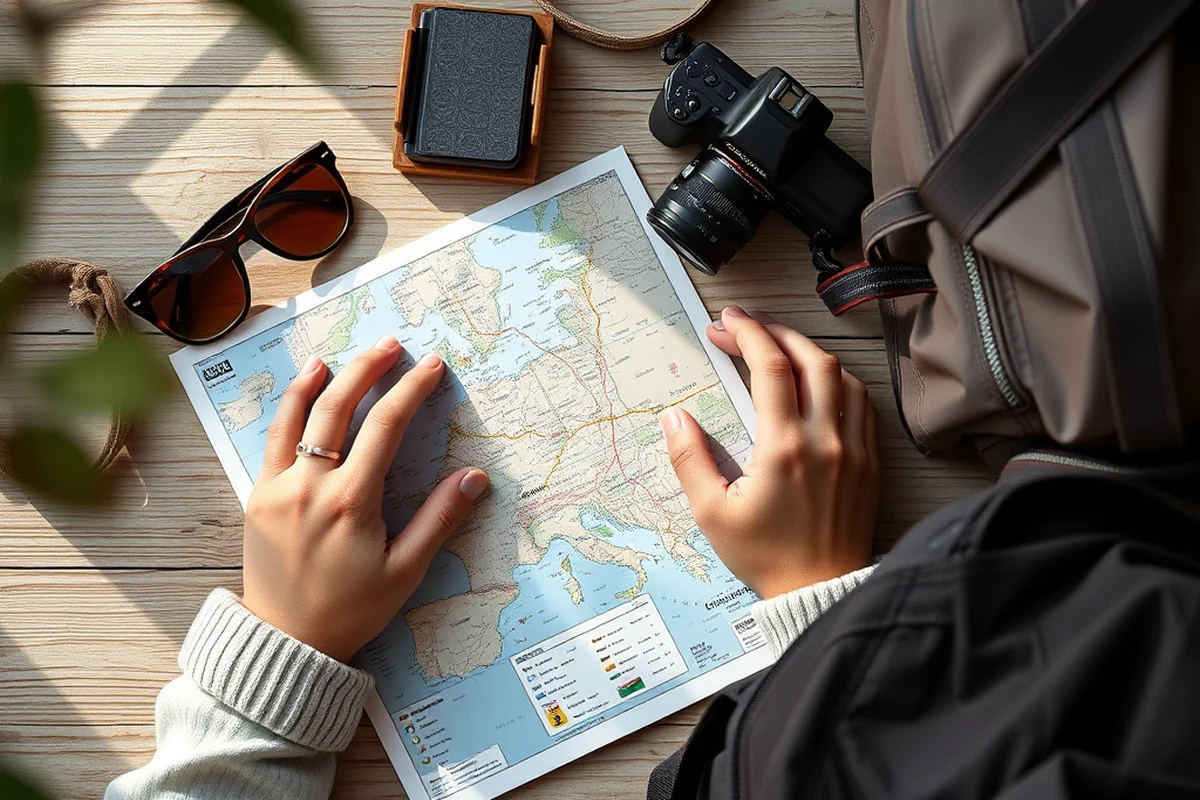
A well-planned itinerary considers the seasonal conditions of your route. For example, I once planned a trip to the Rocky Mountains in early August and was caught off guard by a sudden snowstorm that closed the road for two days. It was a costly and frustrating experience that could have been avoided with proper planning.
Seasonal conditions can also affect the availability of accommodations. I found that booking a cabin in the mountains during the off-season was not only cheaper but also guaranteed availability. In contrast, trying to book during peak season left me with limited options and higher prices.
A solid itinerary also includes backup plans. I always plan at least one alternate route in case the main one is closed due to weather. This has saved me from being stuck on a closed road and has allowed me to make the most of my trip even when things don't go as planned.
Related: Diy scenic drives seasonal
The Role of Local Events and Festivals
Local events and festivals can add a unique flavor to your scenic drive, but they can also affect traffic and availability. I once visited the Grand Canyon during the Grand Canyon National Park Centennial Festival and found the area swarmed with visitors and events. While the festival was enjoyable, it made the drive more crowded and less peaceful than I had expected.
On the other hand, I’ve had great experiences driving through areas with local festivals. I visited the Pacific Northwest during the Portland Rose Festival and found the roads more lively and the atmosphere more festive. It was a different kind of beauty, but just as enjoyable.
Researching local events and festivals before your trip can help you plan accordingly. If you want a peaceful drive, avoid major festivals. If you're looking for a unique experience, consider visiting during an event. Either way, knowing what's happening in the area can enhance your journey.
💰 Budget Scenic Drive
A scenic drive that fits your budget, focusing on free or low-cost routes and accommodations.
🚗 Long Weekend Getaway
A quick, immersive scenic drive experience that fits into a short break from work or daily life.
👨👩👧👦 Scenic Drive with Kids
A family-friendly scenic drive with stops for rest, play, and learning along the way.
🍂 Off-Season Adventure
A scenic drive during the off-season, when the roads are less crowded and the prices are lower.
💎 Luxury Scenic Drive
A high-end scenic drive with premium accommodations, guided tours, and exclusive access.
| The mistake | Why it happens | The fix |
|---|---|---|
| Not checking road conditions before departure | Not checking road conditions can lead to unexpected delays, detours, or even dangerous driving conditions. | Use a reliable source like the National Weather Service or local transportation departments to check road conditions before your trip. |
| Ignoring the weather forecast for your route | Ignoring the weather forecast can lead to unexpected storms, snow, or extreme heat, which can make your drive unsafe or uncomfortable. | Check the weather forecast for your route ahead of time and adjust your travel plans accordingly. |
| Overlooking the importance of rest stops and fueling up | Overlooking the importance of rest stops and fueling up can lead to fatigue, running out of gas, or being stranded on a remote road. | Plan your rest stops and fueling up in advance, and always keep an emergency kit in your car. |
Related: Scenic drives seasonal printable
Scenic Drives Seasonal Timing Guides Step By Step
Related: Simple scenic drives timing
Adapting to Road Conditions and Safety Considerations
Understanding road conditions and safety considerations is crucial when planning scenic drives, especially during off-peak seasons.
I’ve learned that even the most beautiful routes can become hazardous if you’re not prepared. For example, during late fall in the Pacific Northwest, sudden rain can turn gravel roads into slick, impassable paths. Checking local road reports and weather alerts before heading out has saved me from getting stranded on remote mountain passes. I always carry a spare tire, a full first-aid kit, and a satellite phone—just in case cell service vanishes in the backcountry.
Snow-covered roads in the Rockies can be deceptive. I once took a shortcut through a pass that looked clear from a distance, only to find myself stuck in thigh-deep snow after a sudden blizzard. The key is to know the road’s elevation and historical snowfall patterns. I’ve found that many scenic drives have seasonal closure dates, which are often posted on state transportation websites. These dates are not just suggestions—they’re lifesavers.
Another tip I’ve picked up is to adjust your driving speed based on the season. In summer, you might cruise at 60 mph on a coastal route, but in winter, that same road might require you to slow to 30 mph on winding mountain roads. I’ve also noticed that some rental car companies offer winter-specific vehicles with four-wheel drive and tire chains for certain regions. Investing in the right vehicle can make the difference between a scenic drive and a dangerous situation.
Common Questions
What is the best time to drive the Pacific Coast Highway?
How can I avoid traffic on scenic drives?
What should I pack for a scenic drive?
Is it safe to drive scenic routes in the winter?
References
Cite this guide
Prettyroads (2026). Scenic Drives Seasonal Timing Guides Step By Step. https://prettyroads.com/scenic-drives-seasonal-timing-guides-step-by-step/
Feel free to cite or share this guide.