
Scenic Drives Timing Checklist
📖 Table of Contents
There’s a certain magic that happens when the sun dips just right over the mountains, casting long shadows across a winding road. I remember one such moment on a drive through the Colorado Rockies — the way the light turned the pine trees into silhouettes against the sky. The air smelled just like pine and fresh snow. That’s when I realized the importance of timing on a scenic drive. If you’re not there when the light is perfect, you might miss the entire experience.
I’ve spent years planning trips, testing different routes and times of day to see what works best. What I’ve learned is that the best scenic drives aren’t just about the destination — they’re about the rhythm of the journey, the moments you capture. The way the landscape changes with the time of day. A checklist that helps you time your journey perfectly can turn a good drive into an unforgettable one.
This is my scenic drives timing checklist — a guide built from real experiences, real roads, and real moments. Whether you’re planning a weekend escape or a longer journey, this checklist will help you maximize your time, avoid the pitfalls of bad timing. Ensure that when you hit the road, you hit it at the right moment.
Why You'll Love This Scenic Drives Timing Checklist
- Avoid crowds by timing your drive during off-peak hours
- Catch the best light for photography during sunrise or sunset
- Plan rest stops that align with your energy levels and the road’s rhythm
- Create a seamless, enjoyable journey with minimal stress
Why Timing Matters on a Scenic Drive
As of August 2026, the difference between a great scenic drive and a forgettable one often comes down to timing. Arriving at a popular viewpoint just as the last tourist leaves is vastly different from being there when the sun is at its peak. I’ve learned this the hard way — once, I arrived at a lake at midday and missed the golden hour, which made the photos look flat and lifeless.
Timing also affects the weather. In mountainous regions, temperatures can drop rapidly by late afternoon, turning a comfortable drive into a chilly one. I’ve found that driving between 10 a.m. And 2 p.m. Often gives the best balance of light and warmth, especially in spring.
Finally, timing affects the people you meet. Arriving early in the morning means fewer cars, fewer people, and a more peaceful journey. It’s also a great time to enjoy a hot coffee at a roadside café before the rush of the day begins.
If you can, aim to start your scenic drive between 7 a.m. and 9 a.m. This gives you the best chance of avoiding the midday crowds and enjoying the landscape at its most peaceful.
Part of our Scenic drives seasonal timing guides guide.
Golden Hour: The Best Time to Capture the Moment

Golden hour — that magical time between sunrise and mid-morning, and between mid-afternoon and sunset — is when the light on a scenic drive is at its most beautiful. I remember one golden hour on a drive through Big Sur, where the light turned the cliffs into a glowing silhouette against the sky, and the water below reflected the colors perfectly.
This is the time when the sun is low, casting long shadows and creating a warm, golden glow. It’s not just good for photos — it also makes the entire experience feel more magical. The air is often cooler, the sky is clearer, and the colors of the landscape are more vivid.
I’ve found that planning your stops during golden hour can transform a drive into a visual masterpiece. For example, during a trip to the Pacific Coast Highway, I timed my stops to match the golden hour and was able to capture images that felt like a painting.
Golden hour is when the landscape comes alive — don’t miss it.
Related: Budget scenic drives seasonal
Related: Best scenic drives seasonal
Related: Scenic drives seasonal for beginners
Related: Simple scenic drives seasonal timing guides
Related: Best scenic drives seasonal timing guides
Avoiding Crowds: The Power of Timing
Crowds can turn a scenic drive into a stressful and overcrowded experience. I’ve been to places where the roads were packed with tourists, making it nearly impossible to enjoy the views. But by timing your drive right, you can avoid these crowds and enjoy the road in peace.
One of the best ways to avoid crowds is to arrive early — before 8 a.m. — or to drive in the late afternoon, after most people have left. I’ve found that driving between 10 a.m. And 2 p.m. Is often a good middle ground, as it balances the light and the number of people on the road.[1]
Another tip is to avoid weekends and holidays. I’ve noticed a significant difference in the number of cars on the road on a weekday versus a Saturday. Planning your drive on a weekday can save you from the hassle of crowds and make the journey more enjoyable.
Use a calendar or local event planner to avoid holidays and weekends. These are the most crowded times for scenic drives, and the best times to avoid are weekdays and early mornings.
“There’s a certain magic that happens when the sun dips just right over the mountains, casting long shadows across a winding road.”— Prettyroads editors
Weather and Season: Planning Around the Elements
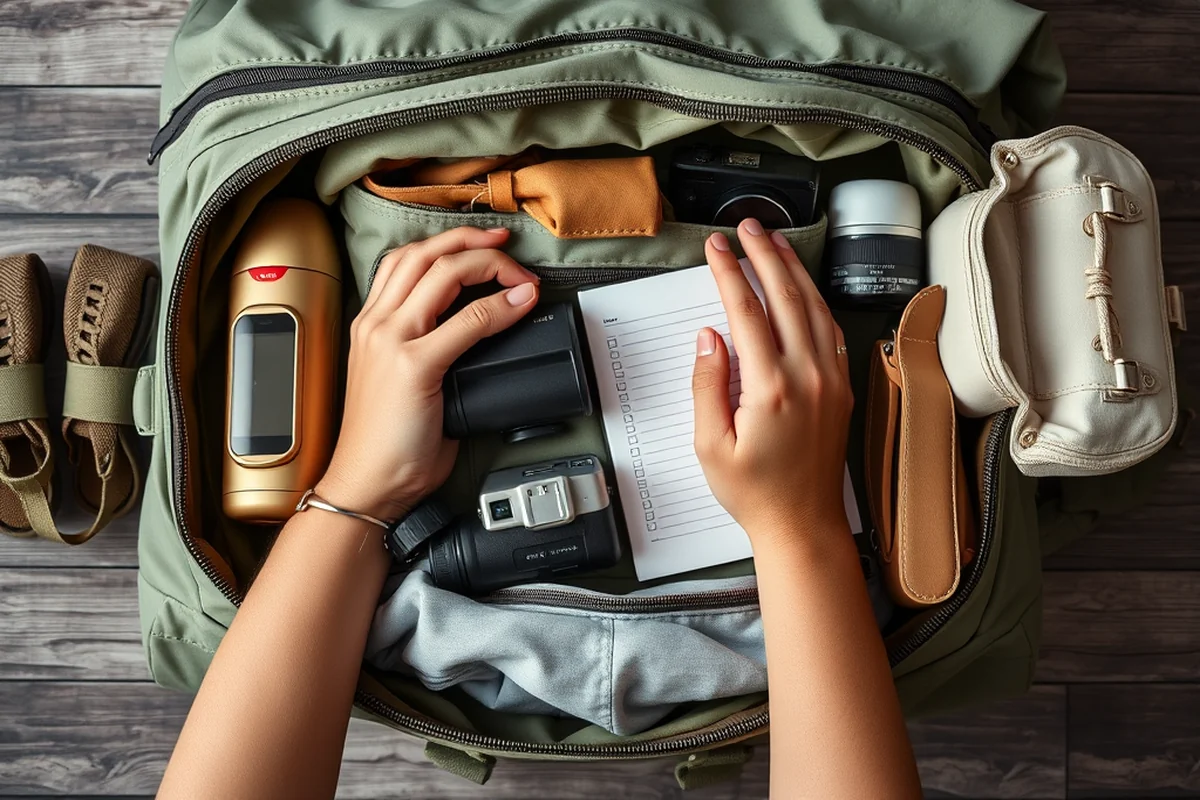
The best time to take a scenic drive depends on the season. In spring, for example, the roads are often clearer, the weather is milder, and the landscapes are at their most colorful. I’ve found that the months of April through June are ideal for driving through mountainous regions, as the snow has melted and the wildflowers have begun to bloom.
However, in the summer, the weather can be more unpredictable. I’ve had to turn back from a drive in the Rockies because of sudden thunderstorms. In the fall, the colors are incredible, but the temperatures can drop quickly. And in the winter, the roads can become dangerous due to snow and ice.
It’s important to research the weather patterns in the area you’re driving through. I’ve used apps like Weather.com and Road Conditions to plan my trips and avoid unexpected weather that could ruin the experience.[2]
Rest Stops and Rhythm: Aligning Your Energy with the Road
A scenic drive is not just about the views — it’s also about the rhythm of the journey. I’ve found that taking rest stops at the right times can make a huge difference in how much you enjoy the drive. For example, stopping for a quick walk or a snack after two hours of driving can help you reset your energy and enjoy the next part of the journey more fully.
I’ve tested different rest stop intervals, and I’ve found that stopping every 2 to 3 hours is ideal. It keeps you from getting too tired, and it gives you time to take in the surroundings. I also like to plan my stops around the time of day — for instance, stopping for lunch at midday or having a snack in the late afternoon.
Timing your rest stops with your body’s natural rhythms can also help. If you’re an early riser, you might prefer to take a break in the morning. If you’re a night owl, you might prefer to take a break in the evening. Either way, the key is to listen to your body and plan your stops accordingly.
🚗 Budget Road Trip
A cost-effective way to explore scenic routes by driving through less expensive regions and camping along the way.
🌅 Long Weekend Escape
A short but fulfilling trip that fits into a weekend, focusing on major scenic routes and key viewpoints.
👨👩👧👦 Scenic Drive with Kids
A family-friendly trip that includes easy stops, picnic spots, and activities to keep children engaged.
🍁 Off-Season Adventure
A unique way to experience scenic routes during the off-season, when the roads are less crowded and the views are different.
🚙 Luxury Scenic Drive
A high-end trip that includes premium accommodations, private tours, and exclusive access to scenic viewpoints.
| The mistake | Why it happens | The fix |
|---|---|---|
| Not researching the weather before the drive. | Unexpected weather can make the journey dangerous or even impossible, especially in mountainous or coastal regions. | Use a weather app or check local forecasts to plan your trip around the best conditions. |
| Arriving at a popular viewpoint at the wrong time of day. | Arriving in the middle of the day can mean you miss the best light and have to deal with crowds. | Plan your stops around golden hour to capture the best light and avoid the busiest times. |
| Driving without rest stops. | Driving for too long without rest can lead to fatigue, which can affect your safety and enjoyment of the drive. | Plan rest stops every 2 to 3 hours to stay alert and refreshed. |
| Ignoring the rhythm of the drive. | Ignoring your body’s natural rhythms can lead to burnout and a less enjoyable journey. | Align your rest stops and schedule with your energy levels and the time of day. |
Scenic Drives Timing Checklist
Common Questions
What is the best time of day to take a scenic drive?
How long should a scenic drive last?
What should I pack for a scenic drive?
How can I avoid getting lost on a scenic drive?
References
- Driver License Manual - NDDOT (dot.nd.gov)
- initial study/ environmental checklist - City of Santa Barbara (santabarbaraca.gov)
Cite this guide
Prettyroads (2026). Scenic Drives Timing Checklist. https://prettyroads.com/scenic-drives-timing-checklist/
Feel free to cite or share this guide.