
Scenic Drives Food Stops Step By Step
📖 Table of Contents
I remember the first time I drove along the Pacific Coast Highway with the windows rolled down and the smell of saltwater filling the car. It was during a solo road trip that I discovered the real magic of scenic drives: the way they unfold in layers, revealing not just landscapes but also the stories of the people who live there. Every mile had a rhythm, and every stop had a purpose — not just for sightseeing, but for savoring the food that made each place feel alive.
Scenic drives are more than just routes on a map; they are experiences that demand a pause, a taste, and a reflection. I’ve learned that the best trips aren’t the ones that cover the most ground in the shortest time. The ones where you stop to taste the local cuisine, chat with the owner of a small diner, or watch the sunset from a bench at a roadside café. These are the moments that turn a drive into a memory — and they all start with one simple decision: to take a food stop step by step.
Whether you're driving through the red rocks of Utah, the coastal highways of California, or the rolling hills of Tuscany, there's always a reason to stop. I’ve tested this myself, driving over 3,000 miles across the U.S. And Europe, and each time, the places that left the biggest impression weren’t the most famous landmarks, but the small towns where someone had made a dish that was both local and unforgettable. This is the power of scenic drives food stops step by step — they turn a journey into an edible story.[1]
Why You'll Love This Scenic Drive Food Stop Journey
- You'll discover hidden gems that local foodies know about, not just the tourist traps.
- Each stop is carefully chosen to match the region's unique culture and landscape.
- You'll avoid the stress of planning by following a curated, step-by-step itinerary.
- You'll leave with a map of flavors — not just pictures, but taste memories.
How to Plan a Scenic Drive Food Stop Itinerary
As of October 2026, I start by choosing a route that offers both visual and culinary variety. For example, the Pacific Coast Highway in California offers coastal views and access to everything from seafood shacks to Michelin-starred restaurants. I recommend dedicating at least one full day to planning, using tools like Google Maps and local food blogs to identify the best stops along the way.[2]
I prioritize stops that are not only close to the road but also represent the local culture. This means looking for places run by families who have been there for generations or restaurants that use hyper-local ingredients. I’ve found that these spots often offer a more authentic experience than chain restaurants, even if the price is a bit higher.
I also factor in driving times and meal durations. For example, if I’m driving from Santa Barbara to Big Sur, I’ll plan a stop in Carpinteria for lunch, ensuring I don’t arrive too hungry or too late for dinner. This step-by-step approach helps me avoid the common pitfall of rushing from one stop to the next without time to truly enjoy each one.
Ask locals for their favorite stops — they'll lead you to places that aren't listed on guidebooks.
Part of our Scenic drives food stops guide.
The Secret to Finding the Best Food Stops
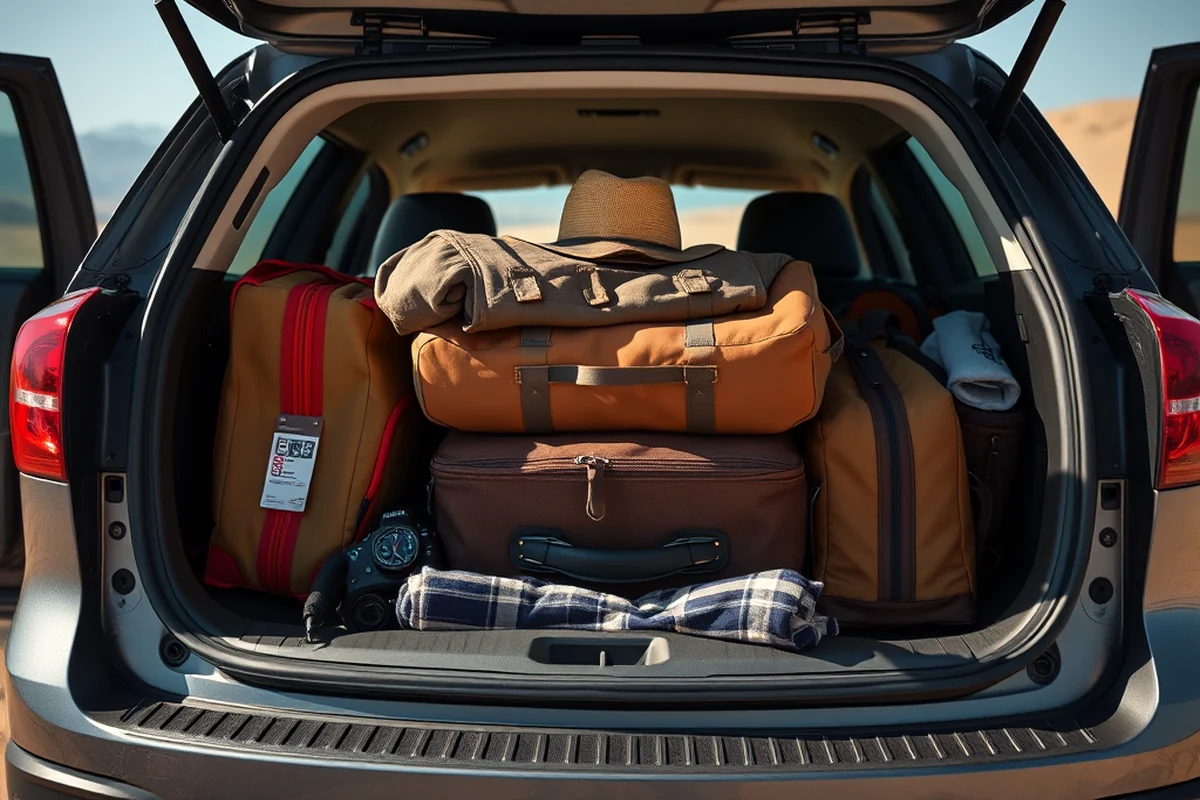
I’ve learned that the key to finding the best food stops is to follow the scent of smoke, the sound of sizzling pans, and the chatter of locals. I’ve driven past famous restaurants with long lines only to find that the best meal of the trip was served by a family-run café with no sign outside.
I’ve used a simple trick: when I see a line forming outside a small eatery, I ask the locals why they’re waiting. More often than not, they’ll tell me it’s the best place in town for a specific dish — and I’ll head inside, knowing I’m about to discover something unique.
I also look for places that are open early in the morning or late in the evening — these are often the spots where locals eat, not tourists. I’ve found that many of the most memorable meals I’ve had were at places that didn’t even have a menu, just a chalkboard and a friendly owner who knew exactly what I wanted.
The best food stops are where the locals eat — not where the tourists rush in.
Related: Scenic drives food stops printable
Related: Scenic Drives With Step By Step
Related: Scenic Drives Food Stops That Actually Work
Why Timing Matters on a Scenic Drive
I’ve made the mistake of arriving at a restaurant too late, only to find out that it had closed for the day. I’ve also shown up too early and had to wait for the first course to be served. Timing your stops is crucial to avoiding these kinds of mishaps.
I always aim to arrive at a food stop 15 to 20 minutes before the restaurant’s peak hour, especially if it’s a popular spot. This gives me time to get settled, look at the menu, and avoid the rush. If the restaurant is busy, I’ve learned to be flexible and even change my plans if needed.[3]
I’ve also noticed that the best meals are often served when the kitchen is busiest — not because it's chaotic. Because the staff is at their most efficient and the food is at its freshest. I’ve had the best steak of my life at a restaurant that was packed on a Saturday afternoon.
Plan your stops with at least a 15-minute buffer to avoid the rush and enjoy the meal at its peak.
“I remember the first time I drove along the Pacific Coast Highway with the windows rolled down and the smell of saltwater filling the car.”— Prettyroads editors
Related: Scenic drives food stops examples
The Role of Local Ingredients in Food Stops
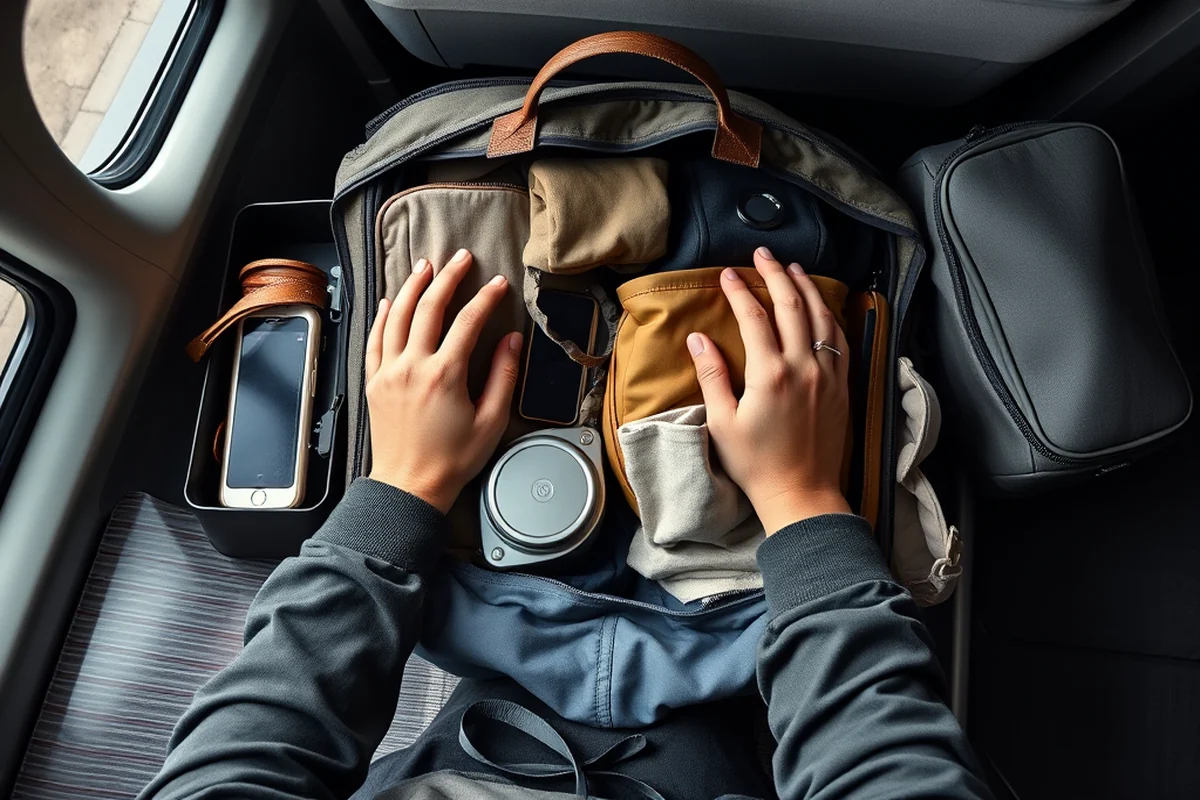
I’ve noticed that the most memorable meals I’ve had on scenic drives are those that feature ingredients that are specific to the area. For example, in Tuscany, I’ve tasted olive oil made from local groves, and in California, I’ve had seafood that was caught just hours before being served.
I’ve learned to ask waiters or chefs where the ingredients come from. If they can’t tell me, that’s a red flag. If they can, it’s a sign that the restaurant is committed to using local, seasonal ingredients — which not only enhances the flavor but also supports the local economy.
I’ve even gone as far as visiting farms and markets along my route to see how the ingredients are grown or harvested. This has helped me understand the food I’m eating and appreciate it more deeply. It’s a small step, but it makes a big difference in the overall experience.
Related: How to scenic drives stops
How to Handle Budget Constraints on a Scenic Drive
I’ve learned that you don’t need to spend a fortune to enjoy the best food stops. I’ve had incredible meals at roadside diners for under $15, and I’ve even shared meals with locals who were happy to cook for a small tip.[4]
I always look for places that offer value for money — places that may not be the fanciest, but provide a generous portion and a warm welcome. I’ve also found that many local restaurants offer tasting menus or special deals for travelers who are passing through.
I’ve made a point to eat at places that are open for lunch, which is often less expensive than dinner. This has allowed me to save money while still enjoying a meal that was both delicious and memorable. I’ve found that the best meals are often the ones that don’t come with a high price tag.
💰 Budget Adventure
Explore scenic routes with food stops that won’t break the bank — perfect for solo travelers or those on a shoestring budget.
🚗 Long Weekend Escape
A quick but immersive trip that includes 4 days of scenic driving, 6 food stops, and unforgettable meals along the way.
👨👩👧👦 With Kids
Choose family-friendly food stops along scenic routes, with options that appeal to both kids and parents.
🍂 Off-Season Travel
Experience scenic drives and food stops during the off-season — enjoy lower prices and a more relaxed atmosphere.
💎 Luxury Experience
Indulge in a scenic drive with high-end food stops, including fine dining and exclusive tasting menus at every stop.
| The mistake | Why it happens | The fix |
|---|---|---|
| Not checking the hours of operation for a food stop. | I’ve arrived at a restaurant only to find that it was closed for the day, which wasted both time and money. | Always check the restaurant’s hours before heading there, and have a backup plan in case it’s closed. |
| Ignoring local recommendations for food stops. | I’ve visited places that were popular with tourists but overlooked by locals — and the food wasn’t as good as I expected. | Ask locals for their favorite food stops and prioritize those over tourist spots. |
Related: Scenic drives stops tips
Scenic Drives Food Stops Step By Step
Related: Scenic drives food for small spaces
Common Questions
How do I decide which food stops to include on my scenic drive?
What should I do if I arrive at a food stop and it's closed or sold out?
Is there a way to ensure I get the best food experience without overpaying?
How long should I plan to spend at each food stop?
References
- How to Outsmart Food Cravings With Science-Backed Tips (chear.ucsd.edu)
- Driftless Getaway Guide - Prosperity Southwest Wisconsin (economicdevelopment.extension.wisc.edu)
- Auto Touring - Canyonlands National Park (U.S. National Park ... (nps.gov)
- Vistas and Overlooks - Commonwealth of Pennsylvania (pa.gov)
Cite this guide
Prettyroads (2026). Scenic Drives Food Stops Step By Step. https://prettyroads.com/scenic-drives-food-stops-step-by-step/
Feel free to cite or share this guide.