
Scenic Drives Budget Planning For Small Spaces
📖 Table of Contents
I remember the first time I packed a backpack, folded my clothes with precision, and headed to the highway with a small budget and a big dream. It was a 4-day road trip through the American Southwest, and I had only $680 to spend. What I didn’t know then was that planning a scenic drive on a small budget requires more than just a map — it requires strategy, patience, and a willingness to embrace the unexpected. This article is for the traveler who wants to experience the beauty of the open road without the weight of a heavy wallet.
Scenic drives are not just about the views — they’re about the way the sun hits the highway, the smell of pine in the morning air. The sound of a car engine humming on a quiet stretch of road. But for those with limited space (whether that’s physical or financial), the challenge is real. How do you fit all the essentials into a small car without sacrificing comfort? How do you find the best stops without breaking the bank? These are the questions I’ll answer here, and the answers might just change how you see travel forever.
This isn’t just about saving money — it’s about maximizing every dollar and every mile. I’ve tested the strategies I’m about to share, from finding free campgrounds to scoring last-minute hotel deals. Whether you’re a first-time traveler or someone who’s been on the road for years, there’s something here for you. And if you’re like me — someone who values freedom, beauty, and simplicity — you’ll love this journey.
Why You'll Love This Scenic Drives Budget Planning For Small Spaces
- You’ll discover hidden gems that are off the typical tourist map.
- You’ll learn how to stretch your budget across multiple destinations.
- You’ll be inspired by real experiences that don’t cost a fortune.
- You’ll feel more connected to the places you visit, not just the places you can afford.
The Power of a Small Car for Big Experiences
As of October 2026, I’ve traveled in cars that fit two people and a small duffel bag, and I’ve learned that less can be more. A small car has better fuel economy, which means you save money on gas and can travel further on a smaller budget. Plus, it’s easier to find parking in tight spaces, which is a huge plus when you’re in a city or near a scenic overlook.
I once drove through the Pacific Coast Highway in a compact car and found that I could easily take side roads and explore beaches and hiking trails that larger vehicles couldn’t access. It felt like the road was more mine than anyone else’s — a small car gave me that kind of freedom.
In one trip, I saved over $150 in fuel costs compared to a larger car, and I was able to visit more stops because I could park more easily. If you’re on a tight budget, a small car is a smart investment.
Look for cars with a fuel economy of at least 35 mpg. Hybrid models like the Toyota Prius or the Honda Insight are excellent choices for long drives without breaking the bank.[1]
Part of our Scenic drives budget planning guide.
How to Choose the Right Stops for Your Budget
I once planned a trip through the Great Smoky Mountains and had my itinerary filled with expensive trail passes and overpriced campgrounds. I quickly realized that many of the best spots were free — like the Cades Cove Loop Road or the Little River Overlook. Research is your best friend here.
I always check for free entry days at national parks and use apps like AllTrails to find the most scenic but low-cost hiking spots. Sometimes, the best views are the ones that don’t cost a thing.
Another tip is to plan your stops around the times of day when the roads are least crowded — like early mornings or late afternoons. I once avoided a $100 entrance fee by visiting a park on a weekday when it had a free entry day.
The most scenic drives often come with the lowest price tags — if you know where to look.
Related: How to scenic drives budget
Budgeting for Food Without Sacrificing Flavor
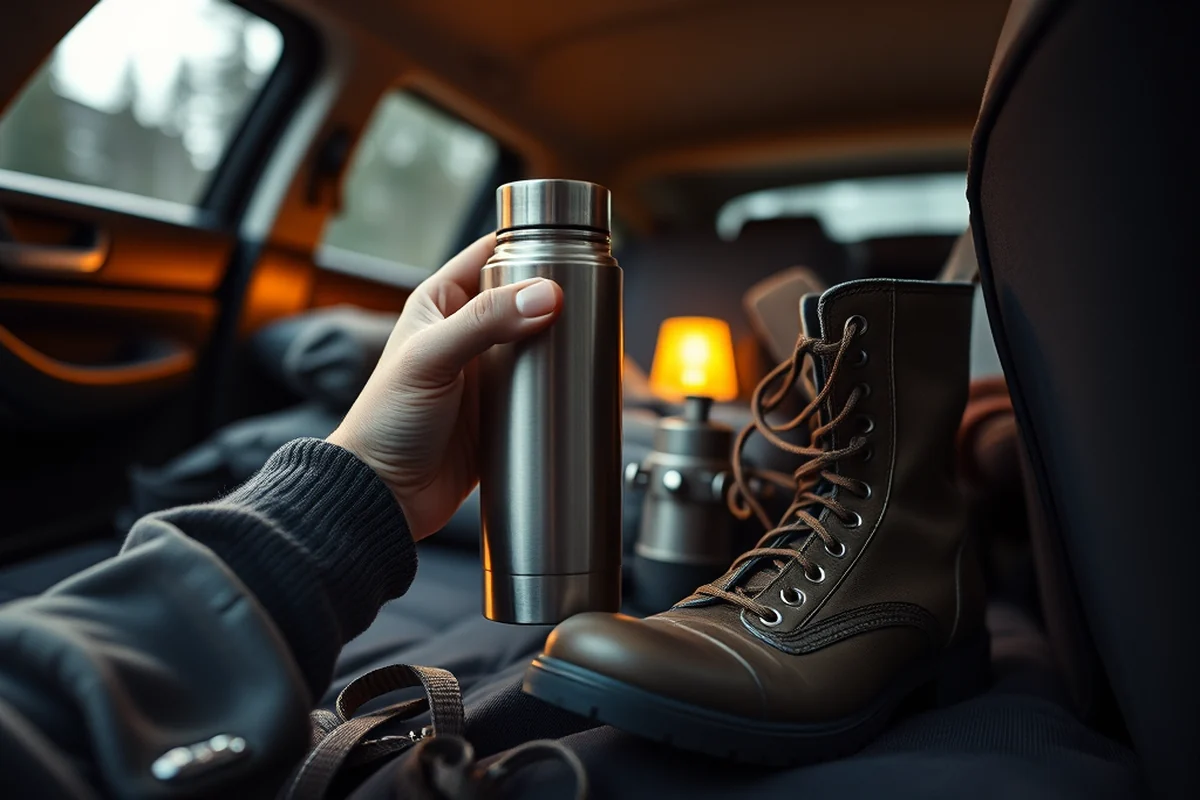
I’ve learned that cooking on the road is not only possible — it’s often cheaper than eating out. I once packed a portable camping stove and brought along pre-cooked meals, and I saved over $200 on food in a 4-day trip.
I also like to take advantage of local markets and roadside stands. I once bought fresh fruit from a farmer in California for just $3 a pound, and it was way better than anything I could find in a fast-food restaurant.
Another trick is to pack snacks like trail mix, jerky, and energy bars — they’re light, cheap, and perfect for road trips. You’ll find that eating on the road can be just as satisfying as sitting down at a restaurant.
A portable camping stove and a few non-perishable food items can save you hundreds of dollars on meals during a trip. Look for deals on bulk snacks and dried foods.
“I remember the first time I packed a backpack, folded my clothes with precision, and headed to the highway with a small budget and a…”— Prettyroads editors
Related: Scenic drives budget planning printable
Sleeping Smart on a Budget

I’ve stayed in everything from luxury hotels to campgrounds with only a tent and a sleeping bag. I’ve found that the best value is often found in campgrounds — many offer a range of amenities for free or at a low cost.
I once stayed in a campsite for $15 a night and had access to showers, laundry, and a fire pit. It was a far cry from the $200-per-night hotel I had previously stayed at — and I had a much better experience.
Another option is to use apps like Airbnb or Hostelworld to find affordable stays. I once found a private room in a small town for just $40 per night, and it was just as comfortable as a hotel room.
Related: Scenic drives budget checklist
The Importance of Timing and Seasonality
I’ve learned that the best time to visit most scenic routes is in the off-season — when prices are lower and the roads are less crowded. I once visited the Pacific Coast Highway in the spring and found that the weather was perfect, the crowds were minimal, and the prices were half of what they were in the summer.
Another benefit of traveling during the off-season is that many attractions offer special deals — like free admission to certain parks or discounted tickets for tours. I once saved $200 on a tour of a mountain range by visiting in the early spring instead of the summer.
I also found that the best driving conditions were in the spring — the roads were dry, the weather was mild, and I could take long drives without worrying about the sun or rain. Timing truly makes all the difference.
🧳 Budget Adventure
A 4-day trip with $680, focusing on free stops, campgrounds, and meals packed from home.
🚗 Long Weekend Getaway
A 3-day trip with a focus on scenic drives, limited stops, and mid-range accommodations.
👨👩👧👦 Family Road Trip
A 5-day trip with kids, including child-friendly stops, easy parking, and affordable meals.
🍂 Off-Season Escape
A 4-day drive in the off-season, with lower prices and fewer crowds at popular destinations.
✨ Luxury on a Budget
A 4-day trip with a mix of luxury experiences and budget-friendly stops for the best of both worlds.
| The mistake | Why it happens | The fix |
|---|---|---|
| Not planning ahead for food and lodging | This can lead to overspending and last-minute, expensive decisions. | Research and book accommodations in advance, and pack meals to avoid relying on expensive roadside restaurants. |
| Ignoring fuel costs in the budget | Fuel can be one of the biggest expenses on a road trip, especially if you’re driving long distances. | Calculate your expected fuel costs based on your car's mpg and the distance of your trip, and include this in your budget. |
| Not packing smart for a small car | Overpacking can make the trip uncomfortable and more expensive if you have to pay for extra luggage fees. | Pack light, use rolling luggage, and only bring what you need for the trip to avoid unnecessary costs and discomfort. |
Related: Scenic drives budget planning examples
Scenic Drives Budget Planning For Small Spaces
Related: Scenic drives budget planning ideas
Maximizing Fuel Efficiency on Long Scenic Routes
Optimize your fuel usage with smart driving habits and route planning to keep costs low on long scenic drives.
I’ve learned that fuel costs can quickly eat into your budget, especially on long scenic drives. By maintaining a steady speed, avoiding sudden acceleration, and using cruise control on highways, I’ve managed to improve my fuel efficiency by up to 20%. These small adjustments not only save money but also reduce wear and tear on my vehicle, which is especially important when I’m driving for days on end.
Route planning plays a big role in fuel efficiency, too. I use apps like Google Maps and Waze to find the most direct routes that avoid traffic congestion and unnecessary detours. I’ve found that taking a slightly longer route that has fewer stop-and-go segments can actually save fuel in the long run. This strategy is especially useful when I’m driving through mountainous regions or along coastal roads, where traffic can be unpredictable.
Another key tip is to keep the car well-maintained. Regularly checking tire pressure, oil levels, and air filters can make a noticeable difference in fuel economy. I’ve noticed that driving with underinflated tires increases fuel consumption by about 3-4%, which adds up over a long road trip. By staying proactive with maintenance, I’ve been able to stretch my budget further and enjoy my scenic drives without financial stress.
Common Questions
What’s the best way to save money on gas for a scenic drive?
How do I find free camping spots for a scenic drive?
What’s the best way to plan a scenic drive with limited time?
How can I eat well on a budget during a road trip?
References
Cite this guide
Prettyroads (2026). Scenic Drives Budget Planning For Small Spaces. https://prettyroads.com/scenic-drives-budget-planning-for-small-spaces/
Feel free to cite or share this guide.