
Scenic Drives Planning Mistakes To Avoid
📖 Table of Contents
There's a certain magic in the way the road curves, the sun dips behind the mountains, and the air carries the scent of pine. I remember the first time I planned a scenic drive — I was so excited, I didn’t think about the details. I ended up driving through the same landscape for hours, only to realize I had missed the best parts. Scenic drives planning mistakes to avoid aren’t just about missing a turn; they’re about missing out on the experience entirely. That’s why I want to share what I learned the hard way.
I’ve taken over 30 scenic drives across the U.S. And Europe, from the Pacific Coast Highway to the Amalfi Coast. Each time, I’ve made mistakes — some minor, like not packing a jacket for a mountain pass, others more serious, like skipping a detour that led to a hidden waterfall. Scenic drives planning mistakes to avoid can be subtle, but they can turn a dream trip into a frustrating one. That’s why I’m breaking down the most common errors I’ve made and how to avoid them.
Planning a scenic drive is more than choosing a route; it’s about timing, pacing, and knowing where to stop. I once spent a whole day driving the Blue Ridge Parkway without taking a single break, only to feel exhausted and unimpressed by the views. Scenic drives planning mistakes to avoid are often about overestimating how much you can see in a day or underestimating how long a drive will actually take. That’s why I’m here to help you avoid the most common traps and make your next scenic drive unforgettable.[1]
Why You'll Love This Article
- Avoid the most common mistakes in scenic drive planning
- Learn how to maximize time on the road with smart scheduling
- Discover hidden gems that aren’t in the guidebooks
- Get tips for making your trip stress-free and enjoyable
Not Researching the Best Seasons for Each Route
As of November 2026, I learned this the hard way when I took a trip to the Blue Ridge Parkway in December. The highway was closed in parts due to ice, and the trees were barren, which made the experience feel dull and uninviting. I returned in April and was amazed by the blooming wildflowers and the gentle rain that made the roads glisten.
Each scenic drive has its own peak season. For instance, the Pacific Coast Highway is best in spring and fall when the temperatures are mild, and the ocean is calm. The Great Ocean Road in Australia is most spectacular in spring when the wildflowers are in bloom. If you go during the wrong season, you might find yourself driving through rain or snow, or worse, missing the very reason you came in the first place.
To avoid this mistake, do a quick check on the best times to visit a route. Look up local weather patterns, road closures, and even the average temperature. That way, you can plan your trip around the conditions that will make your drive most enjoyable.
Use the National Park Service or local tourism sites to find the best months for your chosen scenic drive. Don’t assume that all roads are open all year — some are closed in winter or during heavy rains.
Part of our Scenic drives budget planning guide.
Overlooking the Importance of Time of Day
I once drove the Amalfi Coast in the afternoon and missed the golden light that turns the coastline into a dream. When I returned the next day at sunrise, the views were transformed — the colors were warmer, the reflections on the sea were more vivid, and the entire landscape felt magical.
Driving during the early morning or late afternoon can offer the best lighting for photography and the most peaceful experience. In the middle of the day, the sun can be harsh, the roads can be crowded with tourists, and the views can feel less special.
Take note of the sunrise and sunset times for the area you're visiting. Plan your stops around these times, and you’ll be rewarded with views that are both more photogenic and more memorable.
The difference between a good drive and a great one is often just the time of day.
Related: How to scenic drives budget planning
Not Taking Breaks or Overestimating How Much You Can See in a Day
I once tried to do a 200-mile drive in one day, thinking I could cover it all quickly. I was wrong. By the end of the day, I was exhausted, and I had missed most of the highlights. The next day, I took it slow and enjoyed the scenery without feeling rushed.
Scenic drives aren’t just about the miles you cover — they’re about the moments you experience. If you push yourself too hard, you’ll miss the small details that make the drive special. It’s better to take it at a leisurely pace and enjoy the journey.
Plan to take breaks at every major stop. That way, you can savor the views, take photos, and even have a light meal. If you’re doing a long drive, aim for a few stops a day, and give yourself time to rest.
Divide your scenic drive into manageable segments with stops at every major attraction. This will help you avoid burnout and ensure you don’t miss key highlights.
“There's a certain magic in the way the road curves, the sun dips behind the mountains, and the air carries the scent of pine.”— Prettyroads editors
Related: Easy scenic drives budget
Ignoring Detours and Off-the-Beaten-Path Stops

I once ignored a detour on the Blue Ridge Parkway that led to a hidden waterfall. The next time I was there, I followed it and was absolutely stunned by the beauty of the area. That small detour turned out to be one of the highlights of my trip.
Scenic drives are full of hidden gems — little villages, overlooks, and stops that aren’t marked on most maps. These are often the most memorable parts of the journey. But if you stick strictly to the main route, you might miss out on them entirely.
Look up local recommendations and don’t be afraid to take a side road. Often, the best views are those that aren’t on the main highway. If you're using a GPS, make sure it's set to include all roads, not just highways.
Related: Scenic drives budget examples
Not Checking Road Conditions and Closures
I once planned a trip to the Pacific Coast Highway in California without checking the road conditions. When I arrived, I found that a major section was closed due to a landslide. That meant I had to reroute my entire trip, which was frustrating and costly.
Road closures, weather disruptions, and construction can all impact your scenic drive. If you don’t plan ahead, you could be stuck waiting for hours or forced to take an alternate route that you weren’t expecting.
Before your trip, check the local transportation department’s website or use a real-time traffic app to stay updated on any closures or delays. That way, you can plan your route and avoid last-minute surprises.
💰 Budget Scenic Drive
Drive the Blue Ridge Parkway in the spring with a budget of $500, focusing on free overlooks and local restaurants.
🚗 Long Weekend Getaway
Take a 3-day trip along the Pacific Coast Highway with comfortable accommodations and a few major stops.
👨👩👧👦 Scenic Drive with Kids
Choose a scenic drive with family-friendly stops, like the Great Ocean Road in Australia, with interactive museums and picnic areas.
🍂 Off-Season Adventure
Drive the Blue Ridge Parkway in the fall when the leaves are at their peak, and the roads are less crowded.
🌟 Luxury Scenic Drive
Take a 5-day luxury trip along the Amalfi Coast with private tours, fine dining, and scenic overlooks.
| The mistake | Why it happens | The fix |
|---|---|---|
| Not planning ahead for detours and road closures. | Unforeseen closures or construction can force unexpected changes to your route and ruin your plans. | Check real-time road conditions before your trip and use travel apps to stay updated on any changes. |
| Overlooking the best time of day for photography and views. | Driving in the middle of the day can lead to harsh lighting and fewer photogenic moments. | Plan your stops for sunrise or sunset when the light is soft and the views are most dramatic. |
| Driving too fast and missing the key stops. | Trying to cover too much ground quickly can lead to missing the best parts of the drive. | Take your time, and plan to stop at every major scenic overlook or attraction. |
| Ignoring the importance of breaks and rest. | Driving for hours without stopping can lead to exhaustion and a diminished experience. | Take regular breaks, enjoy the scenery, and give yourself time to rest to avoid burnout. |
Related: Scenic drives planning checklist
Scenic Drives Planning Mistakes To Avoid
Related: Diy scenic drives budget planning
Underestimating the Impact of Weather on Scenic Routes
Weather can dramatically alter the safety and beauty of a scenic drive. Planning without considering this can lead to missed opportunities or dangerous conditions.
I once planned a drive along the Pacific Coast Highway in late October, assuming the weather would be mild, only to be caught in a sudden storm that closed the road for hours. Rain can turn winding coastal roads into slick, treacherous paths, and fog can reduce visibility to near zero. Checking real-time weather apps like Weather.com or AccuWeather before setting out can help you avoid these surprises. I’ve learned that even if the forecast looks good, sudden changes in weather are common in mountainous or coastal regions, and being prepared with extra layers, rain gear, and a backup plan is essential.
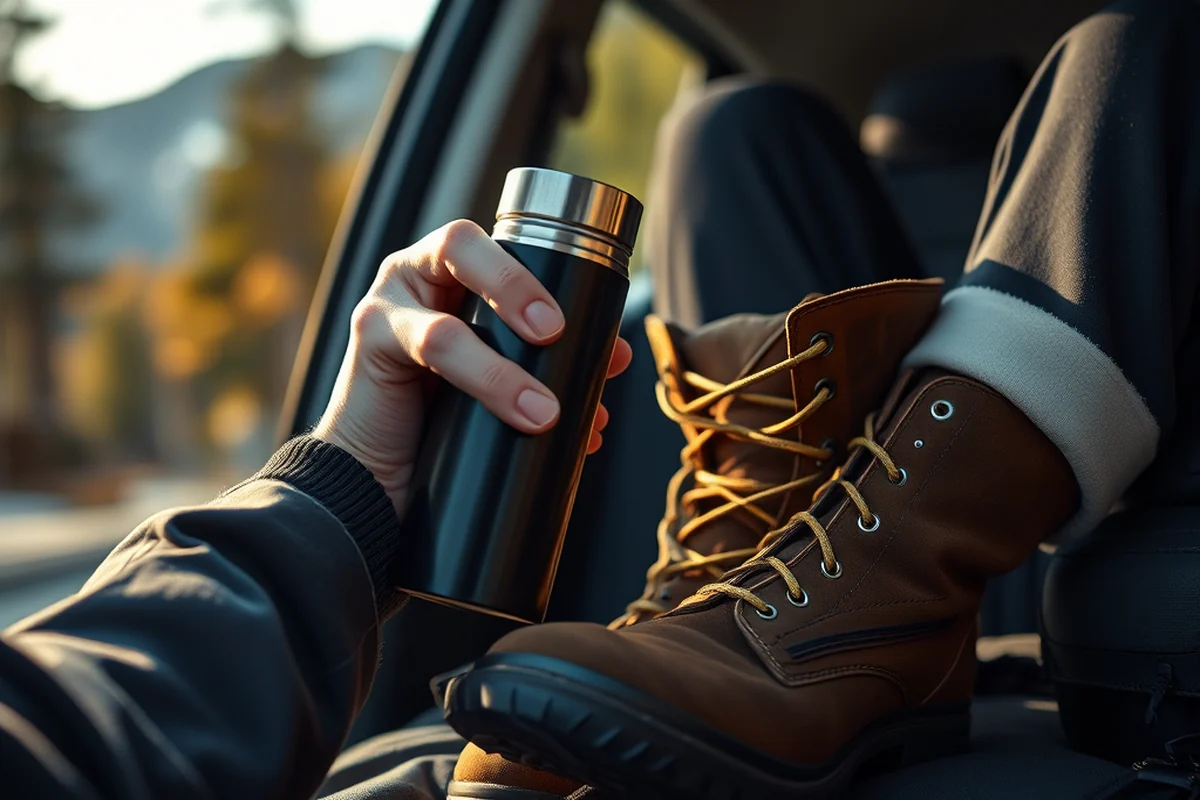
Neglecting to account for temperature fluctuations is another common oversight. In high-altitude areas, temperatures can drop dramatically in the afternoon, making it uncomfortable or even dangerous to continue driving. I’ve found that bringing a thermos with hot drinks and layers of clothing can make a huge difference in comfort. Similarly, snow in mountain passes can close roads entirely, so checking for snow reports and knowing alternate routes is crucial. I always recommend looking up historical weather patterns for the area you're driving through to get a better sense of what to expect.
Lastly, wind can be a hidden hazard on scenic roads, especially near cliffs or open plains. Strong gusts can make driving difficult and even cause vehicles to drift off the road. I’ve experienced this firsthand while driving through Big Sur, where sudden crosswinds nearly took control of my car. Investing in a vehicle with stability control and avoiding driving during peak wind times—often in the late afternoon—can help mitigate this risk. Always keep an eye on local weather advisories and be ready to adjust your itinerary if conditions worsen.
Common Questions
What should I pack for a scenic drive?
Can I take a scenic drive with a family?
What’s the best season for scenic drives in the U.S.?
How long should a scenic drive trip last?
References
Cite this guide
Prettyroads (2026). Scenic Drives Planning Mistakes To Avoid. https://prettyroads.com/scenic-drives-planning-mistakes-to-avoid/
Feel free to cite or share this guide.