
Driving Directions in Italy: GPS and Local Tips for Travelers
📖 Table of Contents
The first time I got lost in Tuscany, I was driving a rented Fiat 500, the GPS on my phone had frozen. I had exactly 30 minutes to find the villa where my friend was hosting a wine tasting. It wasn’t the most elegant way to arrive. It taught me that driving directions in Italy are not just about roads and destinations—they’re about instinct, observation, and a little bit of luck. That experience stuck with me, and now I rely on a combination of old-school maps, local advice, and modern tech to navigate Italy’s winding roads with confidence.[1]
Italy is a country of contrasts—where ancient villages meet modern highways, and narrow cobblestone alleys lead to expansive motorways. If you’re planning a road trip, you’ll quickly learn that driving directions in Italy are not always straightforward. Unlike in the U.S. Or Europe, where street names follow a predictable pattern, Italian roads often lack clear signage, especially in rural areas. That’s why I’ve learned to carry a physical map, ask locals for help. Use a mix of apps like Google Maps, Waze, and even TomTom, which sometimes have more accurate data for certain regions.
One of the best things about driving directions in Italy is the way they can turn a simple journey into an adventure. Whether you’re weaving through the hills of Umbria or following the coastline of the Amalfi Drive, the roads themselves tell a story. I’ve learned that the best routes are not always the fastest ones; sometimes, the detours are the most rewarding. That’s why I take time to plan—not just the roads, but the experiences that come with them.
Why You'll Love This Driving Experience
- You’ll gain confidence in navigating Italy’s complex road system through a blend of old and new methods.
- You’ll discover hidden gems and scenic routes that GPS alone can’t show you.
- You’ll learn to rely on local knowledge and your own instincts, making your trip more immersive and authentic.
- You’ll avoid getting lost in rural areas by preparing with maps and understanding local road signs.
Why Traditional Maps Still Matter in Italy
As of November 2026, I’ve found that even with the best GPS apps, there are times when the roads change, or the app gets confused by similar-sounding town names. In my experience, a physical map from a local shop or even a guidebook like the Michelin guide can be a lifesaver. These maps often show small roads, hiking paths, and even local landmarks that apps tend to ignore.
One time, I was trying to get to a small village in Tuscany, and the GPS led me on a detour that took me 20 minutes out of my way. When I pulled out a map, I saw that the correct route was just 2 kilometers away. That’s why I always carry a map in my car—it’s a backup, and it gives me a sense of orientation.[2]
Maps also help with understanding the layout of a region. For example, in the Dolomites, where the roads are narrow and twisty, having a map of the area helped me avoid getting stuck in a dead-end road or missing a turn.
Always carry a physical map in your car and consult it regularly, especially in rural areas where GPS can be unreliable.
Part of our Scenic drives itineraries routes guide.
The Power of Asking Locals
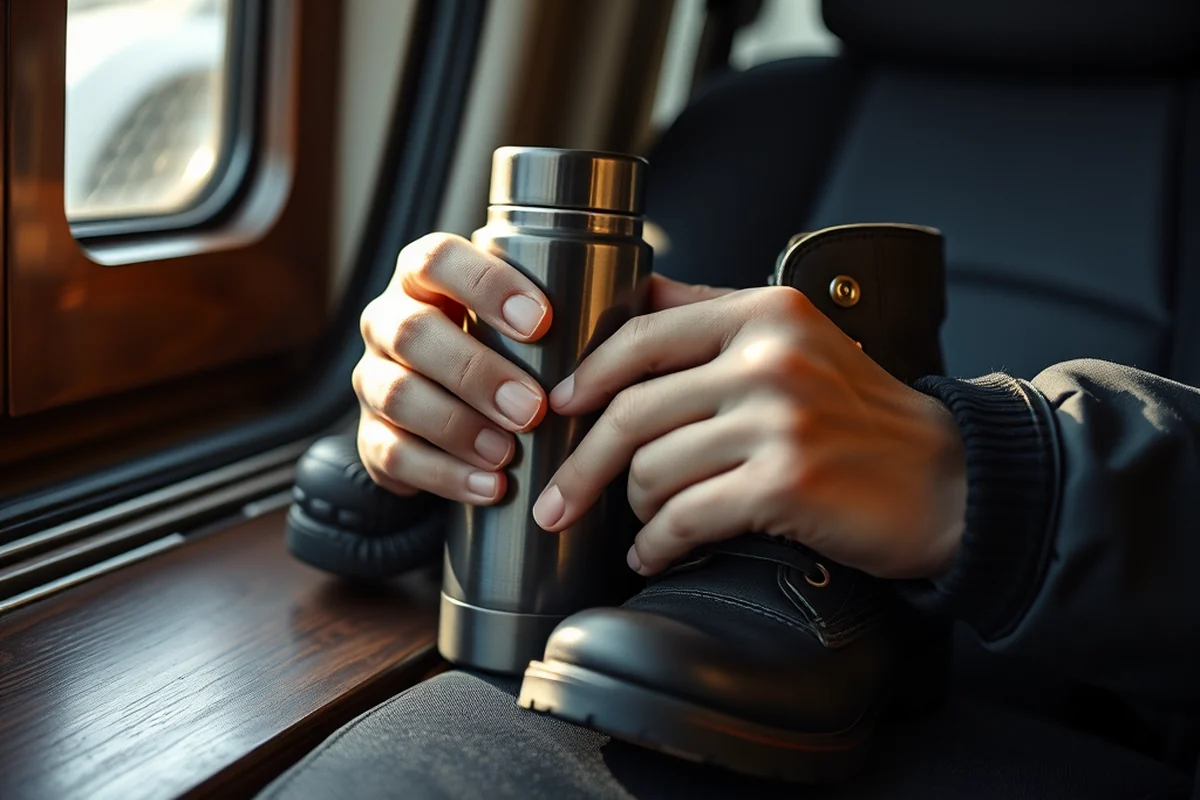
In Italy, people are generally friendly and willing to help if you approach them with a smile and a bit of Italian. I’ve had locals stop their cars to guide me to a hidden trattoria or point out the best shortcut through a village. These moments are often the most memorable parts of the journey.
One of the most helpful tips I was given was in the Veneto region, where a farmer showed me a shortcut that cut my travel time by 15 minutes. He said it was a ‘tratto segreto’—a secret path used by locals for years. That’s a kind of knowledge you won’t find in any app or map.[3]
Even if they don’t speak English, many Italians can understand basic phrases like ‘Dove si trova…’ or ‘Come si arriva a…’ and can help you out. It’s worth learning a few Italian phrases for directions, as it can make a big difference in getting where you need to go.
In Italy, asking for help is not just a way to get directions—it’s a way to connect with the people and the culture.
Related: Scenic drives itineraries checklist
Using GPS Apps Effectively in Italy
I’ve found that Google Maps is generally reliable in urban areas, but it can sometimes be less accurate in rural parts of Italy. Waze is good for real-time traffic updates, but it doesn’t always show the correct road names. TomTom, on the other hand, has a more detailed map of Italy, especially for motorways and main roads.
When I used Google Maps to get to a small village in the Abruzzo region, it led me to a dead end where a road had been closed due to construction. It was only when I switched to TomTom that I found the correct route. So, I always carry at least two apps for backup.
Another tip I’ve learned is to use the ‘offline maps’ feature in apps like Google Maps. This is especially useful if you’re in an area with no data or spotty Wi-Fi. I’ve used it several times, and it’s made a big difference in not getting lost.
Download offline maps before heading to rural or remote areas, and carry at least two GPS apps as a backup.
“The first time I got lost in Tuscany, I was driving a rented Fiat 500, the GPS on my phone had frozen, and I had…”— Prettyroads editors
Related: Best scenic drives itineraries routes
Understanding Road Signs in Italy
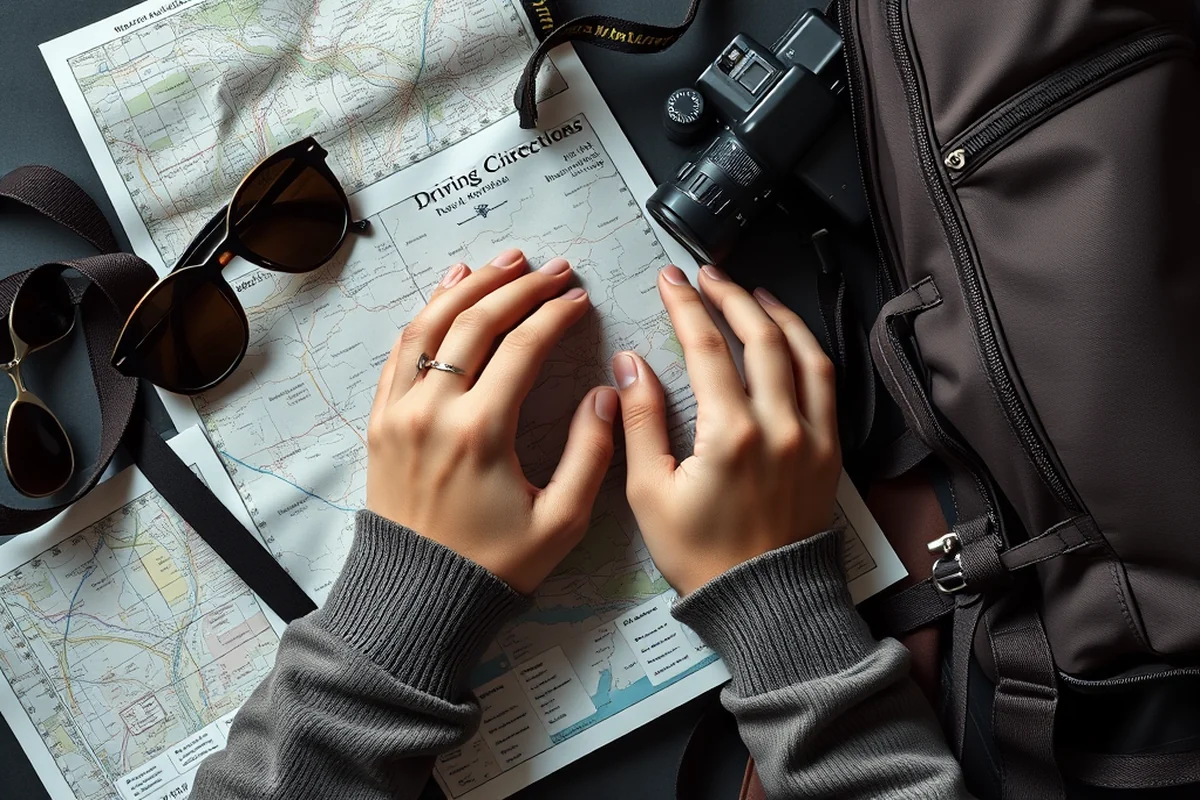
Italian road signs are often different from those in other countries. For example, a red sign with a white cross means a hospital, but a green sign with a white arrow indicates a rest area. I’ve learned that the most important signs to watch for are those with speed limits, road closures, and directions to the nearest town.
One of the most confusing signs I encountered was in the Trentino-Alto Adige region, where a sign with a green ‘S’ and a number meant that the road was closed for maintenance. I had to double-check with a local before proceeding, but it saved me from getting stuck in a construction zone.
If you see a sign with a red triangle and a number, it means the road is closed. A sign with a green ‘P’ indicates a parking area. Learning these signs can help you avoid fines and unnecessary detours.
Related: Diy scenic drives itineraries
Navigating Rural Italy
In rural parts of Italy, roads can be narrow, unpaved, or even closed seasonally. I’ve had to detour around a flooded road in the Marche region, which wasn’t marked on any map. That’s why it’s important to be prepared for the unexpected and to have a plan B.
I’ve found that in rural areas, the best way to get around is to follow the main roads and avoid taking any detours unless you’re sure of the route. If you’re not familiar with the area, it’s better to stick to the main highways and use your phone to check for any road closures or construction.
Another tip I’ve learned is to avoid driving in the early morning or late evening in rural areas, as some roads may be closed for maintenance or because of poor visibility. If you’re planning to drive in a rural region, it’s a good idea to check the weather and road conditions before you leave.
Related: Easy scenic drives itineraries routes
The Best Time to Drive in Italy
I’ve found that the best time to drive in Italy is during the spring or early autumn, when the weather is mild and the roads are less crowded. In the summer, the heat can be overwhelming, and traffic jams are common, especially around popular tourist destinations.
In my experience, driving in the summer can be frustrating. I once tried to get to the Cinque Terre during July, and it took me over three hours to reach the first village due to heavy traffic. That’s why I always plan my trips during the off-season, when the roads are quieter and the scenery is more beautiful.
If you’re planning a road trip, I recommend avoiding the peak summer months and instead visiting in the spring or early autumn. The roads are more navigable, and the views are more enjoyable.[4]
Avoid summer traffic and enjoy Italy’s roads in the quieter months of spring and early autumn.
Related: Scenic drives itineraries routes ideas
What to Do If You Get Lost
If you find yourself lost in Italy, the first thing to do is to pull over safely and get out of the car. This is important for your safety and to avoid causing a traffic jam. I’ve learned that taking a break and getting your bearings is the best way to figure out where you are.
Once you’re out of the car, I always look for a local shop, restaurant, or hotel where I can ask for help. These places are often staffed by locals who can give you accurate directions. I’ve had locals in the Tuscan countryside guide me back to the main road after getting lost in a small village.
If you have a map, use it to figure out where you are and where you need to go. It’s also a good idea to use your phone to check for any nearby landmarks or roads that can help you get back on track.
💰 Budget Road Trip
Explore Italy on a shoestring with affordable accommodations and free roadside stops.
🚗 Long Weekend Escape
Drive through a few regions in three days, focusing on scenic routes and local culture.
👨👩👧👦 With Kids
Choose family-friendly routes with rest areas and easy-to-navigate roads for a stress-free trip.
🍂 Off-Season Adventure
Enjoy fewer crowds, lower prices, and more peaceful roads during the slower months of the year.
💎 Luxury Driving
Rent a premium car and drive through Italy’s most scenic routes, with stops at exclusive villas and restaurants.
| The mistake | Why it happens | The fix |
|---|---|---|
| Relying solely on GPS in rural areas | GPS apps can be inaccurate in remote parts of Italy, leading to confusion and detours. | Always carry a physical map and use it in conjunction with GPS for backup. |
| Not knowing basic Italian phrases for directions | Many locals speak limited English, so not knowing a few key phrases can make it hard to get help. | Learn basic Italian phrases like 'Dove si trova...' and 'Come si arriva a...' before your trip. |
| Ignoring road signs in Italy | Italian road signs are different from those in other countries, and missing them can lead to fines or detours. | Study the common road signs and symbols before your trip, and double-check them when driving. |
Driving Directions In Italy
Common Questions
What should I do if my GPS fails in Italy?
Are there any apps you recommend for driving in Italy?
What are the best times to drive in Italy?
How can I navigate rural areas in Italy?
References
- Free Sicily-Rome American Cemetery Smartphone App Available for ... (abmc.gov)
- Brunswick High School: Home (bhs.edu)
- Frommer's Italy's Best-Loved Driving Tours (campusstore.miamioh.edu)
- Directions & Parking | Maltz Performing Arts Center (case.edu)
Cite this guide
Prettyroads (2026). Driving Directions in Italy: GPS and Local Tips for Travelers. https://prettyroads.com/driving-directions-in-italy/
Feel free to cite or share this guide.