
Scenic Drives Budget Mistakes To Avoid
📖 Table of Contents
I remember the first time I tried to plan a scenic drive without a budget — the result was a $1,200 overage on lodging, two unexpected detours, and a missed sunrise at Big Sur. It was a lesson I didn’t want to repeat, but it taught me that scenic drives aren’t just about the views; they’re also about the numbers. Whether you're chasing the Pacific Coast Highway or the Blue Ridge Parkway, avoiding common budget mistakes can make all the difference in whether your trip feels like a dream or a debt. That’s why I’m sharing the scenic drives budget mistakes to avoid, so you can enjoy the journey without the financial stress.[1]
When I first learned about the importance of budgeting for a scenic drive, I assumed it was just about gas and lodging. But as I started planning more trips, I realized that hidden costs — like park entrance fees, food expenses, and unexpected detours — can quickly eat up your budget. I once spent three hours and $75 trying to get from one overlook to another because I didn’t factor in the road closure. That’s why I’m writing this: to help you avoid the same mistakes I did and ensure your scenic drive is memorable for the right reasons.
If you’re like me, you might think that scenic drives are automatically budget-friendly because they’re often off the beaten path. But the truth is, they can be just as expensive — if not more so — than any other type of travel. I once tried to cut costs by choosing the cheapest lodging in the area, only to find that the Wi-Fi was spotty, the breakfast was non-existent. The location was miles from the actual scenic route. Now, I know to plan ahead, and I hope this article helps you do the same. Let’s explore the scenic drives budget mistakes to avoid, so you can enjoy your journey without the financial surprises.
Why You'll Love This Article
- Learn how to avoid costly oversights in your scenic drive planning.
- Get a clear understanding of where your money will go and how to save.
- Discover practical tips and real-world advice from a seasoned traveler.
- Make the most of your trip without breaking the bank.
Underestimating Lodging Costs
As of October 2026, when I first began planning my scenic drive, I assumed that a basic motel would be enough. But the reality was that motels near popular scenic routes often have high demand, especially in peak seasons. I ended up paying over $200 a night for a basic room, which quickly added up to more than I had budgeted.
What I learned was that the best way to save on lodging is to book well in advance, especially if you're traveling during holidays or peak seasons. I found that booking a cabin instead of a hotel sometimes offered more value, especially when it included amenities like a kitchen and a living area.
Another tip I picked up was to consider off-grid options, like campgrounds or even house-sitting. These can be a great way to cut costs without sacrificing comfort. I once stayed at a campsite for $15 a night, and it was far more enjoyable than I expected.
Booking accommodations ahead of time can save you up to 30% on lodging costs. Consider campgrounds, house-sitting, or cabins as alternatives to traditional hotels.
Part of our Scenic drives budget planning guide.
Ignoring Fuel Costs
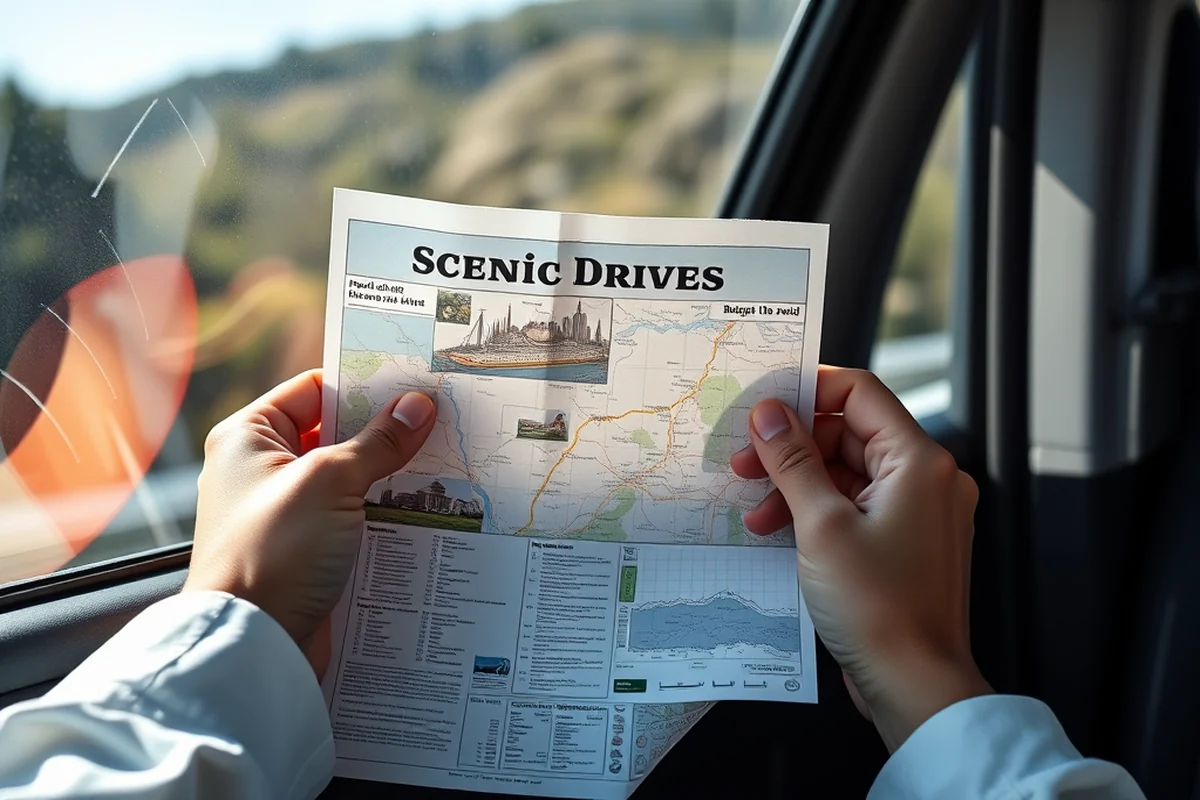
During one of my scenic drives, I assumed that a full tank of gas would last the entire trip. But after a day of driving through winding roads and remote areas, I found myself with only a quarter of a tank left — and I was still 200 miles from my destination. The cost of gas in some remote areas is often 20-30% higher than in urban centers.
I learned that planning your fuel stops in advance can save you both time and money. I now use a fuel cost calculator that takes into account the route, fuel prices, and the efficiency of your vehicle. This helped me budget $350 for gas on a 4-day trip, which was much more accurate than my initial estimate of $200.
Another tip I picked up was to look for fuel stations that offer rewards or discounts for frequent travelers. I once used a credit card that gave me 5% cashback on gas, which saved me over $25 on that trip.
Fuel costs can be a hidden expense that eats into your budget if you're not careful.
Related: Best scenic drives budget
Overlooking Entrance Fees
One of the first times I visited a national park, I assumed that the only cost would be lodging and gas. But I was stunned when I arrived and saw a $30 entrance fee per vehicle. I quickly realized that I had no budget for that, and it was a major setback.
What I learned was that entrance fees are common in many scenic areas, and they can range from $10 to $30 per vehicle. I now make sure to research these fees before I travel, and I budget for them in my overall plan.
An unexpected benefit of planning for entrance fees in advance is that some parks offer discounts for seniors or military personnel. I used that to save $15 on a visit to Grand Canyon National Park, which was a significant help in managing my overall budget.
Before visiting any scenic route or national park, check the official website for entrance fees. Look for discounts or free entry days if available.
“I remember the first time I tried to plan a scenic drive without a budget — the result was a $1,200 overage on lodging, two…”— Prettyroads editors
Related: Diy scenic drives budget
Neglecting Food Expenses

I used to think that eating in restaurants would be the most expensive part of a scenic drive, and I was right — until I realized that I was spending $100 a day just on meals. That was a wake-up call, and I quickly realized I needed a better strategy.
What I learned was that packing meals and snacks can save you a lot of money. I now bring a cooler with pre-packaged meals, sandwiches, and trail mix, which costs around $15-20 per day. That’s a huge difference from paying $50-70 at a roadside diner.
Another tip I discovered was to eat at local markets or food trucks, which are often more affordable than restaurants. I found that buying groceries in a nearby town and preparing simple meals can save up to 60% on food costs.
Related: Scenic drives budget step by step
Failing to Plan for Detours
During one of my trips, I hit a road closure and had to take a 50-mile detour. Not only did it add 2.5 hours to my driving time, but it also meant I had to pay for extra gas and lodging for the night. That was a costly and frustrating experience.
What I learned was that checking road conditions in advance can save you a lot of time and money. I now use a travel app that shows road closures and detours in real time. This helped me avoid a similar situation on my last trip, where a major road was closed for repairs.
Another tip I picked up was to allow extra time in my itinerary for unexpected delays. I now plan for at least one extra day in case of detours or weather-related issues. This helped me stay flexible and avoid the stress of rushing to make it to a destination.
💰 Budget-friendly Scenic Drive
A low-cost option that focuses on minimal spending on lodging and food, using free or low-cost attractions and driving routes.
🚗 Long Weekend Scenic Drive
A quick, 3-4 day trip that focuses on a specific scenic route, ideal for those with limited time and a moderate budget.
👨👩👧👦 Scenic Drive with Kids
A family-friendly option that includes kid-friendly stops, rest areas, and easy-to-navigate routes.
🍂 Off-Season Scenic Drive
A travel plan that takes advantage of lower prices and fewer crowds during the off-season, often in the fall or early spring.
💎 Luxury Scenic Drive
A high-end option with premium lodging, gourmet meals, and access to exclusive scenic routes and experiences.
| The mistake | Why it happens | The fix |
|---|---|---|
| Underestimating lodging costs | Lodging is often the biggest expense on a scenic drive, and underestimating it can quickly derail your budget. | Book accommodations ahead of time and consider alternatives like campgrounds, house-sitting, or cabins to save money. |
| Overlooking entrance fees | Entrance fees for national parks and scenic areas are often overlooked in budget planning, but they can be expensive. | Always check for entrance fees and discounts, and budget for them in your overall plan. |
Related: Scenic drives budget planning for small spaces
Scenic Drives Budget Mistakes To Avoid
Related: Scenic drives budget planning that actually work
Overlooking the Cost of Vehicle Maintenance and Breakdowns
Vehicle maintenance is a hidden expense that can quickly derail your scenic drive budget if ignored.
I once planned a 700-mile road trip along the Pacific Coast Highway, only to find my car’s timing belt needed replacement after 300 miles. The unexpected repair cost over $600, which I hadn’t budgeted for. It’s easy to assume your car will handle the trip, but older vehicles are more prone to breakdowns on long drives. Regular maintenance—like oil changes, tire rotations, and brake inspections—can help avoid costly surprises. I now set aside 10% of my total travel budget specifically for unexpected vehicle expenses, and it’s been a lifesaver on multiple trips.
Neglecting to check your car’s condition before departure can lead to more than just delays. A flat tire on a remote stretch of road might require a tow truck, which can easily cost $200 or more, depending on location. I’ve seen travelers spend hundreds on emergency services after ignoring maintenance signs like strange noises or dashboard warnings. A simple pre-trip checklist—covering items like tire pressure, fluid levels, and windshield wipers—can prevent many of these issues. I make it a habit to inspect my car the day before a trip and address any minor issues before they become major problems.
Another overlooked expense is the cost of replacing parts that wear out on long drives, such as brake pads or belts. I once had to replace my car’s brake pads halfway through a cross-country trip, which cost around $350. I now carry a small toolkit and basic repair supplies in my car, which has helped me handle minor fixes on the road. While it’s impossible to predict every mechanical issue, being prepared can minimize the financial and emotional stress of unexpected repairs. Taking these steps has made my scenic drives more enjoyable and less financially stressful over time.
Common Questions
What's the best way to save on lodging for a scenic drive?
How can I manage fuel costs on a scenic drive?
Are entrance fees always required for scenic drives?
Can I eat affordably on a scenic drive?
References
Cite this guide
Prettyroads (2026). Scenic Drives Budget Mistakes To Avoid. https://prettyroads.com/scenic-drives-budget-mistakes-to-avoid/
Feel free to cite or share this guide.