
Scenic Drives Gear Tips
📖 Table of Contents
There’s something about the rhythm of the open road that makes you feel like the world is unfolding just for you. I remember the first time I took a scenic drive through the Pacific Coast Highway, wind in my hair and the smell of saltwater on the breeze. It wasn’t just the views that made it memorable — it was the way I had prepared, with the right gear and mindset, to make every moment count. Scenic drives are more than just a way to see the country; they’re an experience that requires the right tools, planning, and a little bit of intuition.
When I set out on my first long drive through the Rockies, I was unprepared. I didn’t have a good camera, a sturdy backpack, or even a way to stay hydrated for the hours of hiking I had planned. It was a painful lesson, but one that taught me the importance of scenic drives gear tips. Whether you're driving through the desert, along a coastline, or through mountain passes, the right gear can transform a good trip into an unforgettable one. It’s not just about comfort — it’s about being able to capture the moment, stay safe, and enjoy the journey to the fullest.
Now, when I plan a scenic drive, I start with the gear. A lightweight but durable backpack, a compact camera that fits in my pocket, and a hydration system that keeps me going for hours. I’ve learned that the right tools can make a difference — not just in comfort, but in the ability to truly immerse myself in the experience. Scenic drives gear tips are not just advice; they’re the difference between a trip that’s good and one that’s legendary.
Why You'll Love This Scenic Drives Guide
- You’ll know exactly what to bring for any road trip, no matter the terrain.
- You’ll avoid common mistakes that turn a great trip into a stressful one.
- You’ll feel confident, prepared, and able to make the most of every mile.
- You’ll have a checklist that works for any scenic drive, from mountain passes to coastal highways.
Why the Right Gear Matters on Scenic Drives
As of November 2026, on a recent trip through the Blue Ridge Parkway, I realized how much the gear I brought made a difference. I had a lightweight backpack, a camera that didn’t weigh me down, and a hydration system that kept me going for hours. It wasn’t just about comfort — it was about being able to capture the moment and stay safe while doing it.
I remember one particular stop near Asheville, North Carolina, where the sun was setting and the sky turned a deep orange. Without the right gear, I wouldn’t have had the chance to take that photo or enjoy the view for as long as I did. Gear isn’t just about having the tools — it’s about having the freedom to be present in the moment.
Scenic drives often involve hikes, long stretches of road, and unpredictable weather. The right gear helps you navigate these challenges without compromising your experience. Whether it’s a rain jacket for an unexpected downpour or a pair of sturdy hiking shoes for a trailside stop, every detail matters.
A good backpack, a hydration system, and a lightweight camera can make a huge difference. I always pack a 30-liter backpack with a rain cover, a 3-liter hydration bladder, and a pocket-sized camera that’s easy to carry.[1]
Part of our Scenic drives packing gear guide.
The Power of a Compact Camera
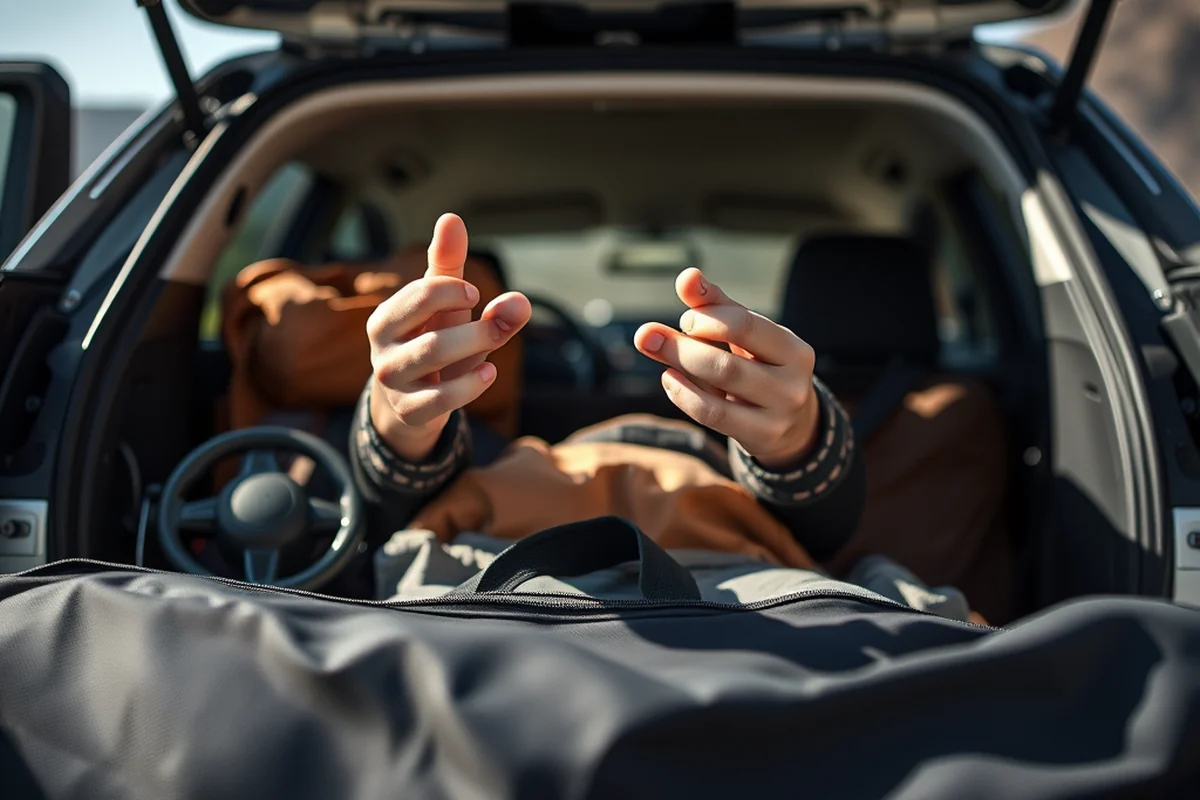
I’ve tried everything from smartphones to DSLRs, and nothing beats a compact camera for scenic drives. It’s light, it doesn’t take up space in my bag, and it’s easy to use — even for someone who’s not a professional photographer. I’ve captured some of my best photos with a small, high-quality camera that fits in my pocket.
I once took a drive through the Grand Canyon, and the compact camera allowed me to take photos without constantly fiddling with my phone. It was a game-changer. I could focus on the view, the moment, and the experience, not on trying to take a decent photo.
A compact camera is a must-have for any scenic drive. It’s not just about having a good photo — it’s about being able to capture the moment without sacrificing the experience.
A compact camera is the difference between a memory and a masterpiece.
Related: Best scenic drives packing
Staying Hydrated on the Road
During a drive through the Mojave Desert, I realized how quickly I could dehydrate without proper planning. I had a 3-liter hydration bladder, and it saved me from a day of fatigue and discomfort. Staying hydrated isn’t just about drinking water — it’s about having a system that keeps you going without constantly stopping to refill.
I’ve learned that a good hydration system is essential for any scenic drive, especially in hot or dry climates. It keeps water close at hand, and it’s easy to use without taking your hands off the wheel. I always bring a hydration bladder that fits in my backpack and a reusable water bottle for extra water.
Hydration is often overlooked, but it’s one of the most important parts of any trip. With the right system, you can stay comfortable, alert, and ready to enjoy every mile of the journey.
A 3-liter hydration bladder and a reusable water bottle can keep you hydrated for hours. I always bring an insulated bottle to keep my water cool in hot weather.
“There’s something about the rhythm of the open road that makes you feel like the world is unfolding just for you.”— Prettyroads editors
Related: Diy scenic drives packing
Packing Light for the Long Haul
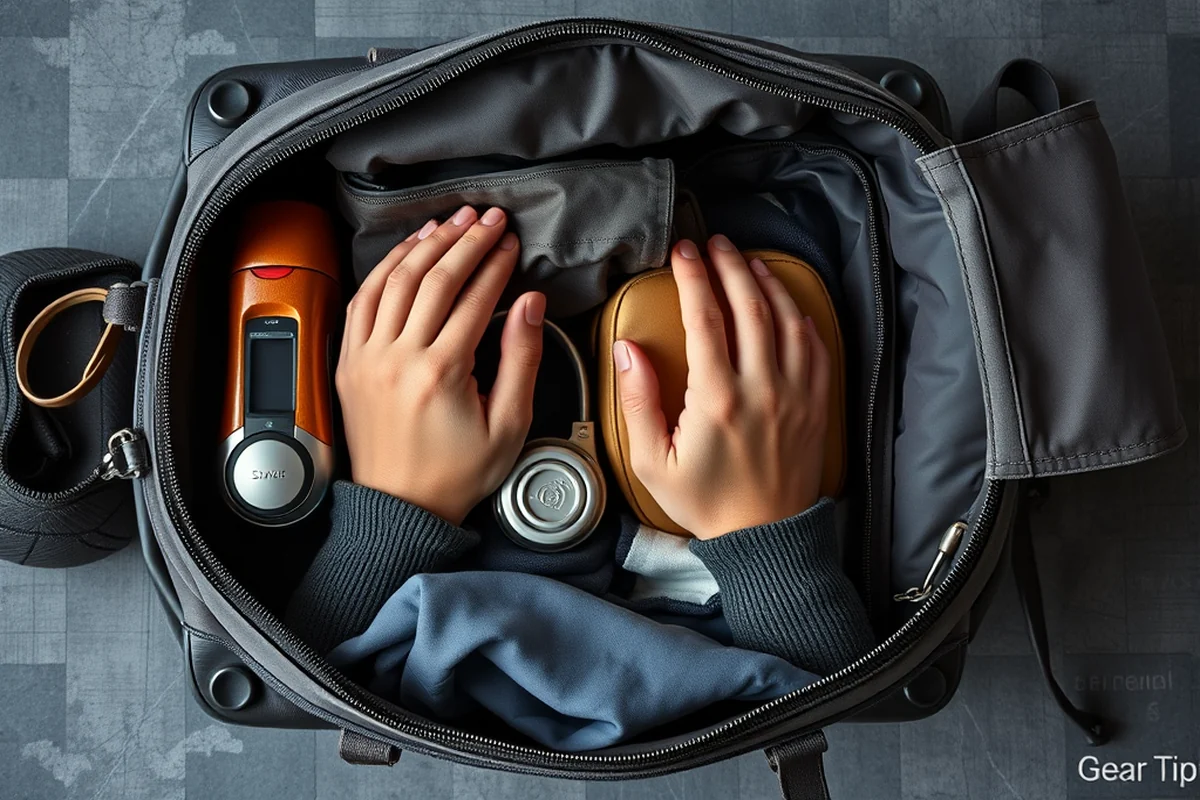
I’ve learned the hard way that overpacking can be a nightmare on a scenic drive. Too much weight in the car can make the drive uncomfortable, and too much gear in the backpack can make it difficult to move around. I now pack with a ‘less is more’ mindset, bringing only what I need for the day.
I’ve found that a 30-liter backpack is perfect for a scenic drive — it’s enough to carry essentials like a camera, a hydration bladder. A light jacket, but not so much that it becomes a burden. I always bring a lightweight, foldable rain jacket, a pair of comfortable hiking shoes, and a small first aid kit.
Packing light is about efficiency and comfort. It’s not just about what you bring — it’s about what you can carry without feeling weighed down. When you pack smart, you’re free to enjoy the journey without the stress of carrying too much.
Related: Scenic drives packing tips
Weather-Ready Gear for Any Scenic Drive
On a recent trip to the Pacific Northwest, I was caught in a sudden downpour with no rain protection. I learned the hard way that a good rain jacket is essential for any scenic drive. I now always bring a lightweight, packable rain jacket that’s easy to carry and quick to put on.
I’ve also learned that a good pair of waterproof hiking shoes is just as important. I once took a short hike in the mountains, and the rain started to fall — without the right shoes, I would have been soaked and uncomfortable. The right gear can make all the difference in an unexpected weather change.
Whether it’s a sudden downpour or a hot summer day, being prepared with the right gear can keep you comfortable and safe. I always bring a rain jacket, waterproof shoes, and a sun hat for any trip, no matter the season.
💰 Budget Scenic Drive
A low-cost, no-frills trip that focuses on the essentials: a compact camera, lightweight backpack, and a good hydration system.
🚗 Long Weekend Adventure
Perfect for a quick getaway with a few stops and a focus on comfort and convenience, including a good rain jacket and a compact camera.
👨👧👦 Scenic Drive with Kids
A family-friendly trip with extra gear for kids, like a lightweight stroller, extra snacks, and a waterproof backpack.
⛄ Off-Season Scenic Drive
A winter trip with gear designed for cold weather, including thermal layers, insulated gloves, and a good pair of snow boots.
🛏️ Luxury Scenic Drive
A high-end trip with all the comforts: a luxury car, a personal camera, and a custom hydration system with premium water.
| The mistake | Why it happens | The fix |
|---|---|---|
| Overpacking the car or backpack | Overpacking can make the drive uncomfortable and make it difficult to move around. | Pack light and only bring what you need for the day — a 30-liter backpack is perfect for carrying essentials. |
| Forgetting a rain jacket | A sudden downpour can ruin your experience without proper protection. | Always bring a lightweight, packable rain jacket for unexpected weather. |
| Not having a good hydration system | Dehydration can lead to fatigue and discomfort during long drives. | Bring a 3-liter hydration bladder and a reusable water bottle to stay hydrated. |
| Ignoring the weather forecast | Failing to prepare for the weather can lead to uncomfortable or unsafe conditions. | Always check the weather forecast and bring gear that’s appropriate for the conditions. |
Related: Scenic drives packing gear that actually work
Scenic Drives Gear Tips
Related: Scenic drives packing gear tips
Common Questions
What should I bring on a scenic drive?
How do I stay hydrated during a long drive?
What are the best times of year for scenic drives?
How can I pack light for a scenic drive?
References
- Winter Backpacking Gear Checklist - National Park Service (home.nps.gov)
Cite this guide
Prettyroads (2026). Scenic Drives Gear Tips. https://prettyroads.com/scenic-drives-gear-tips/
Feel free to cite or share this guide.