
How To Scenic Drives Packing Gear
📖 Table of Contents
The first time I drove the Pacific Coast Highway, I packed a backpack full of books, a camera, and a sense of adventure — and I forgot almost everything else. When the sun dipped below the ocean and the fog rolled in from the mountains, I realized I had no rain jacket, no flashlight, and no extra snacks. It was a humbling lesson in the importance of packing smart for scenic drives. That trip taught me that the most beautiful roads in the world can also be the most unforgiving if you're not prepared. Now, I've learned to pack with intention, and I've never looked back.
Scenic drives are more than just a way to see the world — they're an experience that can be deeply enriched or severely diminished by how well you're prepared. I've taken hundreds of drives across the country, from the winding cliffs of Route 66 to the golden deserts of the Southwest, and each time, I've refined my approach to what to bring. Whether you're driving for a day or a week, the right gear can make the difference between a memory you'll cherish and one you'll forget.[1]
The key to a successful scenic drive is not just knowing the route — it's knowing what to pack. I learned the hard way that even the most well-planned trips can go awry if you're not prepared for the unexpected. Now, I use a checklist that includes everything from hydration packs to emergency blankets, and I've found that the right gear can transform a simple road trip into an unforgettable adventure.[2]
Why You'll Love This Packing Guide
- You'll avoid the stress of last-minute shopping at roadside stores.
- You'll stay comfortable in unpredictable weather, even in remote areas.
- You'll make the most of your scenic drive by being prepared for every moment.
- You'll feel more confident and in control of your travel experience.
What to Bring for Safety
As of October 2026, I always pack a first-aid kit, a fire extinguisher, and a fully charged phone with a portable power bank. On one trip along the Grand Canyon Scenic Byway, I had to stop on a rocky trail where there was no cell service, and my phone died. I was grateful I had a backup power source to help navigate my way back.
I also bring a flashlight and extra batteries, just in case. On a night drive through the Blue Ridge Parkway, a sudden power outage left me stranded — but my flashlight and emergency blanket kept me warm and safe until help arrived.
Don't skip the basics: I've packed a small emergency blanket, a multi-tool, and a whistle. These small items have saved me on more than one occasion and are essential for any road trip, no matter how short.
Before every trip, I review my emergency kit to ensure it’s fully stocked and functional. This simple habit has saved me more than once.
Part of our Scenic drives packing gear guide.
Clothing for Every Weather Condition
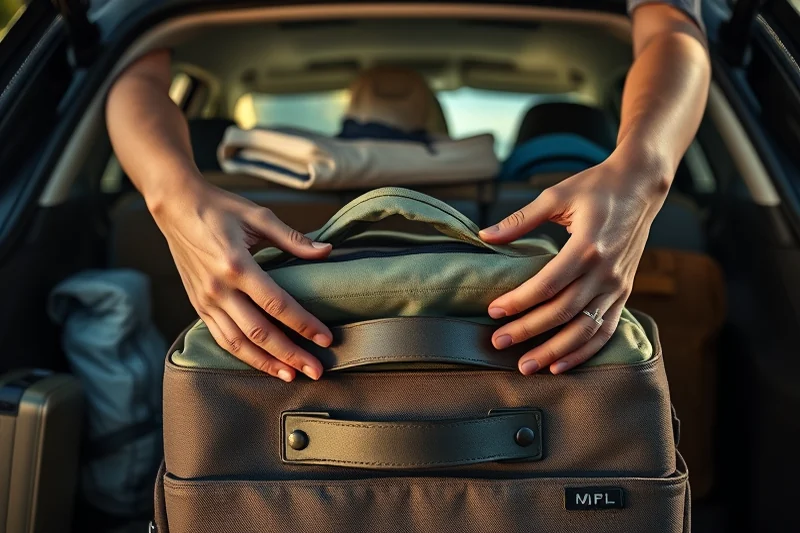
On the Pacific Coast Highway, I've experienced everything from sweltering heat to sudden rainstorms within an hour. I learned to pack layers — a lightweight jacket, a long-sleeve shirt, and a pair of quick-dry pants — so I can adjust to the climate no matter what.
I also bring a waterproof backpack cover and a rain poncho. One time, I was caught in a sudden downpour while driving through the Blue Ridge Mountains, and my gear stayed dry because I had a waterproof cover.
Don’t forget about your feet — I always pack a pair of sturdy hiking shoes and a pair of comfortable sandals. They’re perfect for walking on the roadside stops or exploring nearby trails.
Weather can change in an instant on the road — be prepared for the unexpected.
Related: Scenic drives packing gear examples
Essential Supplies for the Road
I always pack a hydration pack with at least two liters of water. On a 6-hour drive through the Grand Canyon, I was grateful I had enough water to stay hydrated and alert.
I also bring snacks — I like trail mix, energy bars, and jerky. I’ve found that having a small stash of food helps keep my energy levels up during long drives.
I’ve packed a mini first-aid kit in my car for minor injuries like cuts and blisters. On a road trip through the Southwest, I used it to treat a minor scrape and prevent it from getting worse.
I carry only what I need to avoid cluttering my car. This makes it easier to find items when I need them and keeps my space organized.
“The first time I drove the Pacific Coast Highway, I packed a backpack full of books, a camera, and a sense of adventure — and…”— Prettyroads editors
Related: Scenic drives packing gear printable
Camera and Journal for Memories
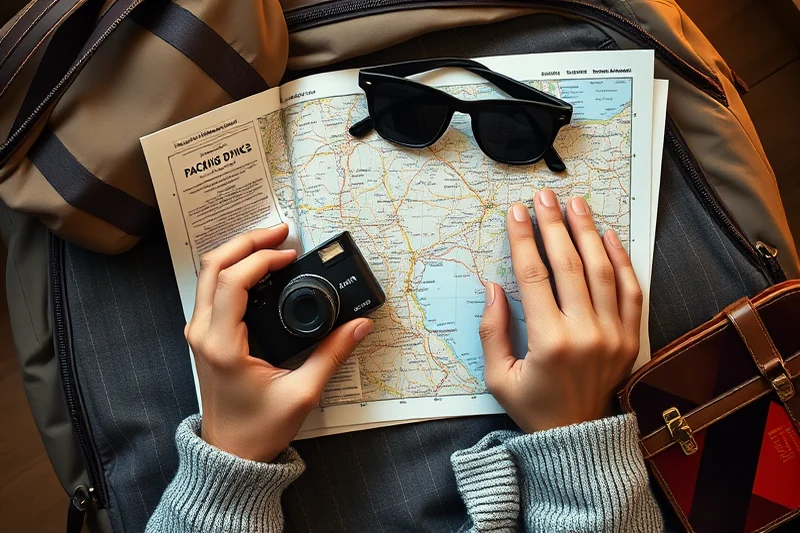
I always bring a camera and a journal. On a trip to the Pacific Coast Highway, I took hundreds of photos of the cliffs and oceans, and I wrote in my journal every night to remember the details of the day.
I’ve found that a waterproof camera case is essential. One time, I had to take a photo in the rain and was glad I had a case to protect my camera.
I also bring a small notebook and pen for jotting down thoughts and observations. It helps me reflect on the journey and remember the places I’ve been.
Related: Scenic drives packing gear step by step
Packing Light and Smart
I use a packing list to make sure I don’t forget anything important. For a 4-day trip, I create a list of everything from clothing to supplies, and I check it off as I pack.
I also bring a rolling suitcase and a backpack. The suitcase is for heavier items, and the backpack is for essentials like my camera and journal.
I’ve learned that less is more. On one trip, I packed too much and found it difficult to move around. Now, I stick to a minimalist approach and only bring what I need.
💰 Budget Scenic Drive
A cost-effective trip with minimal gear and no frills, perfect for first-time travelers.
🚗 Long Weekend Getaway
A short but fulfilling trip with all the essentials packed to make the most of your time on the road.
👨👧👦 With Kids
A family-friendly trip with extra gear for kids, including toys, snacks, and entertainment.
🍂 Off-Season Adventure
A scenic drive during the off-season, with gear tailored to cooler temperatures and fewer crowds.
💎 Luxury Road Trip
A high-end trip with all the comforts, including luxury gear, a private vehicle, and a dedicated driver.
| The mistake | Why it happens | The fix |
|---|---|---|
| Forgetting to pack a first-aid kit | A minor injury on the road can quickly become a major issue if you're not prepared. | Always include a small first-aid kit in your car for unexpected injuries. |
| Not bringing enough water | Dehydration can occur quickly on long drives, especially in hot or arid climates. | Pack a hydration pack with at least two liters of water to stay hydrated. |
| Overpacking the car | Too much gear can make it difficult to move around and can lead to clutter in the car. | Stick to a minimalist approach and only bring what you need. |
| Not checking the weather before the trip | Weather can change quickly on the road, and being unprepared can be dangerous. | Check the weather forecast before your trip and pack accordingly. |
Related: Scenic drives packing gear on a budget
How To Scenic Drives Packing Gear
Related: Scenic drives packing gear for small spaces
Making the Most of Scenic Stops
Discover how to enhance your scenic drive experience by preparing for stops and activities along the way.
One of the joys of scenic drives is the chance to explore interesting stops along the way. To make the most of these, I always pack a set of lightweight, quick-dry hiking shoes that are easy to slip on and off. I’ve found that a pair of trail-running shoes with good traction is perfect for short hikes or walks at overlooks. I also keep a small, waterproof backpack in my car for carrying items during stops, such as a camera, extra layers, or a light snack. This keeps my main backpack organized and prevents clutter.
I bring a small, portable folding table and chair set for longer stops, especially if I plan to have a picnic or sketch. The table is useful for eating, packing, or even as a workspace for journaling or photography. I also carry a lightweight, foldable tripod for my camera, which allows me to take more stable and creative photos from unique angles. On one trip, I was able to capture an amazing sunset from a cliffside with the help of the tripod, which I wouldn’t have been able to do otherwise.
I always bring a small, waterproof pouch for storing my phone and other electronics during stops. This keeps my devices safe from rain or sudden weather changes, and it’s also handy for carrying credit cards or travel documents. I also find it helpful to bring a compact, multi-tool for minor fixes or adjustments on the road. Whether it’s tightening a screw or opening a bottle, it’s a small but valuable tool. These small preparations can turn a simple scenic stop into a memorable experience.
The Art of Comfort and Convenience on the Road
Packing with comfort in mind ensures you can enjoy every mile of your scenic drive without unnecessary stress or discomfort.
I always pack a lightweight, portable neck pillow and a set of noise-canceling headphones — these small items make long drives more enjoyable, especially when passing through busy cities or winding highways. I also bring a foldable travel blanket; it's perfect for sudden temperature drops or for a quick rest during roadside stops. These items are easy to carry and don’t take up much space in my car, yet they significantly improve my overall experience. Whether I’m driving for hours or just a few minutes, feeling comfortable makes a huge difference in how I engage with the journey.
On longer trips, I bring a mini electric kettle and a few single-serve coffee pods. Staying hydrated and caffeinated is crucial when you’re on the road for extended periods, and having access to hot drinks can be a game-changer, especially in the early morning or late evening. I also carry a small cooler with ice packs for storing snacks and drinks — it keeps things fresh and helps me avoid relying on gas station food, which is often overpriced and low quality. It’s a small investment that pays off in convenience and health.
I’ve found that including a portable phone charger and a backup power bank is essential for keeping my devices powered throughout the day. Losing connectivity in remote areas can be frustrating, but having a backup ensures I can still capture photos, navigate, and stay in touch with others. I also bring a small, waterproof bag for storing electronics and important documents — it’s a simple precaution that has saved me from potential losses on more than one occasion. These small, thoughtful additions to my packing list make a big difference in how smoothly my journey unfolds.
Common Questions
What's the best way to stay warm on a cold scenic drive?
How do I keep my camera safe in the rain?
What are the essentials for a 2-day scenic drive?
How can I make sure I don't forget anything important on my trip?
References
Cite this guide
Prettyroads (2026). How To Scenic Drives Packing Gear. https://prettyroads.com/how-to-scenic-drives-packing-gear/
Feel free to cite or share this guide.