
Quick Scenic Drives Packing Gear
📖 Table of Contents
There's a magic in the way the wind shifts as you round a mountain pass, the way the sun catches the glint of a river just ahead. The way the road seems to stretch infinitely in front of you. I remember the first time I packed a backpack for a quick scenic drive — it was just a two-day trip to the Blue Ridge Parkway — and I had no idea how much the right gear could change the experience. That first trip taught me that packing smart isn't just about efficiency, it's about being fully present in the moment. And that's where 'quick scenic drives packing gear' comes in.[2]
When I think about quick scenic drives, I'm not just thinking about the road — I'm thinking about the layers of clothing that will keep me warm at dawn and cool at dusk, the compact hiking boots that will keep my feet dry after a sudden rainstorm. The lightweight jacket that can be tossed into a backpack in seconds. Packing for a scenic drive isn't like packing for a weekend at a resort or a long-haul flight. It's about being prepared for the unexpected, the unpredictable, and the breathtaking. That's why I've learned to treat my gear like a close friend — reliable, versatile, and always ready.[3]
I've learned the hard way that one of the worst mistakes on a quick scenic drive is underestimating how much you'll need. I once packed only a single pair of socks and ended up hiking through a river that was waist-deep — and I had no dry socks to change into. That experience taught me that 'quick scenic drives packing gear' isn't just about comfort, it's about survival. It's about knowing what to bring, what to leave behind, and how to make the most of the time you have on the road.[4]
Why You'll Love This Quick Scenic Drive Packing Strategy
- Lightweight, versatile gear that adapts to changing weather conditions.
- Efficient packing that doesn't compromise comfort or safety.
- Smart choices that maximize your time on the road and minimize stress.
- A packing approach that's tested by real travelers, not just theory.
The Essentials You Can't Live Without
As of October 2026, I always start by including a lightweight, waterproof backpack that can hold everything from a spare jacket to a first-aid kit. I've tested several brands, and the Osprey Kestrel 38 has been the most reliable — it's comfortable even on long hikes and has enough space for an extra day's worth of supplies.[1]
Next, I always bring a compact, quick-dry jacket. Whether it's a sudden downpour or a sudden chill at sunrise, a good jacket can make all the difference. I’ve used the Patagonia Nano Puff for years, and it's warm enough to handle a sudden temperature drop without adding bulk.
A first-aid kit is non-negotiable. I carry a small, organized kit that includes bandages, antiseptic wipes, and pain relievers. It’s a small item that could save you from a major inconvenience if you're stuck at a remote stop with no access to medical care.
A good backpack should fit your torso and have a comfortable harness system. Avoid overstuffing it, and always test it before your trip to ensure it’s not causing discomfort.
Part of our Scenic drives packing gear guide.
Layering for Every Season
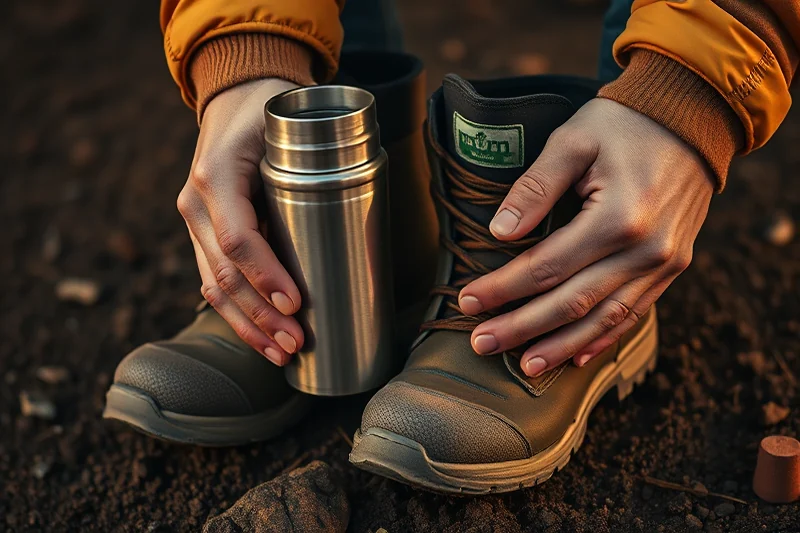
I’ve learned that layering works best with a three-part system: a moisture-wicking base layer, an insulating middle layer, and a waterproof outer layer. In spring, I often wear a long-sleeve merino wool shirt with a light fleece and a shell jacket. This system keeps me warm in the morning and cool by midday.
One of the most useful items I’ve ever packed for a scenic drive is a microfiber towel. It’s incredibly absorbent and dries quickly, making it perfect for wiping off sweat or cleaning up after a quick picnic. I've used it on multiple trips, and it's always been a lifesaver.
For colder seasons, a pair of insulated gloves and thick socks are essential. I once went on a drive in early fall, and without gloves, my hands were numb after just an hour of hiking. I've since made it a rule to bring them on every trip.
Layering is not just about fashion — it's about staying comfortable and safe on the road.
Related: Scenic drives packing checklist
Staying Hydrated and Nourished on the Go
I always carry a reusable water bottle — ideally one with a built-in filtration system. I’ve used the LifeStraw Personal Water Filter on several trips, and it's been a game-changer for accessing clean water from streams or lakes without the need for bottled water.
For food, I pack lightweight, high-energy snacks like trail mix, energy bars, and nuts. I've found that a few pouches of these can keep me going through the day without weighing me down. I once went for a five-hour hike with only trail mix and ended up having more energy than I expected.
I've also brought a small, solar-powered portable charger on a few trips, and it’s been a lifesaver for keeping my phone powered for navigation and emergencies. It’s lightweight and doesn’t take up much space in a backpack.
Choose snacks that are high in calories and low in weight. Avoid anything that needs refrigeration or will spoil quickly. A small water filter can make a big difference when you're out of reach of stores.
“There's a magic in the way the wind shifts as you round a mountain pass, the way the sun catches the glint of a river…”— Prettyroads editors
Related: Diy scenic drives packing gear
The Power of a Good Map and Navigation Tools
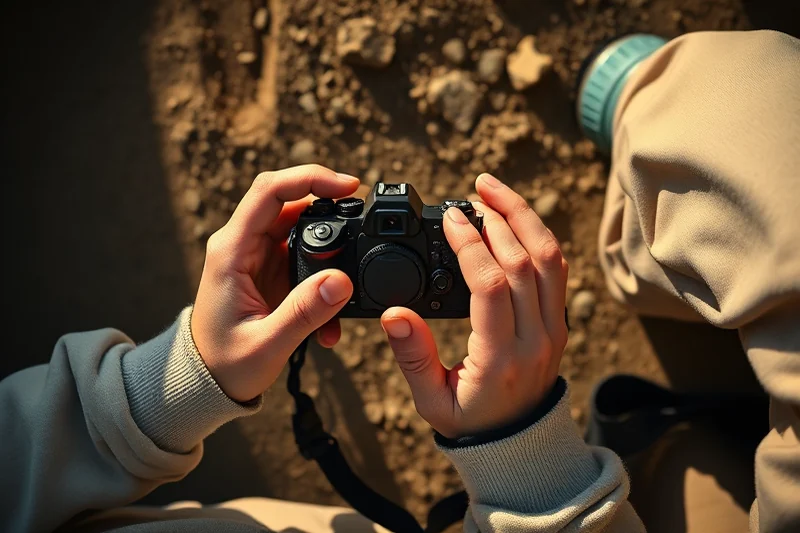
I always bring a physical map of the area — even if I have GPS on my phone. Paper maps work when the battery dies, and they give a broader perspective of the landscape. I've used the National Geographic maps on several drives, and they’ve been incredibly useful in planning my route.
A compass is another item I’ve found invaluable. It’s lightweight and doesn't require electricity. I've used it on multiple trips, and even if I had GPS, the compass gives me a sense of direction that's hard to replicate.
I’ve also found that downloading offline maps before heading out is a smart move. I’ve used apps like Gaia GPS and AllTrails, which allow me to access detailed maps even without a data connection. This has been a huge help when I’m in remote areas with poor signal.
Related: Best scenic drives packing gear
The Little Things That Make a Big Difference
I always carry a multi-tool — it’s a compact device that can do everything from cutting rope to opening cans. I’ve used mine on more than one occasion to fix a broken zipper or open a snack package when my hands were cold.
A compact lantern is another essential item. I've used a LED lantern on several trips, and it’s been a lifesaver for setting up camp at night or reading a map after the sun goes down. It’s lightweight and can run for hours on a single battery.
I also bring a small, foldable sleeping pad for when I need to rest in a car or at a roadside stop. It’s lightweight and can provide a comfortable surface even on the coldest nights. I’ve used it on several trips, and it’s always been worth the space it takes.
💰 Budget Scenic Drive
A low-cost option with minimal gear, focusing on comfort and essentials for a quick trip.
🚗 Long Weekend Adventure
A more extensive drive with enough gear for two nights of camping and exploring.
👨👧👦 With Kids
Packing for kids includes extra snacks, entertainment, and safety items for a family-friendly trip.
🍂 Off-Season Scenic Drive
A drive in the off-season requires different gear to handle colder or wetter conditions.
💎 Luxury Scenic Drive
A high-end trip with premium gear, including top-of-the-line comfort items and advanced navigation tools.
| The mistake | Why it happens | The fix |
|---|---|---|
| Packing too much for a quick trip. | Overpacking can make your backpack uncomfortable and difficult to manage on the road. | Only bring what you absolutely need — a minimalist approach works best for quick trips. |
| Ignoring the weather forecast. | Failing to check the weather can lead to being unprepared for rain, cold, or heat. | Always check the weather before your trip and pack accordingly. |
| Not testing your gear before the trip. | Unfamiliar gear can be uncomfortable or fail when you need it most. | Test your gear before your trip to ensure everything works and is comfortable. |
| Not bringing enough food or water. | Running out of supplies can be dangerous and inconvenient, especially in remote areas. | Bring enough food and water for the entire trip and consider bringing a water filter. |
Related: Scenic drives gear checklist
Quick Scenic Drives Packing Gear
Related: Easy scenic drives packing
The Role of Compact and Multi-Use Items
Packing smart with compact, multi-use items can significantly enhance your quick scenic drive experience without adding bulk.
When planning for a quick scenic drive, I’ve found that opting for compact and multi-use items can make a world of difference. I always pack a lightweight, foldable chair that doubles as a picnic blanket, and a reusable water bottle with a built-in filter. These items save space and reduce the number of things I need to carry. They also allow me to enjoy the landscape without feeling burdened by bulky gear.
Another game-changer for me is a compact first-aid kit that includes bandages, antiseptic wipes, and pain relievers. It's surprisingly small but essential for any adventure, even a short one. I also carry a small, solar-powered phone charger that fits in my pocket and ensures I stay connected in remote areas. These items aren’t just convenient—they’re lifesavers when things go unexpectedly.
I’ve also invested in a multi-tool that includes a knife, scissors, and a screwdriver. It’s been invaluable for everything from fixing a flat tire to opening a bottle of wine at a lakeside stop. Lastly, I always pack a small, waterproof bag to keep my phone and valuables safe from sudden rain showers. These compact, multi-use items have transformed my quick scenic drives into stress-free, enjoyable experiences.
Common Questions
What should I pack if I’m driving in the rain?
How much water should I bring on a quick scenic drive?
Can I use a regular backpack for a scenic drive?
What if I get lost on the road?
References
- Planning for a Multiday Float on the John Day River (blm.gov)
- Baxter Day Hiking | Bowdoin College (bowdoin.edu)
- Redwood Camping Participant Packet (Humboldt SP) (campusrecreation.ucdavis.edu)
- Winter Break - Big Bend | Adventure WV - West Virginia University (adventurewv.wvu.edu)
Cite this guide
Prettyroads (2026). Quick Scenic Drives Packing Gear. https://prettyroads.com/quick-scenic-drives-packing-gear/
Feel free to cite or share this guide.