
Scenic Drives Packing Gear For Beginners
📖 Table of Contents
There's something magical about the first time you drive through a landscape that feels like a postcard — rolling hills, golden sunsets, and the faint scent of pine in the air. I remember my first scenic drive in the Pacific Northwest, where the road twisted through evergreens and the only thing I had with me was a backpack full of mismatched gear. It was a lesson in preparation, and it taught me that packing for a scenic drive isn't about overpacking; it's about knowing exactly what you need for a day of adventure and awe.[2]
As a travel blogger who has spent over a decade exploring the world by car, I’ve learned that the right packing gear can turn a good drive into an unforgettable experience. You don’t want to be fumbling with a broken camera or digging through a messy bag for snacks while the sun dips below the horizon. Scenic drives are about immersion — the kind that requires both comfort and preparedness, and I’ve found that the most enjoyable trips are the ones where I’ve packed with intention and purpose.[3]
So, for beginners who are ready to hit the road and take in the beauty of the open highway, this guide is your roadmap. Whether you're planning a cross-country journey or just a day trip to the mountains, I’ve packed all the tips, tricks. Must-have gear that I’ve learned from my own mistakes and successes. Let’s make your next scenic drive not just beautiful, but also smooth, safe, and stress-free.[4]
Why You'll Love This Scenic Drives Packing Guide
- Tailored advice for first-time scenic drivers
- Real-world gear recommendations with specific use cases
- Stress-free travel through smart packing
- Inspiration for your next scenic road trip
The Essentials for Your Scenic Drive
As of October 2026, when I first started scenic driving, I quickly learned that packing the right gear can make or break the experience. Essentials like a first-aid kit, extra layers, and a sturdy backpack are non-negotiable. I once got stuck on a trail in Colorado without a charged phone or extra water, and it was a costly mistake — both in terms of time and safety.
Comfort items like a neck pillow and a travel blanket are also important, especially on longer drives. I always pack a compact sleeping bag in my car for overnight stops, and it’s been a game-changer on cold nights in the mountains. You never know when you’ll be sleeping in your car instead of a hotel.
Don’t forget to pack a reusable water bottle and a few trail mix bags — they’re lifesavers when you’re out of the city and convenience stores are a few hours away. I once had to ration a single snack for an entire day because I hadn’t thought ahead, and it was a painful lesson.
Even the best-laid plans can go awry. Always pack a small first-aid kit, a fully charged portable power bank, and a printed map of the area in case your phone dies.
Part of our Scenic drives packing gear guide.
Packing Smart: Avoiding the Overloaded Car
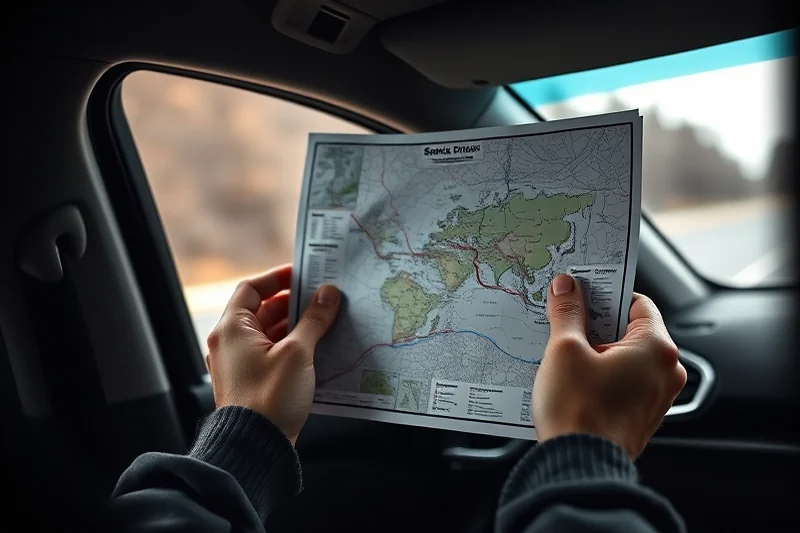
I used to think that more gear meant a better trip, but after a few disastrous experiences, I realized that less is more. A car that’s too full can be difficult to navigate, and it’s easy to lose track of things. I now use a system where each person has their own small backpack that they keep with them, and the main bag is used for shared items.
Investing in a good vacuum-sealed bag for your clothes can save space and keep your gear organized. I once had a full-size suitcase in the trunk that was completely useless — until I opened it and found it full of folded clothes that had taken up more space than necessary.
I also avoid bringing anything that’s not absolutely necessary. For example, I’ve cut out multiple suitcases for a trip and instead use a single duffel bag with modular compartments. It’s not just easier to carry, but it also makes it easier to find things when you need them.
Less gear, more freedom.
Related: Scenic drives packing gear examples
Weather-Ready Packing: Don’t Be Caught Off Guard
I once planned a scenic drive in the Pacific Northwest without considering the rain. The result was a soaked car and a miserable day on the road. Since then, I always pack a rain poncho, a lightweight waterproof jacket, and a dry bag for my gear.
Layering is key. I always wear a moisture-wicking base layer, a light fleece, and a waterproof shell. I’ve found that having a dry bag for my clothes keeps everything safe and dry in case of sudden rain. I’ve also made it a habit to bring a small towel and a change of clothes — just in case.
In colder climates, a good-quality down jacket can make all the difference. I’ve had trips where I’ve needed to layer up to 10 times, and it’s not uncommon to pack a thermal blanket for the car as well. You never want to be the one shivering while others are enjoying the view.[1]
Even if you’re driving in a place that’s typically warm, bring a light jacket or a sweatshirt. Weather can be unpredictable, and being prepared is always better than being caught off guard.
“There's something magical about the first time you drive through a landscape that feels like a postcard — rolling hills, golden sunsets, and the faint…”— Prettyroads editors
Related: Scenic drives packing gear printable
Navigation and Safety: Don’t Get Lost on the Road
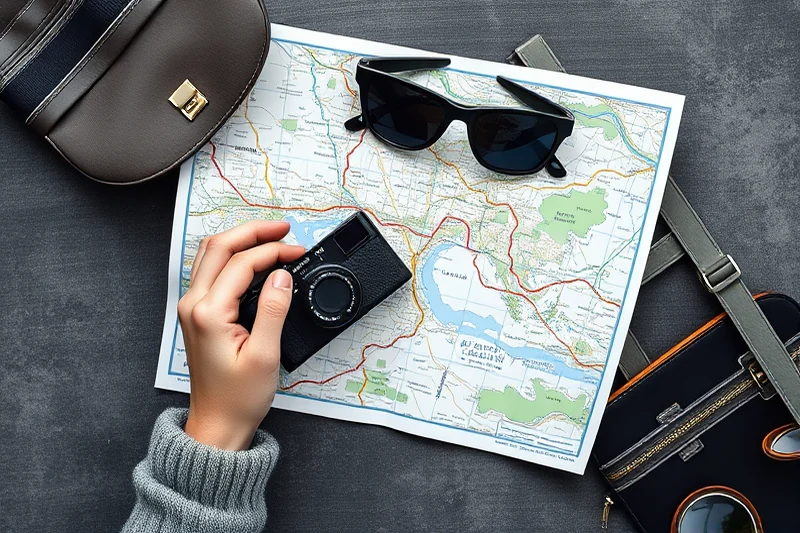
I once got lost on a remote mountain road because my phone had no signal. It was a terrifying experience, and it taught me the importance of having a physical map and a backup GPS device. Now, I always pack a paper map of the area and a portable GPS unit that doesn’t rely on cell service.
I’ve also learned the importance of having a first-aid kit, a flashlight, and a whistle in my car. These items can be lifesavers in an emergency. I’ve even had to use my whistle to signal for help on a remote road when I was stranded with a flat tire.
I always make sure my car has a full tank of gas and a spare tire, just in case. I’ve had to change a tire in the middle of nowhere, and it’s a stressful but necessary part of the journey. Always be prepared for the unexpected.
Related: Scenic drives packing gear step by step
Making the Most of Your Scenic Drive: Enjoy the Journey
I’ve found that the best scenic drives are the ones where you take time to stop, take photos, and savor the moment. I always pack a small camera and a few extra batteries. I’ve taken some of my best photos on the road, and they’re memories I’ll never forget.
I also love to pack a journal and a pen. I write down my thoughts and reflections, and it’s a great way to process the experience. I’ve found that writing in the middle of a beautiful landscape can be incredibly inspiring.
I’ve also made it a point to bring a small picnic basket with sandwiches, fruit, and a thermos. I’ve had some of my most memorable meals in the most scenic spots, and it’s a way to connect with the environment in a meaningful way.
💰 Budget Scenic Drive
Explore breathtaking landscapes without breaking the bank. Stay in hostels, use public transportation, and take advantage of free attractions.
🚗 Long Weekend Scenic Drive
Embark on a three-day adventure, hitting key stops along the way with enough time to relax and enjoy the journey.
👨👩👧👦 Scenic Drive With Kids
Tailor your packing list to include activities for children, snacks, and entertainment to keep them happy and engaged.
❄️ Off-Season Scenic Drive
Experience the beauty of the landscape when it's less crowded and more affordable, with fewer crowds and lower prices.
💎 Luxury Scenic Drive
Indulge in a high-end experience with top-tier gear, luxury accommodations, and personalized services for an unforgettable journey.
| The mistake | Why it happens | The fix |
|---|---|---|
| Packing too many items in the car. | Too much gear can make your car uncomfortable and reduce your ability to enjoy the drive. | Use modular backpacks and compartmentalized storage to keep your gear organized and manageable. |
| Not preparing for the weather. | Sudden changes in weather can leave you unprepared, which can be dangerous and uncomfortable. | Pack a waterproof jacket, a rain poncho, and a dry bag for your gear to keep everything safe and dry. |
| Not having a backup navigation system. | A dead phone or no cell service can leave you stranded on a remote road. | Always carry a paper map and a portable GPS unit that doesn’t rely on cell service. |
| Ignoring safety essentials. | Failing to pack a first-aid kit, flashlight, or whistle can leave you unprepared in an emergency. | Always have a first-aid kit, flashlight, and whistle in your car, along with a spare tire and full tank of gas. |
Related: Scenic drives packing gear on a budget
Scenic Drives Packing Gear For Beginners
Related: Scenic drives packing gear for small spaces
Common Questions
What should I pack for a scenic drive in the mountains?
How can I stay safe on a remote scenic drive?
What are the best times of year to take a scenic drive?
How do I keep my car organized on a scenic drive?
References
- Planning for a Multiday Float on the John Day River (blm.gov)
- Baxter Day Hiking | Bowdoin College (bowdoin.edu)
- Redwood Camping Participant Packet (Humboldt SP) (campusrecreation.ucdavis.edu)
- Winter Break - Big Bend | Adventure WV - West Virginia University (adventurewv.wvu.edu)
Cite this guide
Prettyroads (2026). Scenic Drives Packing Gear For Beginners. https://prettyroads.com/scenic-drives-packing-gear-for-beginners/
Feel free to cite or share this guide.