
Scenic Drives Packing Gear That Actually Work
📖 Table of Contents
There’s a moment on every scenic drive when the road ahead seems to shimmer in the sunlight, and you realize you’re not just traveling — you’re living a story. I remember one such moment on a winding coastal route in Big Sur, where the wind was so strong it tugged at the corners of my jacket. The only thing I had with me was a water bottle that had long since run out. It was a reminder that packing for a scenic drive isn’t about filling your suitcase with everything you can think of — it’s about choosing the right tools for the journey. That’s where the real magic happens.[2]
I’ve learned that the best scenic drives are the ones where your gear doesn’t weigh you down but lifts your experience. A few years ago, I packed a bulky, heavy camera bag for a mountain road trip, only to find myself struggling to carry it up steep trails. It was a lesson I’ll never forget — packing smart can mean the difference between a glorious adventure and a frustrating day with too much gear and not enough fun.[3]
In the years since, I’ve refined my approach to packing for scenic drives, testing out everything from lightweight backpacks to reusable water bottles that actually keep your hands dry. The truth is, the right gear doesn’t just make the journey easier — it makes it unforgettable. That’s why I’m sharing the essentials that have worked for me, and I’m betting they’ll work for you, too.[4]
Why You'll Love This Scenic Drives Packing Gear That Actually Work
- Lightweight, durable gear that doesn’t compromise comfort
- Tools that help you stay hydrated, safe, and connected in remote areas
- Smart storage solutions that keep your essentials accessible
- Gear that’s been tested and proven on real scenic drives
What to Pack for a Scenic Drive — and Why It Matters
As of October 2026, I’ve made the mistake of packing too much before, only to find myself lugging around unnecessary items. The key is to be selective — think about the activities you’ll do and the environment you’ll be in. For example, a lightweight rain jacket can save you from being caught off guard during a sudden downpour on a mountain road.
I recently packed a compact first aid kit for a road trip through the Rockies, and it was a lifesaver when my friend got a minor cut on a rocky trail. It’s a small investment that can make a big difference in your safety and peace of mind.
You should also consider how much space you have. A rolling bag or a backpack with multiple compartments can help you organize your gear more efficiently. I’ve found that packing essentials in clear, labeled containers helps me find what I need quickly, without rummaging through a mess.
If you’re driving through the desert, pack sun protection and a wide-brimmed hat. For mountain roads, bring a rain jacket and layers. Tailor your gear to the environment for the best experience.
Part of our Scenic drives packing gear guide.
Staying Hydrated on the Road — It’s More Than Just Water
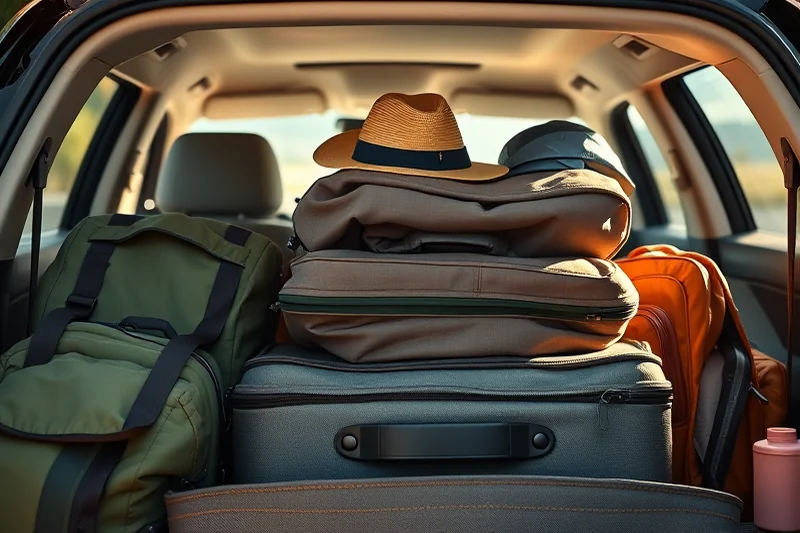
I’ve learned that just bringing a water bottle isn’t enough — especially on long drives through the desert or high mountain passes. That’s why I now carry a collapsible water bottle and a reusable hydration pack. I’ve found that the hydration packs with a built-in reservoir are ideal for keeping water accessible without taking up too much space.
On a recent trip through the Grand Canyon, I used a hydration pack that allowed me to drink water without stopping the car. It was a small but incredibly helpful tool that kept me from constantly making stops to refill.
In addition to water, I carry electrolyte tablets in my backpack. They’re a quick and easy way to replenish minerals and prevent dehydration, especially if I’m driving through hot, dry regions.
Stay hydrated — it’s the most basic and important part of any scenic drive.
Related: Scenic drives packing gear step by step
The Power of a Good Backpack for Scenic Drives
I’ve tested a variety of backpacks for scenic drives and found that the ones with multiple compartments and a comfortable fit are the best. One of my favorites is a backpack with padded shoulder straps and a breathable back panel. It’s especially useful for carrying essentials like a first aid kit, a water bottle, and a phone.
I once took a road trip through the Pacific Northwest, and my backpack came in handy for carrying hiking gear for day trips. It had a dedicated compartment for my camera and a waterproof sleeve for my phone — both of which were critical when I was caught in a sudden rainstorm.
Look for a backpack that’s lightweight and durable. I’ve found that a backpack made from a water-resistant material is ideal for protecting your gear in unpredictable weather conditions. It’s a small investment that can make a big difference in your comfort and safety.
Look for backpacks with a hydration bladder, pockets for small items, and a rain cover. These features can make your journey more comfortable and organized.
“There’s a moment on every scenic drive when the road ahead seems to shimmer in the sunlight, and you realize you’re not just traveling —…”— Prettyroads editors
Related: Scenic drives packing gear on a budget
Staying Connected on the Road — A Must for Scenic Drives
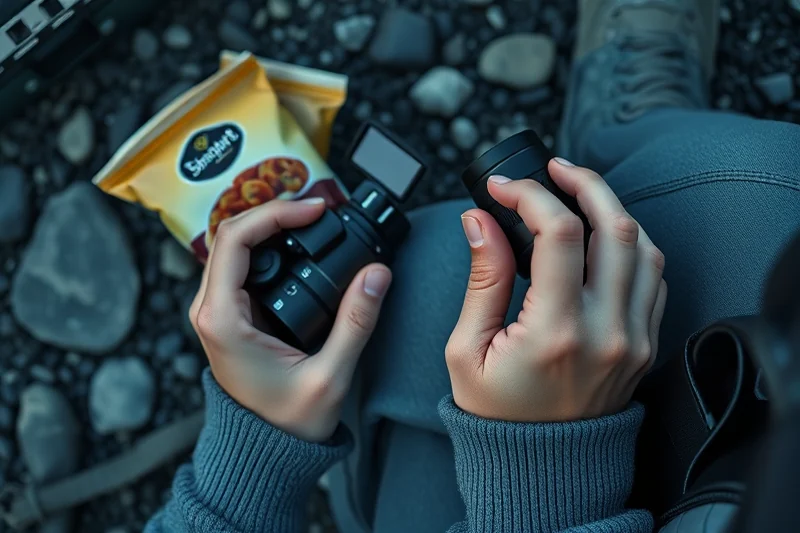
I’ve learned that having a reliable phone charger and a portable power bank can be a lifesaver. On a recent trip through the mountains, my phone died during a sudden thunderstorm, and I had to rely on my power bank to get back on track. It was a stressful moment, but I was grateful I had it with me.
I always carry a portable power bank with at least 10,000 mAh of battery. It’s enough to fully charge my phone a couple of times, which is essential if I’m driving through areas with spotty cellular service.[1]
In addition to a power bank, I also carry a satellite GPS device. It’s a small but incredibly useful tool that can help you navigate if your phone loses signal. I’ve found that it’s especially helpful in remote areas where cell service is limited.
Related: Scenic drives packing gear for small spaces
The Importance of Layering on Scenic Drives
I’ve learned that the best way to stay comfortable on a scenic drive is to layer your clothing. For example, I always bring a lightweight fleece or a jacket that can be worn over a T-shirt. It’s a simple but effective way to stay warm if the temperature drops suddenly.
On a recent trip through the mountains, I packed a thermal base layer that kept me warm even when the temperature dropped to below freezing. It was a crucial piece of gear that I didn’t want to be without.
Layering also helps with versatility. I can wear a long-sleeve shirt over a short-sleeve shirt if the weather changes. This strategy has saved me from being too cold or too hot on multiple occasions.
💰 Budget Adventure
Travel on a shoestring with essentials like a reusable water bottle and a compact backpack.
🚗 Long Weekend Getaway
Pack for a quick but fulfilling trip with lightweight gear and a flexible itinerary.
👨👩👧👦 With Kids
Bring child-friendly items like snack packs and entertainment for the road.
🍂 Off-Season Travel
Pack for cooler temperatures with layers and rain gear for unexpected weather.
💎 Luxury Road Trip
Indulge in premium gear like a high-end hydration pack and a designer backpack.
| The mistake | Why it happens | The fix |
|---|---|---|
| Packing too much gear | Too much gear can be cumbersome and make your journey less enjoyable. | Be selective about what you pack. Focus on essentials like a water bottle, a first aid kit, and a portable power bank. |
| Not bringing enough water | Dehydration can quickly become a problem, especially on long drives in hot or dry areas. | Bring a collapsible water bottle and a reusable hydration pack. Consider packing electrolyte tablets for added hydration. |
| Ignoring the weather | Weather can change rapidly on scenic drives, and being unprepared can lead to discomfort and safety issues. | Check the weather forecast before your trip and pack appropriate gear, such as a rain jacket or layers for cooler temperatures. |
| Not having a backup power source | A dead phone can be a major issue, especially in remote areas with spotty cellular service. | Pack a portable power bank with at least 10,000 mAh of battery. It’s a small but essential tool that can keep you connected. |
Related: Budget scenic drives packing gear
Scenic Drives Packing Gear That Actually Work
Related: Scenic drives packing checklist
The Magic of a Portable Power Bank for Scenic Drives
A portable power bank can be a game-changer on long scenic drives, keeping your devices charged and your peace of mind intact.
I’ve spent countless hours driving through the Pacific Coast Highway, and there’s nothing worse than realizing your phone is about to die just as the sun dips below the horizon. A high-capacity power bank, like the Anker PowerCore 20000, has saved me more than once, allowing me to capture the perfect sunset without missing a beat. It’s also handy for keeping GPS apps running, especially in areas with spotty signals. I always pack mine in my daypack, right next to my phone, so it’s never more than a few seconds away from my devices.
I’ve tested a few different power banks, and the ones with fast-charging capabilities and multiple ports make a huge difference. One of my favorites can charge my phone to 50% in just 30 minutes, which is a lifesaver when I need to take a quick photo stop or navigate a tricky stretch of road. It’s also important to choose one with a built-in battery indicator so you know how much power you have left. I’ve learned the hard way that assuming your power bank has enough juice can lead to some very frustrating moments.
When I’m driving with friends or family, I bring a power bank that can charge multiple devices at once. This way, everyone can keep their phones charged for navigation, photography, or just staying connected. It’s also a great idea to carry a car charger in your glovebox, just in case your power bank runs out. I’ve found that having multiple power solutions on hand gives you more flexibility and peace of mind, especially when you’re far from any city or service station.
Common Questions
What’s the best way to stay hydrated during a long scenic drive?
What should I pack in my backpack for a scenic drive?
What’s the best backpack for a scenic drive?
How can I stay connected on a scenic drive?
References
- Mount Whitney Winter Packing List - Caltech Alpine Club (alpine.caltech.edu)
- Humans of the U: Amy Locke - @theU (attheu.utah.edu)
- Planning your visit to Red Rock Canyon National Conservation Area (blm.gov)
- Packing for Your First Fall - Dartmouth Admissions (admissions.dartmouth.edu)
Cite this guide
Prettyroads (2026). Scenic Drives Packing Gear That Actually Work. https://prettyroads.com/scenic-drives-packing-gear-that-actually-work/
Feel free to cite or share this guide.