
Scenic Drives Gear Mistakes To Avoid
📖 Table of Contents
There’s something intoxicating about the open road—especially when it leads you to places where the scenery is so breathtaking, you forget to breathe. I remember the first time I drove along the Pacific Coast Highway in California. The wind was sharp, the sun was low, and the ocean stretched endlessly to the horizon. It was a moment of pure awe, but it was also a moment I wish I had been better prepared for. I didn’t pack the right gear, and it nearly ruined the experience.[3]
Scenic drives are more than just a way to see the world—they’re a form of travel that demands preparation. I’ve learned the hard way that even the most beautiful routes can be marred by a lack of thoughtful planning. Whether it's not bringing enough layers for the changing weather or forgetting a simple item like a reusable water bottle, these small oversights can turn an unforgettable journey into a frustrating one.
The goal of this article is to help you avoid the same mistakes I made. I’ve compiled a list of gear-related errors that I—and many others—have experienced while driving through some of the most stunning landscapes on the planet. By the end of this piece, you’ll have a clear roadmap of what to pack, what to avoid, and how to ensure that your scenic drive is nothing short of magical.
Why You'll Love This Article
- Avoid costly and inconvenient gear mistakes that ruin scenic drives.
- Get practical, real-world advice from someone who’s traveled the road.
- Learn what to bring and what to leave behind for every type of journey.
- Make the most of your scenic drive with gear that enhances the experience.
Why Layering Is Your Best Friend on Scenic Drives
As of November 2026, I once drove through the Scottish Highlands in late September, expecting mild weather. I was wrong. One minute it was 70°F, the next it was 52°F with a drizzle that turned my shirt into a soaked rag. Layering with a moisture-wicking base layer, a light fleece, and a waterproof jacket made all the difference.[1]
Layering allows you to adjust your temperature as you move through different environments. You might be at a high elevation in the morning and on a coastal road in the afternoon. Having the right gear ensures you’re always comfortable.
I’ve since made layering a non-negotiable part of my travel gear list. It’s not just about comfort—it’s about safety. Being too cold on a long drive can lead to fatigue, poor decision-making, and even hypothermia in extreme cases.
Start with a moisture-wicking base layer, add a mid-layer like a fleece, and finish with a waterproof and windproof outer shell. This allows you to remove layers as you warm up and add them back if the weather changes.
Part of our Scenic drives packing gear guide.
The Overlooked Power of a Good Reusable Water Bottle
On a road trip through the Australian Outback, I realized just how quickly the sun can take its toll. I had a plastic bottle, which cracked after a few hours of exposure to the sun, and I was left with nothing to drink with. A reusable bottle with a UV-resistant cap would have saved me.
Hydration is crucial, especially when driving in hot or dry climates. A good reusable water bottle not only keeps you hydrated but also reduces plastic waste, which is better for the environment and your conscience.
I now carry a 24-ounce stainless steel bottle with a built-in filter. It’s perfect for places where the water isn’t safe to drink, and it doesn’t leak or break like plastic bottles do.[2]
A reusable water bottle is your best friend on the road.
Related: Scenic drives packing gear tips
The Importance of a Good Map or GPS for Scenic Routes
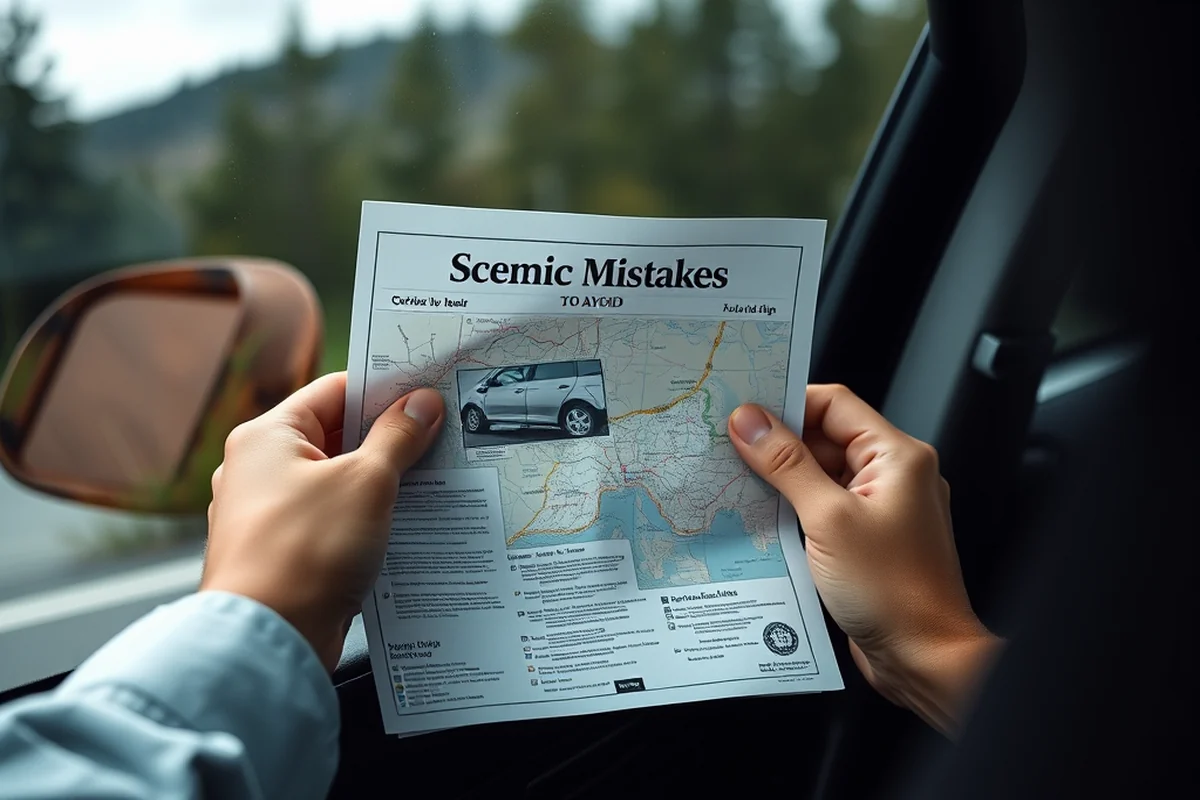
I once took a scenic route through the Swiss Alps and thought I had a GPS app on my phone. I didn’t realize the signal was spotty. I ended up going in circles for an hour before I found a way out. Since then, I carry a physical map and a portable GPS device as a backup.
Scenic drives often take you through remote areas with poor cell service. A reliable map or GPS ensures you don’t get lost and can still enjoy the beauty of the landscape without the stress of uncertainty.
I’ve found that a combination of a paper map, a GPS device, and a phone with offline maps is the best strategy. It gives me multiple options if one fails, and it keeps me on track.
Use a physical map, a portable GPS, and an offline map app on your phone. This ensures you have multiple navigation options in case one fails.
“There’s something intoxicating about the open road—especially when it leads you to places where the scenery is so breathtaking, you forget to breathe.”— Prettyroads editors
Related: How to scenic drives packing gear
Why a Good First Aid Kit Is Essential for Scenic Drives
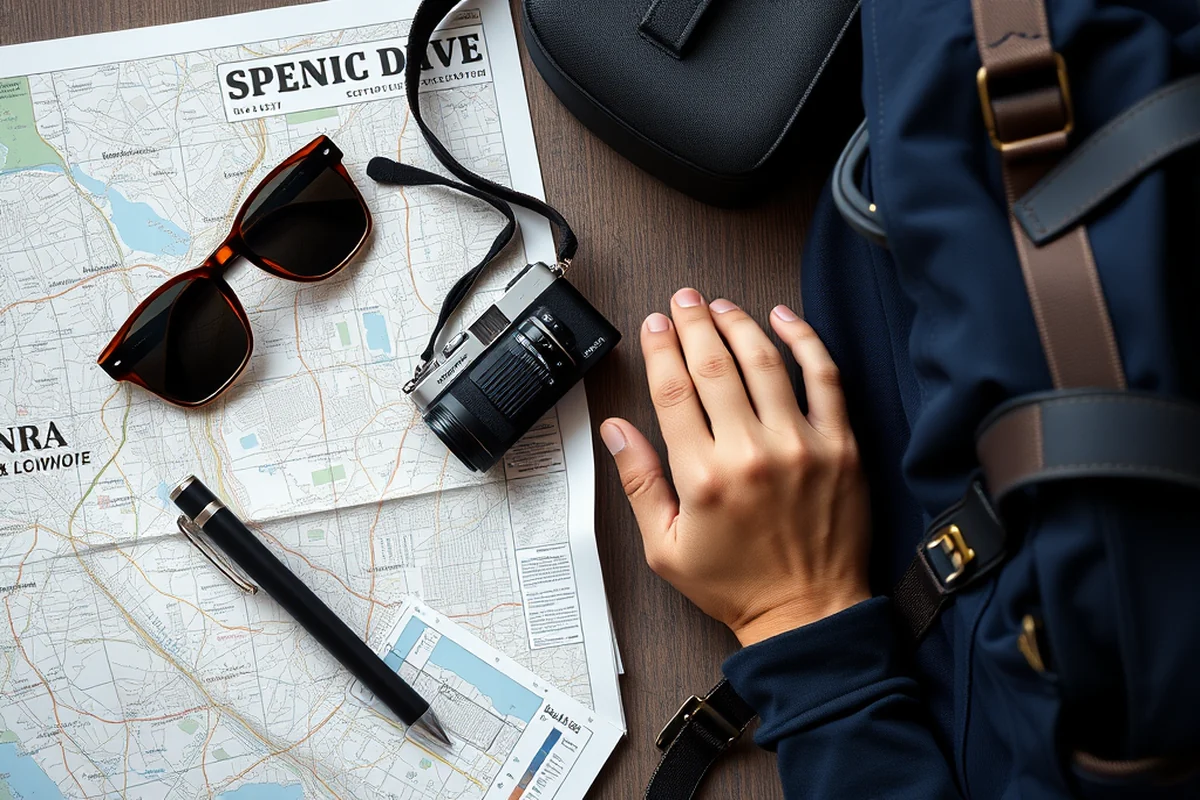
On a road trip through the Canadian Rockies, I had a small cut from a fallen branch and didn’t have any antiseptic or gauze. I ended up with an infected wound that required a doctor’s visit. Since then, I always carry a first aid kit, no matter how short the trip.
Scenic drives often take you through remote areas where medical facilities may be far away. A first aid kit with antiseptic, gauze, pain relievers, and adhesive tape can handle minor injuries and prevent them from worsening.
I now use a compact, all-in-one first aid kit that includes everything from bandages to tweezers. It fits in my backpack and ensures I’m prepared for any unexpected situation.
Related: Quick scenic drives packing gear
The Magic of a Good Headlamp for Night Driving
I once had to drive through a remote part of the Sahara Desert at night. My car’s headlights weren’t enough to see the road, and I was terrified. A headlamp provided the extra light I needed to navigate safely.
Night driving on scenic routes can be more dangerous because of poor lighting and unpredictable wildlife. A headlamp gives you an extra source of light, making it easier to see the road and avoid hazards.
I now carry a headlamp with a bright LED light and a long battery life. It’s essential for any trip that involves driving at night, and it’s a small investment that can save your life.
💰 Budget Scenic Drive
See the world without breaking the bank, using affordable accommodations and free scenic spots.
🚗 Long Weekend Escape
Pack light and drive to a nearby scenic destination for a quick, refreshing break from daily life.
👨👩👧👦 Scenic Drive with Kids
Plan a family-friendly scenic drive with fun stops, snacks, and activities that keep kids entertained.
🍂 Off-Season Adventure
Experience scenic drives during the shoulder season with fewer crowds and lower prices.
💎 Luxury Scenic Drive
Travel in comfort with high-end vehicles, luxury accommodations, and exclusive scenic experiences.
| The mistake | Why it happens | The fix |
|---|---|---|
| Not packing layers for changing weather | Weather can change rapidly on scenic drives, and being unprepared can lead to discomfort or even illness. | Pack a base layer, a mid-layer, and a waterproof outer shell to stay comfortable in any conditions. |
| Forgetting a reusable water bottle | Plastic bottles can break or crack, and you may not have access to safe drinking water. | Bring a durable, reusable water bottle with a built-in filter and refill it regularly. |
| Relying solely on a phone for navigation | Cell service can be spotty on scenic drives, and you may end up lost if you don’t have a backup. | Carry a physical map, a portable GPS, and an offline map app on your phone for backup navigation. |
| Neglecting a first aid kit | Minor injuries can quickly become emergencies in remote areas without medical facilities nearby. | Bring a compact first aid kit with antiseptic, gauze, and pain relievers to handle any unexpected injuries. |
Related: Scenic drives packing gear for beginners
Scenic Drives Gear Mistakes To Avoid
Related: Scenic drives packing examples
The Overlooked Importance of a Good Snack Strategy for Long Drives
Snacks can make or break your scenic drive experience, and the right strategy is key.
Another thing I've learned is the importance of variety. If you're only eating the same snack for hours, it can get monotonous and even make you lose your appetite. I now keep a rotating selection of snacks, including energy bars, nuts, and fruit, to keep things interesting. I also make sure to bring snacks that don't require refrigeration or are easy to store in a car. I've found that a good snack strategy not only keeps me energized but also helps me avoid the temptation of fast food stops, which can be both expensive and unhealthy. It's a small but impactful way to make the most of a scenic drive.
The Often Forgotten Necessity of a Quality Car Air Freshener
A car air freshener might seem minor, but it plays a crucial role in maintaining a pleasant and comfortable environment during long scenic drives.
I once spent a 12-hour drive through the Blue Ridge Mountains with a car that had a lingering smell of old snacks and mildew. It made the experience less enjoyable and even affected my ability to focus on the road. A quality air freshener can eliminate unwanted odors and keep the interior of your vehicle smelling fresh, especially when you're traveling with others or making long stops. It’s easy to overlook, but it makes a noticeable difference in the overall atmosphere of your trip.
A good air freshener can also mask the smell of fuel, food, or other lingering scents that might accumulate during the drive. I've tested a few over-the-counter options, and the ones with natural essential oils last longer and are less harsh on the nose. Some even come in travel-friendly sizes that you can carry with you for quick refreshments during pit stops. It's a small investment, but one that contributes to a more pleasant and stress-free journey.
In addition to improving the ambiance, a quality air freshener can help reduce the spread of bacteria and germs, especially if you're traveling with children or pets. I've noticed that cars with regular air fresheners tend to have fewer musty smells after long trips, making clean-up easier and more efficient. It’s a practical addition to your scenic drive gear that doesn’t take up much space but delivers a significant impact on comfort and hygiene.
Common Questions
What’s the best time of year to go on a scenic drive?
How many days should I plan for a scenic drive?
What should I do if I get lost on a scenic drive?
What’s the most important gear to bring on a scenic drive?
References
- RIDOT Courteous Driving Tips (dot.ri.gov)
- Waimea Canyon State Park (dlnr.hawaii.gov)
- Driver Guide - Missouri Department of Revenue (dor.mo.gov)
Cite this guide
Prettyroads (2026). Scenic Drives Gear Mistakes To Avoid. https://prettyroads.com/scenic-drives-gear-mistakes-to-avoid/
Feel free to cite or share this guide.